Japan's yuzu fruit taps Malaysia's halal market
KUALA LUMPUR: Japan’s yuzu, prized for its distinctive fragrance and citrusy tang, is emerging as a potential addition to Malaysia’s halal market, with producers from Kochi Prefecture eyeing new export opportunities.
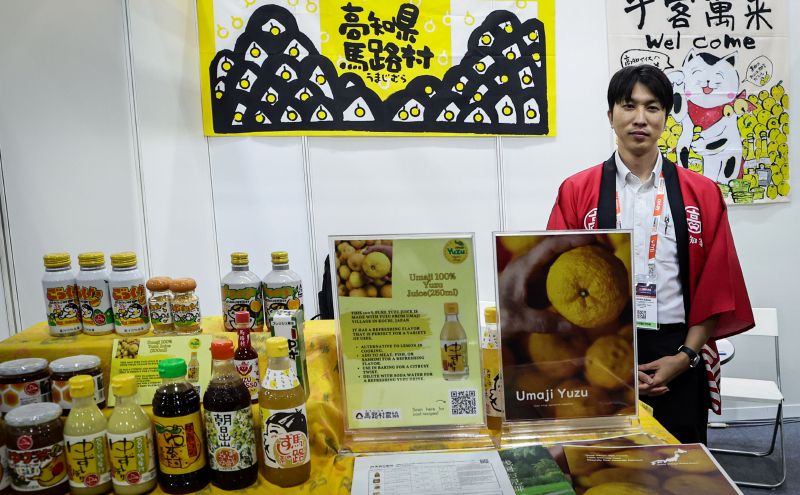
KUALA LUMPUR: Japan's yuzu fruit, known for its unique scent and citrus flavor, is gaining traction in Malaysia's halal market, with Kochi Prefecture producers exploring new export avenues. Akihisa Ikeda, Director of the Kochi Representative Office in Singapore, highlighted the participation of Kochi Prefecture at the Malaysia International Halal Showcase (MIHAS 2026) under the Japan Pavilion.
This was the inaugural appearance for the prefecture in MIHAS, aiming to capitalize on the burgeoning demand for halal food. Two Kochi-based companies, Kochi Ice Co Ltd and Umaji Village Agricultural Cooperative, exhibited their yuzu-infused products at the event. Yuzu-based products, already popular in several Southeast Asian nations, hold untapped potential in Malaysia.
Frozen desserts and yuzu-infused drinks from Kochi Prefecture are already available in Japanese restaurants and cafes in Singapore and Thailand, respectively. Umaji Village Agricultural Cooperative's yuzu jam and drink are also on retail shelves in Malaysia, all bearing halal certification. Although these yuzu products from Japan are relatively new to the Malaysian market, in Europe, particularly France, yuzu seasoning and condiments are highly sought after by chefs for their flavor-enhancing properties.
Kochi Prefecture, a leading yuzu producer in Japan, is actively expanding its export reach to Europe, the United States, and now, Asia, with a particular focus on Malaysia and Singapore. The producers target consumers who appreciate the distinct qualities of Kochi's yuzu, cultivated in optimal mountainous conditions in the prefecture.
Despite rising costs, the producers emphasize maintaining the quality of their yuzu-based products as they seek to broaden their distribution channels in Malaysia, spurred by the favorable response to Japanese yuzu-based offerings.
Written by urgent.news from New Straits Times's reporting — not their text. Machine-written — may contain errors; check the original before relying on it.