Iraq’s dinar devaluation tests efforts to protect consumers from rising prices
Iraq’s decision to devalue its currency has exposed the competing interests of households and the state, as residents warn of rising living costs while economists argue the move could help protect public finances amid a sharp fall in oil revenue. The Central Bank of Iraq raised the official dollar selling rate from 1,320 to 1,520 dinars on October 7, a devaluation of about 15 per cent. The move…
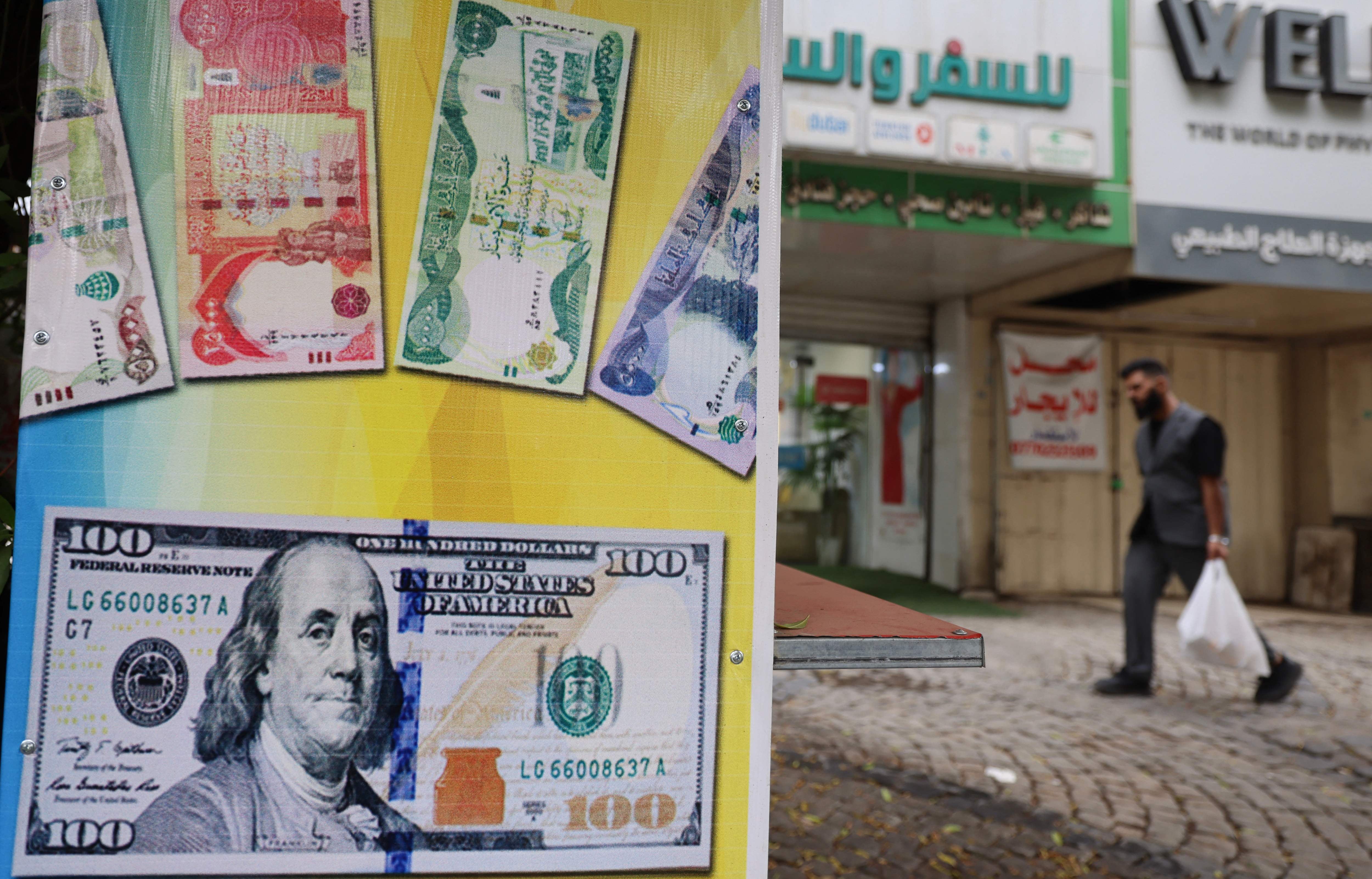
Iraq's decision to devalue its currency has highlighted the conflict between households and the state, with residents expressing concerns over rising living costs while economists argue that the move could safeguard public finances amid a significant drop in oil revenue. On October 7, the Central Bank of Iraq raised the official dollar selling rate from 1,320 to 1,520 dinars, a 15% decrease in value.
This move came as disruptions to oil exports through the Strait of Hormuz put additional strain on government revenue and its ability to fund public spending.
A market owner in Erbil lamented the dire situation, stating that prices have been climbing since the Iran war began in February, particularly due to increased transport costs as most goods come from Turkey and Iran. Iraq relies heavily on imports, including food, medicine, and consumer goods. For individuals paid in dinars, the weaker currency threatens to diminish purchasing power.
However, the impact is not uniform, as those earning in dollars may receive more dinars upon converting their salaries, while those with dollar-denominated expenses face a different scenario.
The exchange-rate change can directly affect tenants in Erbil, where rent is often set in dollars, especially for those paid in dinars and required to purchase dollars with their salaries. The disparity between the official rate and the parallel-market rate adds another layer of pressure on households. In Erbil, the parallel market rate for the dollar reached approximately 166,350 dinars per $100 this week, nearly nine percent higher than the official rate.
The exchange shops in the city quoted prices of up to 180,000 dinars per $100 following the devaluation announcement on October 7, which later declined but remained above the official figure.
The National visited various exchange shops in Erbil's Eskan neighborhood, but employees declined to comment on the fluctuating rates. While dollar-denominated rents are part of a broader pattern in Iraq, where the dollar plays a significant role in some property markets and business dealings, the majority of salaries and everyday purchases are still made in dinars.
Consequently, households face multiple challenges, with rent potentially becoming more expensive in dinars, and imported goods and services rising in price as businesses grapple with higher dollar costs.
The use of the US dollar for certain expenses while the majority of salaries remain in Iraqi dinars has been deemed "fundamentally wrong" by Ahmed Tabaqchali, a non-resident senior fellow at the Atlantic Council. Those paid in dollars may benefit from converting their income into more dinars to cover expenses, but this advantage is less clear for individuals who also pay rent or other bills in dollars, as those costs do not decrease merely due to the exchange rate change.
Ahmad Abbas, who earns income in dollars, acknowledged that his situation is precarious. His rent and bills are in Iraqi dinars, and while he expected prices to rise following the war earlier this year, they have escalated even further. He cited an example of buying the same detergent for 20,000 Iraqi dinars, up from 9,000 dinars previously.
The devaluation has sparked criticism from residents and political factions, with lawmakers seeking explanations from the government and proposing measures to curb price increases. Others contend that the adjustment was necessary to enable Baghdad to meet its financial obligations, despite the apparent impact on households.
Written by urgent.news from The National UAE's reporting — not their text. Machine-written — may contain errors; check the original before relying on it.
This story
This is one outlet's version. Read the fullest account.
- Iraq’s dinar devaluation tests efforts to protect consumers from rising prices thenationalnews.com