How Bengal’s Durga Puja came full circle: From private patronage to public celebration and back
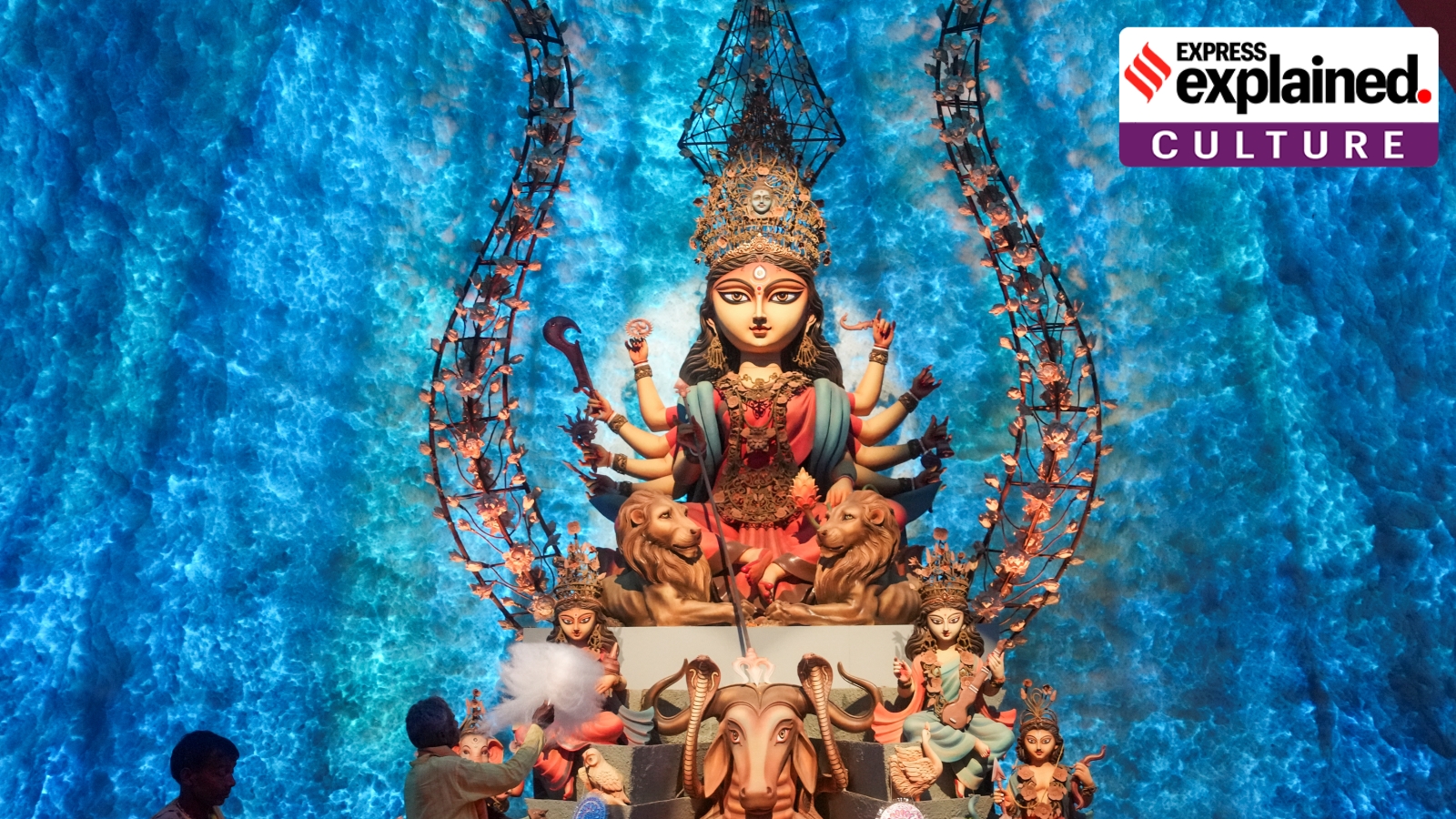
Durga Puja, a significant cultural event in West Bengal, has undergone a remarkable transformation over centuries. Initially a private ritual within zamindar estates and aristocratic families, it has evolved into a mass cultural phenomenon, generating an estimated Rs 50,000-65,000 crore in annual economic activity (roughly 2.5% to 3% of the gross state domestic product). This change has led to a shift back towards private patronage, with corporate funding playing an increasingly prominent role.
The festival's evolution began with aristocratic households funding the worship through agricultural surplus and trade wealth, with feasts, clothing donations to tenant farmers, and seasonal employment for traditional musicians, potters, and priests. By the late 18th century, a community-led, barowari puja tradition emerged, democratizing access to the festival. By the 1990s, economic liberalization led to a shift towards themed, conceptual public designs led by art college graduates and visual artists.
UNESCO recognized Durga Puja as a part of the Intangible Cultural Heritage list in 2021, highlighting its global significance. Today, the creative economy surrounding Durga Puja in West Bengal is valued at an estimated Rs 65,000 crore, with commercialization driving growth in retail, fashion, food and beverage services, event production, and corporate media advertising.
Written by urgent.news from The Indian Express's reporting — not their text. Machine-written — may contain errors; check the original before relying on it.