Hong Kong excels at medical research. So what is holding it back?
In the first of a four-part Health Matters wellness series on frontier medicine in Hong Kong, Elizabeth Cheung looks into how the city can turn world-class research into real-world treatments and what it needs to become a global biomedical innovation hub. Raymond Tong Kai-yu spent a decade overcoming challenges in cost and production to develop a device that could change lives: a robotic hand…
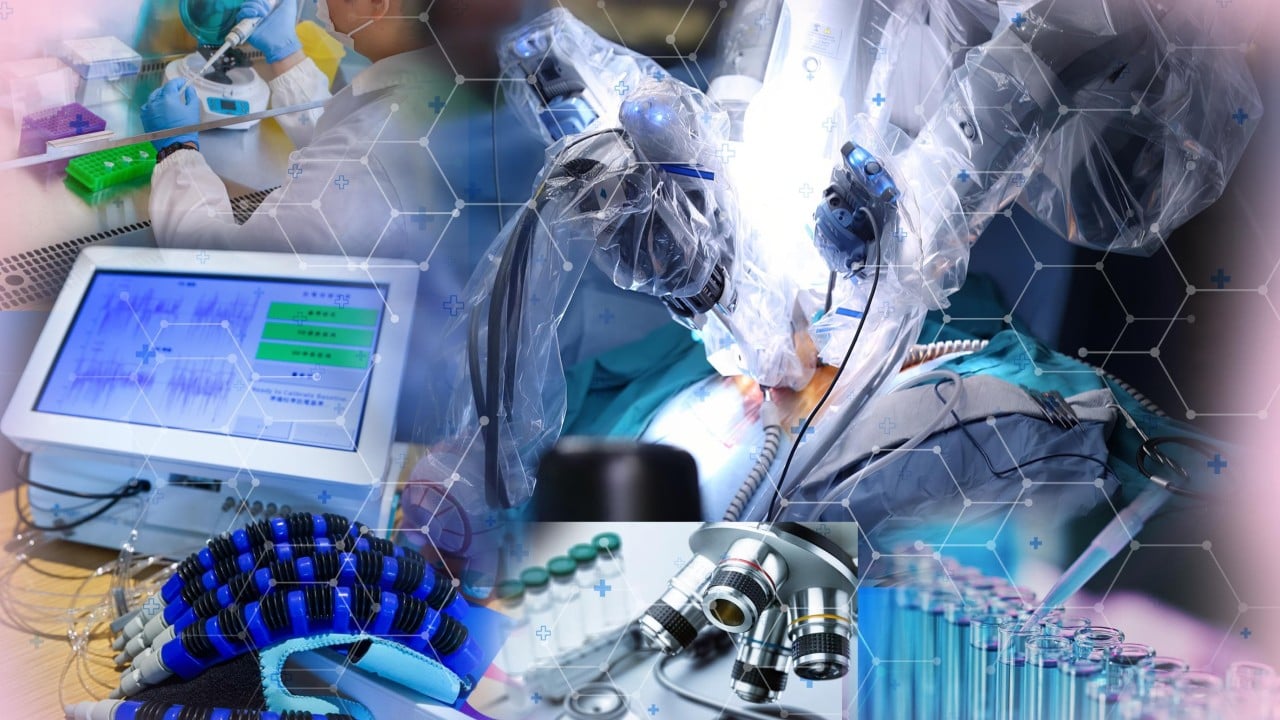
In a four-part Health Matters wellness series, Elizabeth Cheung explores how Hong Kong can transform world-class medical research into practical treatments and become a global biomedical innovation hub. Raymond Tong Kai-yu's decade-long journey to develop a robotic hand called "Hand of Hope" demonstrates the challenges faced in turning scientific research into real-life applications.
Despite being used in hospitals across 15 countries, the device's development required overcoming hurdles such as cost, manufacturing, regulatory approval, and market acceptance. Tong, a professor at the Chinese University of Hong Kong, attributes his success to moving production to mainland China, reducing costs, and redesigning the hand with lighter, elastic materials.
However, achieving market approval demanded years of collecting clinical data and securing regulatory certification.
Experts highlight Hong Kong's strong basic and clinical research capabilities, but a lack of industry support for funding and production. To become a true biomedical innovation hub, the city needs to invest more in early-stage research projects, expand research capacity, and attract talent by offering opportunities for overseas projects.
Tong's success story underscores the importance of industry support in translating groundbreaking research into market-ready products. The Hong Kong government has been actively working to attract more firms through initiatives such as the Office for Attracting Strategic Enterprises, which aims to create research and development jobs in the city.
If Hong Kong can foster a stronger ecosystem that combines academic researchers, start-ups, and industry backing, it could become an attractive destination for investors, leading to more successful biomedical innovations.
Written by urgent.news from South China Morning Post's reporting — not their text. Machine-written — may contain errors; check the original before relying on it.
This story
This is one outlet's version. Read the fullest account.