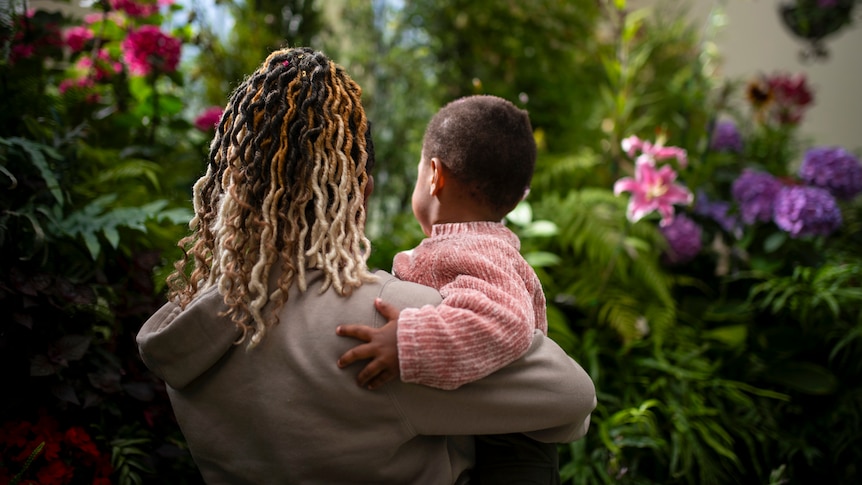
Helping snap brilliant photos of orchids all part of conservation work
As part of its conservation efforts in Tasmania, the Landscape Recovery Foundation is working with photographers to help them understand how to minimise their impact when photographing orchids, and is working with a scent detection dog to help map orchids growing in the wild.
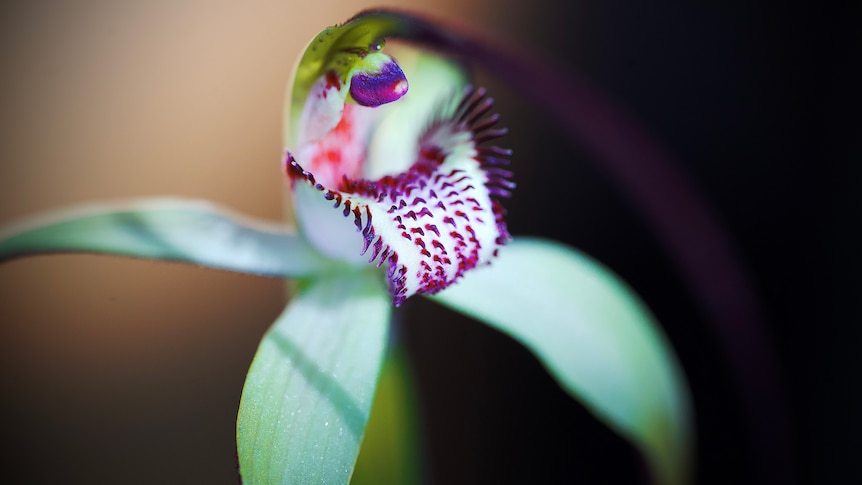
Native orchids are a popular subject for photographers and social media posts, making them a key focus for the Landscape Recovery Foundation as part of its conservation efforts. The foundation is helping photographers understand how to minimise their impact on the environment and is also working to propagate threatened orchid species.
Native orchids are extremely variable but also cryptic, requiring an understanding of the landscape and place to photograph them effectively. Of the 200+ orchid species recorded in Tasmania, 77 are listed as threatened under state legislation. The major threat to these orchids is the cumulative effect of multiple people visiting the same location, with social media playing a significant role in this.
To address this, the foundation recently held a workshop to educate photographers about the impact of their actions. Despite these risks, interest in native orchids can help conservation efforts, as understanding these unique plants is the first step in wanting to protect them. One species the foundation has had success propagating is the golfers leek orchid, and seedlings are being grown for planting in native grasslands.
The foundation is also collaborating with Canines for Wildlife, using a trained scent detection dog named Miki to locate orchids in Tasmania. The golfers leek orchid and Tunbridge leek orchid have been found with Miki's assistance, and future field survey work will involve additional scent detection dogs.
Written by urgent.news from ABC News AU's reporting — not their text. Machine-written — may contain errors; check the original before relying on it.