From the Opinions Editor: A hot and polluted autumn in Mumbai frames a new environmental challenge
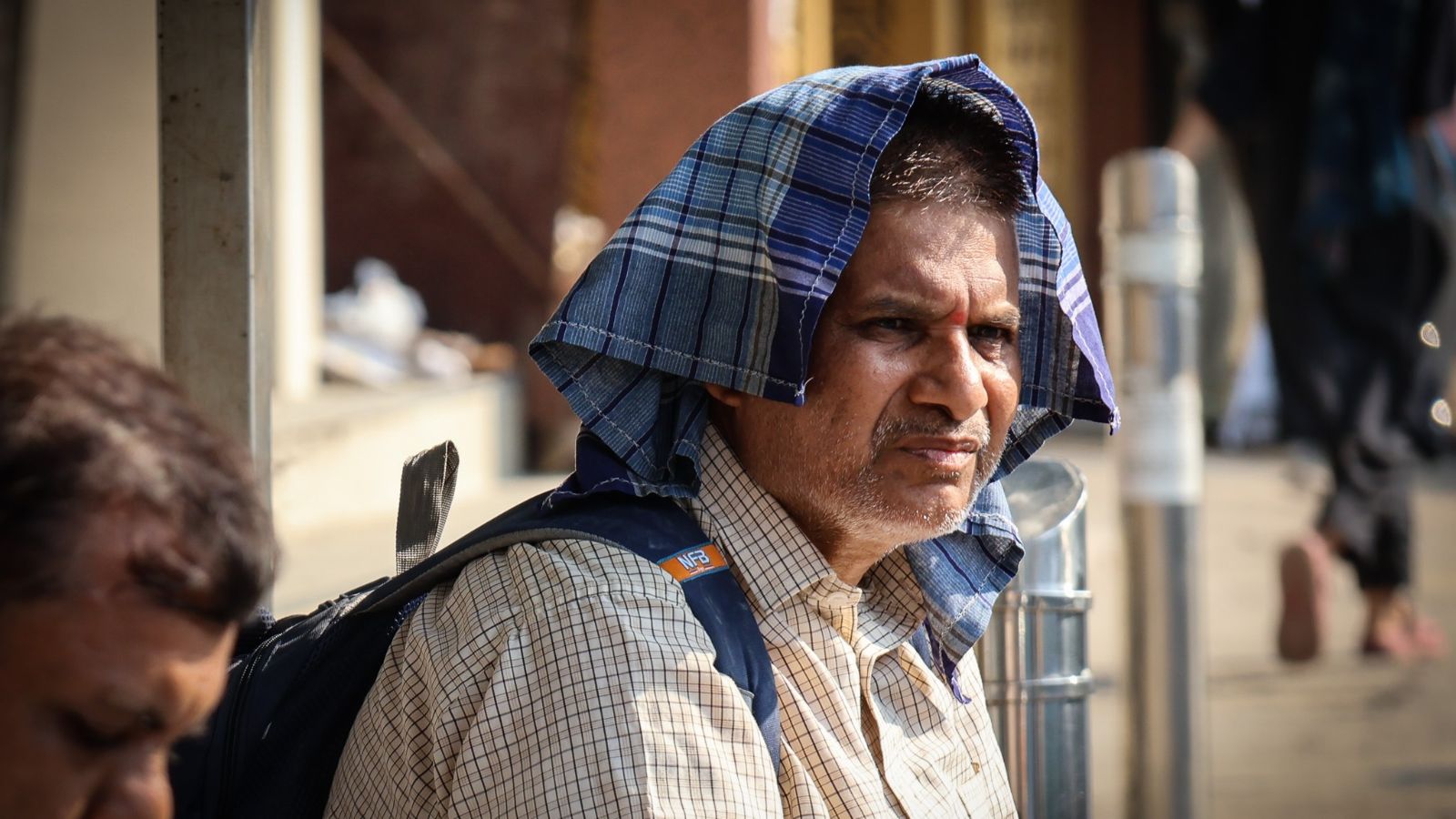
Mumbai, plagued by a rainfall-deficit monsoon, faced an unseasonal heatwave in October, with temperatures soaring to 38°C, surpassing the normal threshold by more than 5°C. The India Meteorological Department blamed the extreme conditions on an anticyclonic circulation and altered wind patterns, which prevented the city's natural cooling system, the sea breeze, from doing its job.
Residents endured the sweltering heat, coupled with high humidity and the urban heat-island effect, which traps heat in densely built neighborhoods with concrete buildings, asphalt roads, and dwindling green spaces. Furthermore, the weather exacerbated the city's already dire pollution situation. Weak winds and stagnant atmospheric conditions hindered the dispersal of pollutants, while the scorching temperatures and intense sunlight favored the formation of ground-level ozone.
The city's coastal climate, which usually offers some relief from extreme weather, is no longer a reliable safeguard against the deteriorating air quality. Fine particulate matter, especially PM2.5, can penetrate deep into the lungs and enter the bloodstream, leading to respiratory and cardiovascular diseases. Ground-level ozone damages the respiratory system, while extreme heat strains the heart and kidneys.
Vulnerable populations, such as outdoor workers, older individuals, children, and those living in poorly ventilated homes, face heightened risks from these dual hazards. The problem of heatwaves during winter is also on the rise, driven by climate change, as highlighted by research from the University of Chicago's Climate Impact Lab.
The Bombay High Court has expressed concerns about deteriorating air quality on multiple occasions this year, warning of the potential dire consequences of unchecked pollution during such episodes. While the city has taken steps to tackle pollution, the enforcement of regulations remains inconsistent, leaving much to be desired.
To address the issue, Mumbai needs to shift from reactive measures to sustained enforcement of construction-site dust controls, industrial and vehicular emissions, waste burning, and promote public transport. Expanding green cover, protecting mangroves and wetlands, preserving open spaces, and implementing cool roofs are essential, but they must go hand in hand with source-based pollution reduction.
Moreover, heat preparedness must be reevaluated, as autumn or even some days in winter can now resemble summer. Forecasting systems and public-health advisories must take into account humidity, warm nights, and prolonged heat exposure, while also alerting citizens to worsening air quality. This is particularly crucial for those most at risk.
Lastly, each city must tailor its heat action plan to its unique geographical and climatic circumstances.
Written by urgent.news from The Indian Express's reporting — not their text. Machine-written — may contain errors; check the original before relying on it.