Emilia-Romagna, la manifattura (29%) sopra la media italiana
La regione più industriale d’Italia non è al riparo dalla frenata dell’economia. In Emilia-Romagna la manifattura è un vantaggio competitivo, con il 29% del valore aggiunto, ben nove punti oltre...
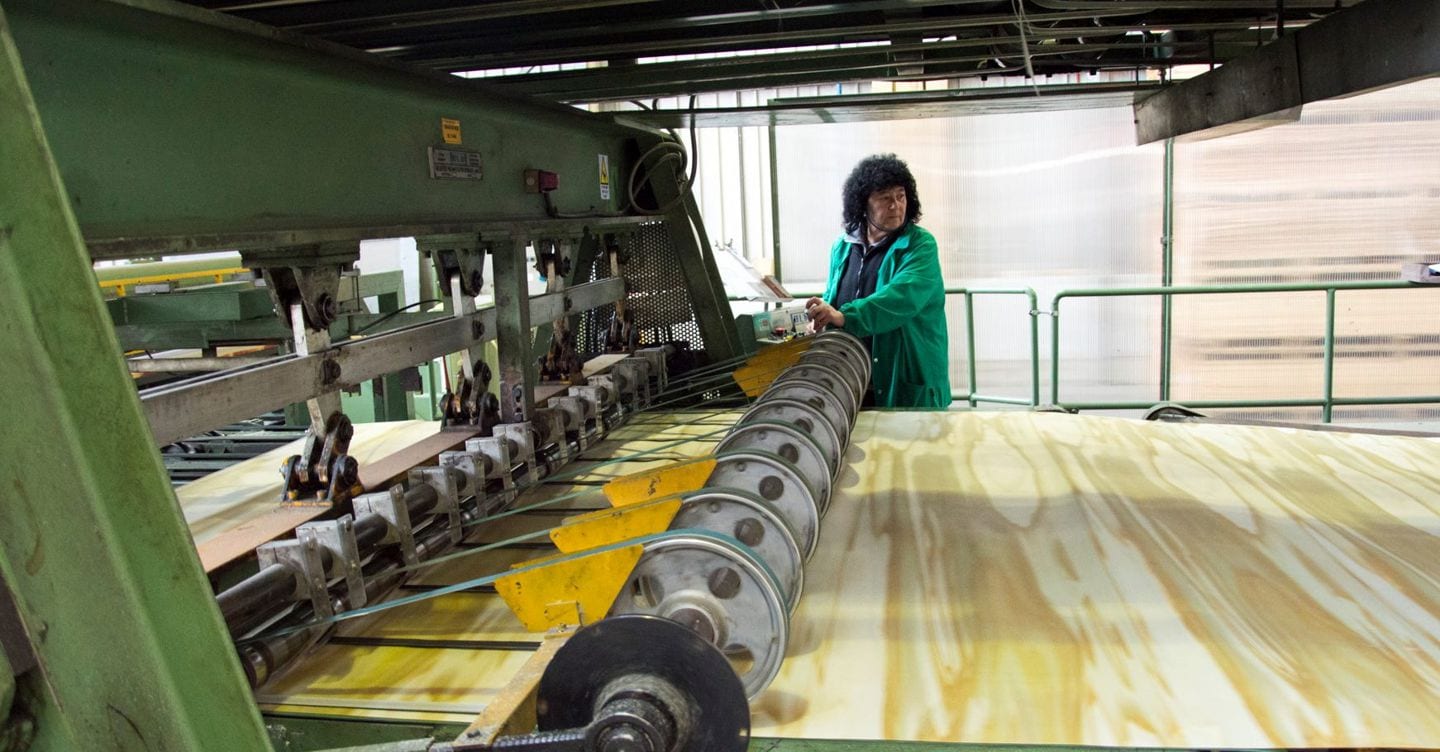
Emilia-Romagna, the most industrialized region in Italy, is not immune to the slowdown of the economy. The manufacturing sector stands out with a 29% share of added value, nine points above the national average and ahead of Veneto and Marche. Despite this, the regional GDP is forecast to grow only by 1% in both 2026 and 2027. This paradox, highlighted by an EY-Parthenon analysis presented recently in Reggio Emilia, reveals a productive machine capable of innovation and export, yet exposed to high energy costs and the weakness of major export markets.
Mechanics, electronics, food, and transportation generate filiations that generated 84 billion euros in exports last year, roughly 42% of the region's GDP. According to EY, machinery alone accounts for 27% of foreign sales, compared to 15% in Italy; followed by transportation (15%) and food (14%). The strength of exports is also a vulnerability, with 54% destined for the EU, compared to the national average of 51%. The German market is decisive, with regional exports rising only by 1.3% in 2025, after falling 2.5% in 2024.
The territorial landscape is uneven, with Modena, Parma, Bologna, Modena, and Parma together accounting for 67% of the region's GDP. Ferrara, on the other hand, has seen a decline of 2.5%, with a negative industrial contribution of two points. The provinces of Romagna have productivity levels below the Italian average. Ravenna, in particular, shows the challenge: industry contributed 2.3 points to the increase in added value between 2019 and 2023.
Here, the competitiveness of sectors must be defended as domestic demand and foreign orders slow down. The competitive advantage lies mainly in investment and research. Despite cautious revenue expectations, in 2026 the balance between companies expecting to increase investments and those planning to reduce them remains positive, unlike the services sector.
Emilia-Romagna leads Italy in R&D intensity, investing 4.1 billion euros in 2023, third in absolute national terms. Research from companies alone absorbs 1.6% of GDP, double the national average. 19.4% of companies use at least one artificial intelligence technology, compared to 16.4% nationally. The region's added value per employee is 7.5% higher than the national average, placing it fourth among regions.
However, domestic demand remains the key node. Family consumption is expected to grow by 1.1% this year and 0.9% next year, while real disposable income will remain essentially flat. The regional industry, after growth of 7.6% in 2022 and 11.4% in 2023, will slow to 1.4% this year and 1.7% next, maintaining a step above the Italian average.
The most alarming signal comes from national investment forecasts. The company estimates that after a +2.7% growth in 2026, growth will essentially stagnate in 2027, settling at 0.1%. This sharp slowdown could compromise the development and productivity prospects of the country, at a time when GDP is expected to slow from 1% to 0.7%.
This signal calls into question Emilia-Romagna, where the ability to invest and innovate represents the main competitive advantage of the manufacturing system.
Written by urgent.news from Il Sole 24 Ore's reporting — not their text. Machine-written — may contain errors; check the original before relying on it.