Cyclonic winds, flooding are common threats to telecom towers in Assam, Tamil Nadu, finds study finds
The Coalition for Disaster Resilient Infrastructure, a global body involving 72 national governments and other stakeholders, maps telecommunication towers across five States
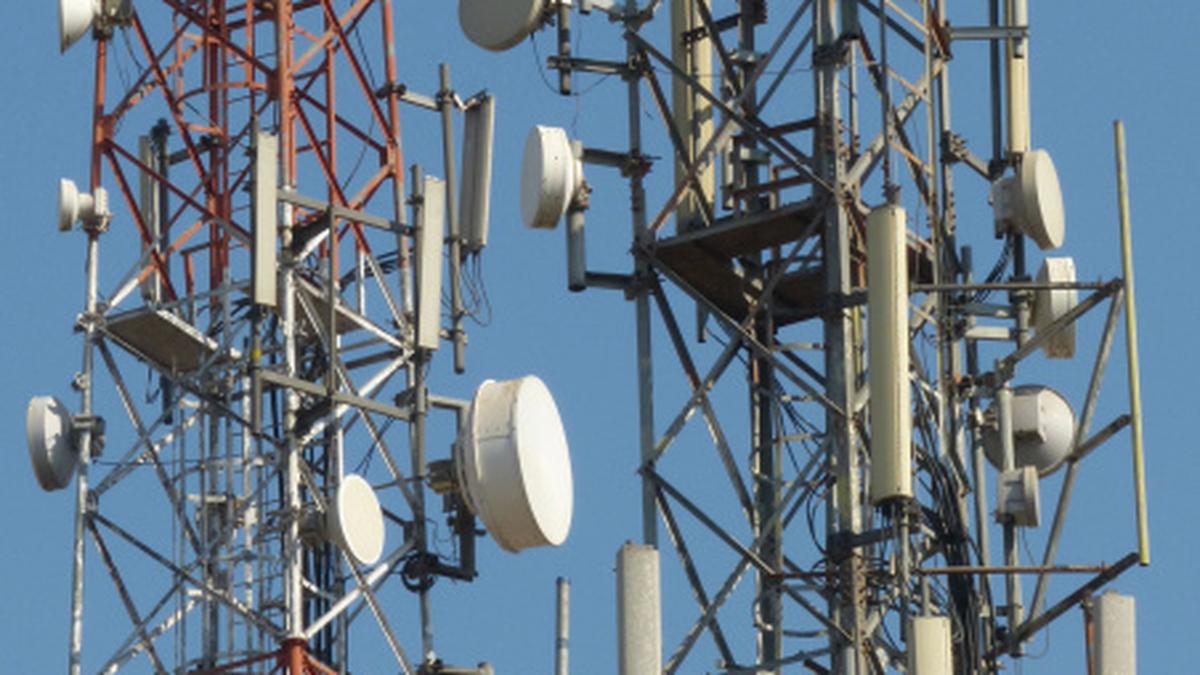
Assam and Tamil Nadu telecommunications networks face significant risks from cyclonic winds and flooding, according to a study by the Coalition for Disaster Resilient Infrastructure. The coalition, which includes 72 national governments and stakeholders, evaluated the resilience of 48,416 telecom towers in five high-risk states: Assam, Gujarat, Odisha, Tamil Nadu, and Uttarakhand.
In Tamil Nadu, 57% of the 18,388 mapped towers are exposed to high or very high cyclonic wind risks, with concentrations in Chennai, Chengalpattu, and Tiruvallur. Over a third of these towers are also at risk of flooding, with Kanchipuram, Thanjavur, and Tirunelveli facing the highest exposure. Additionally, 5% of the towers are in areas prone to storm surges exceeding six meters.
In Assam, 83% of the 18,388 assessed towers are in very high cyclonic wind zones, with 43% in high flood exposure areas and 5% in landslide-prone regions.
Odisha's telecom towers face similar threats, with 57% at risk of cyclonic winds, 14% to storm-surge exposure exceeding six meters, and 13% to flooding. Gujarat and Uttarakhand also have notable exposure, with 28% and 25% of their telecom towers, respectively, at risk of cyclonic winds. In Gujarat, 12% of towers are susceptible to flooding, while 10% in Uttarakhand are located in high landslide susceptibility areas.
All towers in Assam and Uttarakhand, and 12% of towers in Gujarat, are in high and very high seismic zones (Zone IV and V). The study emphasizes the need to consider overlapping hazards at the local level, as 8% of Assam's telecommunications towers are exposed to seismic Zone V, high flood, and cyclone hazards. The coalition's assessment underscores the importance of protecting not only towers but also the power supplies, access routes, and other infrastructure essential for connectivity.
Written by urgent.news from The Hindu's reporting — not their text. Machine-written — may contain errors; check the original before relying on it.