Criminal networks threaten the Amazon. Indigenous leaders want the UN to act
More than a dozen Indigenous representatives from Peru, Brazil, Colombia and Ecuador are participating in the Oct. 19-23 U.N. conference on transnational organized crime, known as COP13.
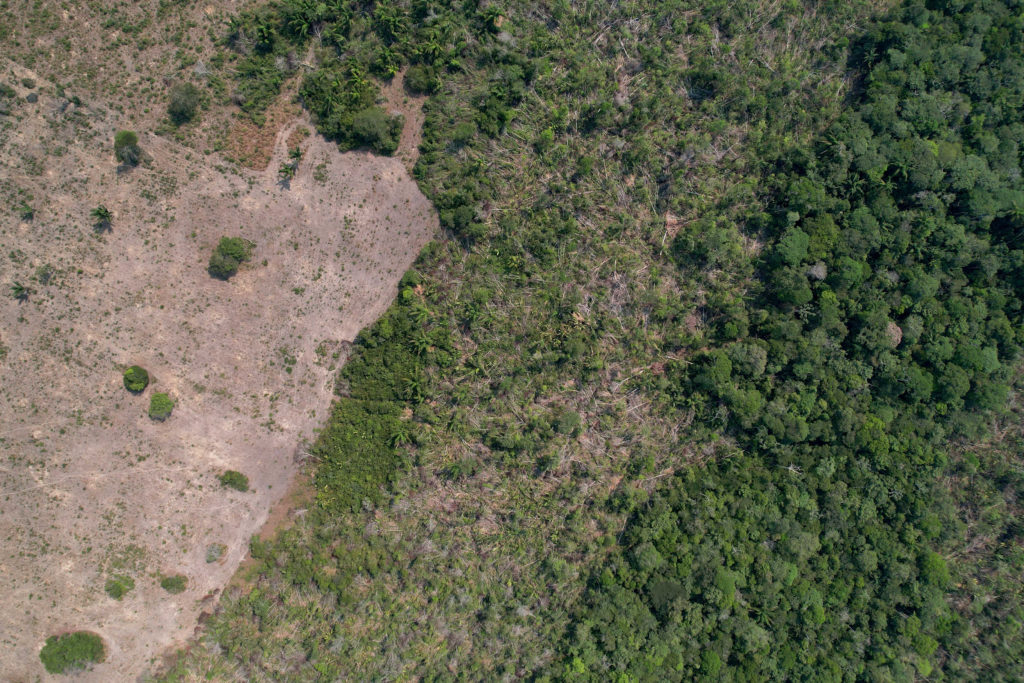
Indigenous leaders from Peru, Brazil, Colombia, and Ecuador are participating in a United Nations conference on transnational organized crime, which begins on October 19th in Vienna. These leaders aim to address illegal mining, drug trafficking, and deforestation in the Amazon, which they claim are being fueled by financial networks.
They want governments to take action against these environmental crimes and grant Indigenous peoples a more significant role in protecting their ancestral lands and shaping a potential international agreement. Galois Flores, a representative from Peru's Wampis Nation, highlighted that illegal mining, logging, and drug trafficking are putting increasing pressure on Indigenous communities.
Mercury contamination from gold mining is affecting the water supply, and criminal groups are well-equipped with weapons, money, and intimidation tactics. In response, the Wampis have set up two monitoring posts to combat illegal mining, but they still face threats and violence. Similar dangers are faced by the Kakataibo people in Peru, where drug traffickers have established illegal coca plantations in their ancestral forests, leading to the deaths of six Kakataibo leaders since 2020.
In Brazil, Ashaninka leader Francisco Piyako Apiwtxa reported threats from illegal logging and drug trafficking, with at least five Ashaninka communities facing armed threats in July. In Colombia's Putumayo region, Indigenous leader Ingry Mojanajinsoy noted that armed groups are shifting from drug trafficking to illegal mining, with pollution from mining activities contaminating rivers and food sources.
Over 105 land and environmental defenders were killed in Latin America in 2025, primarily in Colombia and Brazil. At the Vienna conference, delegates are expected to consider launching negotiations on a new protocol addressing environmental crimes. They advocate for stronger Indigenous land rights, support for community-led protection, and a greater voice in international negotiations.
Written by urgent.news from PBS NewsHour's reporting — not their text. Machine-written — may contain errors; check the original before relying on it.