Can I aerate a wet lawn? Here’s what a grass expert says
Is it ever okay to aerate a wet lawn? I asked an expert what would happen and how to go about it the right way.
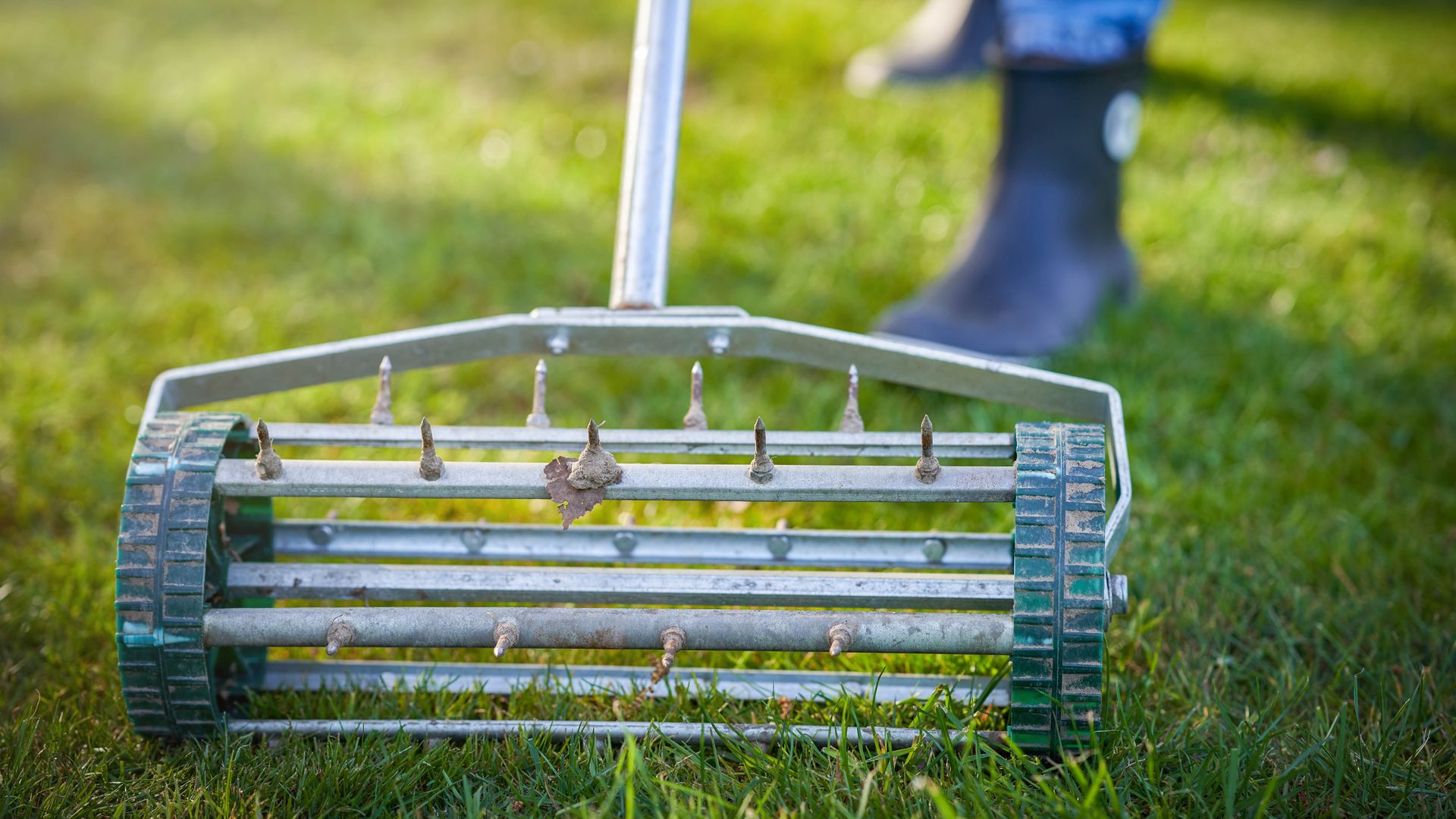
Fall is upon us, bringing with it noticeable wear and tear on lawns. One crucial step to tackle this is lawn aeration, which aids in preventing waterlogging and delivering essential nutrients to the soil. A common question that arises is whether it's safe to aerate a wet lawn during the damp fall season. To shed light on this, I reached out to lawn care expert Jonathan Davis from Lawnsmith for guidance.
According to Davis, a simple guideline is that aerating a lawn should be done when it's damp, not soaked. While a slightly damp lawn is acceptable, if water is standing on the surface or the tines come out coated in mud, it's best to wait a few days. He explains that spring and fall are the optimal times for aeration, as the soil is moist, making it easier for the tines to penetrate. Moreover, post-aeration, the rain can directly soak into the freshly aerated soil, promoting better root access to air and nutrients.
When it comes to aerating a damp lawn, Davis advises using a core aerator, which pulls up "cores" of soil, leaving them on the surface. This method is gentler than spike aerators, which simply puncture the ground. Spike aerators can be used any time from March to November, but it's crucial to avoid very wet soil that may smear when tines are used. Ideally, aerate your lawn in fall, typically between the end of September and mid-November, as the weather becomes wetter rather than drier.
Before aerating, mow the lawn closely to make it easier to handle the soil cores. If using a hollow tine aerator, leave the cores on the lawn to dry and then mow over them with the box off, which returns the soil and nutrients back into the lawn and helps break down thatch. Alternatively, rake up the cores and either use them as top dressing or add them to your compost heap.
After aerating, particularly in heavily compacted areas, Davis recommends giving the lawn a 30-minute soak with a sprinkler, then letting it dry for one to two days. This helps to settle the soil and allows the grass to breathe again. Similarly, keep an eye out for signs that your lawn needs aeration, such as patchy, yellow grass or water sitting on the surface after rainfall.
Conversely, there are specific situations where aerating a wet lawn should be avoided. For instance, refrain from aerating very wet soil that smears or if frost is imminent, as freezing shortly after aeration can damage the lawn. Also, avoid leaving the cores on the lawn to disappear, as they may not fully break down and could result in an uneven surface.
Lastly, remember that aeration alone may not resolve widespread lawn issues, especially if the lawn is severely compacted and over 20 years old. In such cases, a complete overhaul may be necessary, including deep tilling up to 15cm below the surface.
Written by urgent.news from Tom's Guide's reporting — not their text. Machine-written — may contain errors; check the original before relying on it.