Bosses Deploying AI-Powered Spyware That Watches Workers Constantly
"You are being watched." The post Bosses Deploying AI-Powered Spyware That Watches Workers Constantly appeared first on Futurism .
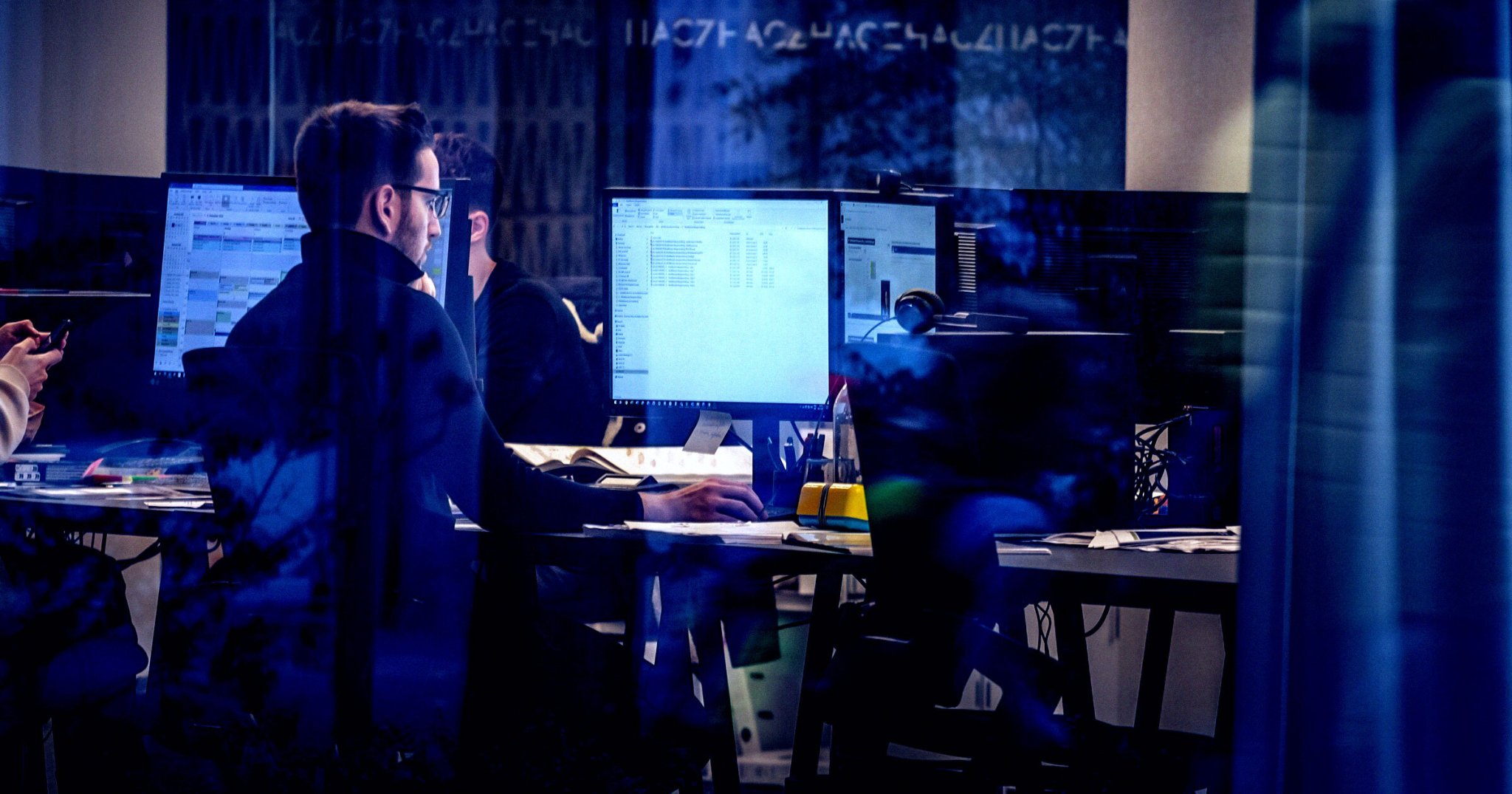
AI technology is being utilized by employers to intensify workplace surveillance and monitor employee interactions, according to a recent report. The Co-op, a legal services firm based in the UK, is among those deploying AI models to meticulously record and evaluate every aspect of their employees' phone calls, according to a story published by The Guardian.
A whistleblower within the company described the monitoring as "oppressive and dystopian," detailing how AI assesses over 50 different facets of each call, assigning pass or fail scores. Workers are often subjected to AI monitoring for several hours per day, particularly when they spend more time communicating with customers. One employee at the Co-op expressed their distress, stating that they are constantly under surveillance with every word they speak, which feels like a dark precursor to a dystopian future.
The use of AI in the workplace has become increasingly prevalent, with an estimated 61 percent of U.S. organizations already employing AI analytics software to assess worker productivity, as reported by a survey. In an apparent effort to monitor employee friendliness, Burger King recently mandated the use of AI-powered headsets for staff members, using the headset to provide real-time feedback and commands from a chatbot named Patty.
Meta experienced a similar controversy earlier this summer, when it attempted to deploy a tool designed to track workers' keystrokes and screen activity in an attempt to train its AI models. However, the initiative was halted following backlash over the invasive nature of the data collection. Despite the Co-op's insistence that AI is merely a support tool for quality assurance and not a decision-maker, experts remain skeptical.
John Chadfield, the national officer of the Communication Workers Union, warned that AI could undermine traditional workplace practices and exacerbate the strain on workers, arguing that such systems should not dictate employment decisions.
Written by urgent.news from Futurism's reporting — not their text. Machine-written — may contain errors; check the original before relying on it.