As Yokohama’s Green Expo nears, organizers draw inspiration from the past
From cutting-edge tech to lessons from the Edo Period, the six-month event will seek to help develop solutions to the planet's environmental crises.
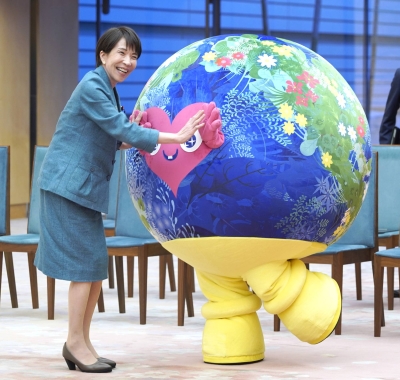
Yokohama's Green Expo, set to commence in five months, is drawing momentum from the past as organizers strive to craft a unique Japanese perspective under the theme “The Blooming Field of Planetary Citizens.” The expo, occupying 100 hectares of land previously occupied by a U.S. military communication facility, will host ten million plants, including 600 cherry trees, ready to blossom around the opening date of March 19.
The exhibit aims to underscore the interaction between humans and the natural environment, stressing the urgency for global collaboration to tackle environmental challenges. The organizers hope to attract an international crowd, promoting a Japanese model for sustainable development by 2030, in line with the United Nations' Sustainable Development Goals.
The expo is set to delve into sustainable practices from the past, particularly the Edo Period (1603-1867), where a circular economy thrived. During this time, Japan was largely isolated from global trade, and the society practiced recycling, reusing, and repairing items to minimize waste. This culture of reusing and repurposing waste, known as mottainai, became deeply ingrained in the Japanese psyche.
Authorities implemented strict timber restrictions to prevent deforestation, and the concept of circularity in materials and objects was highly valued.
The Edo Period is being celebrated as a "golden period" for the circular economy, and there is a push to revive its spirit, including the application of its natural disaster mitigation techniques. For instance, the hanami (cherry blossom-viewing) tradition, initially promoted by the government in key areas during flood-prone times, involved compacting the soil with people's weight to strengthen it. This serves as an example of how ancient wisdom can be applied to modern-day challenges.
Written by urgent.news from Japan Times's reporting — not their text. Machine-written — may contain errors; check the original before relying on it.