Ancient ‘Sphinx crocodile’ reveals surprising local connection
A newly identified crocodilian lived in Egypt around 45 million years ago - and its closest living relatives include Malaysia’s false gharial.
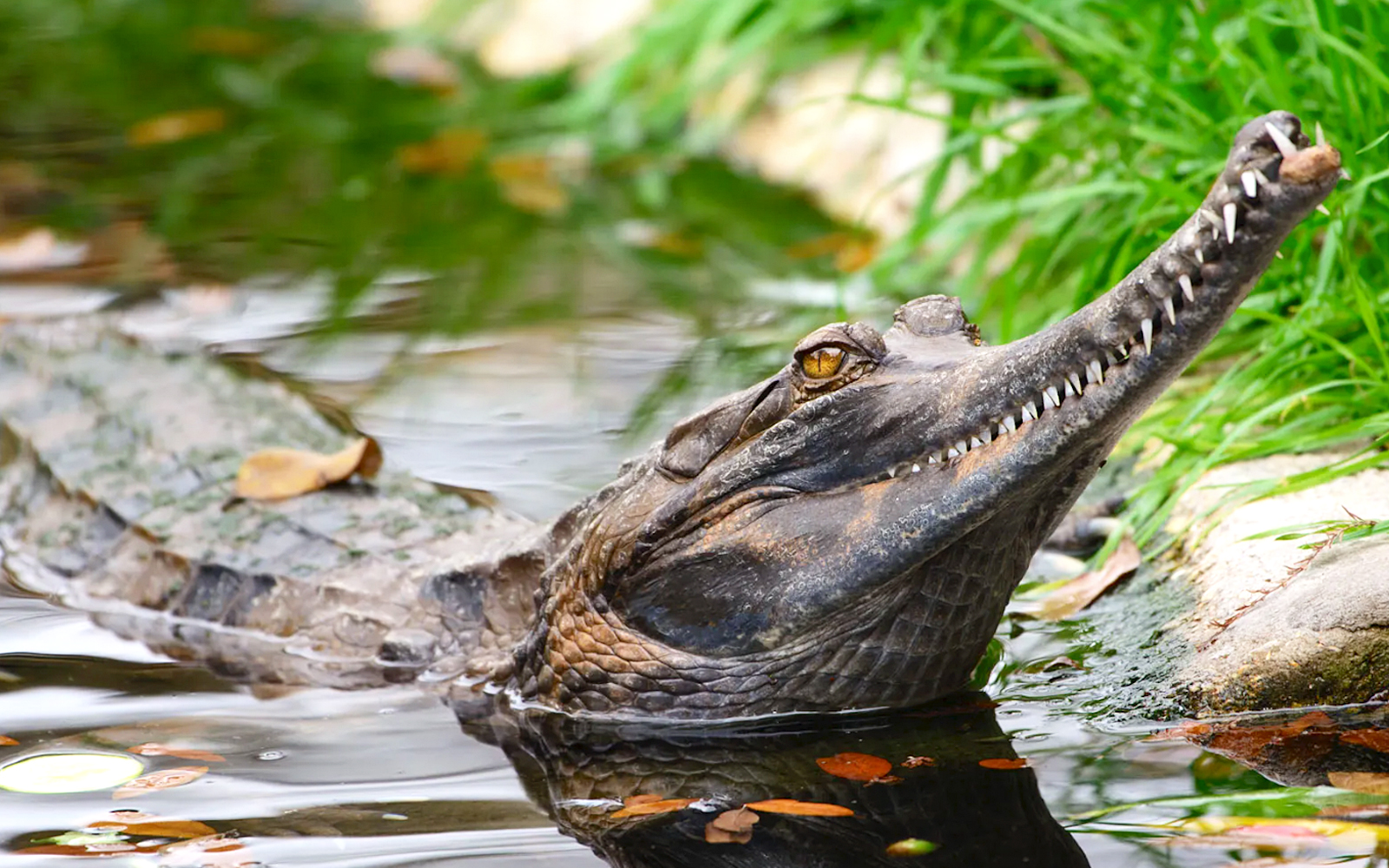
A previously unknown crocodilian species, named Herugavialis cairensis, has been identified from Egypt, shedding light on the ancient lineage that also includes Malaysia's false gharial. The 45-million-year-old creature, whose fossil skull bears a resemblance to the missing nose of the Great Sphinx, was first described in 1927 and is currently housed at the State Museum of Natural History in Stuttgart, Germany.
This newfound species, belonging to the gavial lineage, had previously been lumped together with other crocodilian groups. Today, only two living species from this lineage remain: the Indian gharial and the false gharial, also known as the Malayan gharial. Malaysia's false gharial, Tomistoma schlegelii, inhabits freshwater rivers and peat-swamp environments in various regions across the country.
The newly identified Egyptian species, however, represents a distinct branch in the evolutionary history of the gavial lineage, which once thrived across Europe, Africa, and the Americas for tens of millions of years. The disappearance of gavials in the Mediterranean region is attributed to climate changes and sea level fluctuations, leading to their current survival only in parts of South and Southeast Asia.
Written by urgent.news from Free Malaysia Today's reporting — not their text. Machine-written — may contain errors; check the original before relying on it.
Also reported by 1 other outlet
- Ancient ‘Sphinx crocodile’ reveals surprising local connection freemalaysiatoday.com