AI, trust, and the future of journalism
In a keynote address marking PR Worx’s 25th anniversary, Dr Iqbal Survé argues that AI should assist journalism, not replace human judgment, accountability and original reporting.
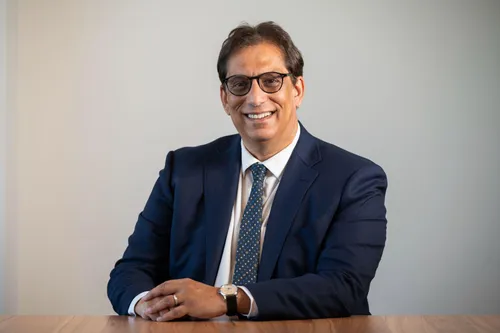
At the PR Worx 25th Anniversary Black Tie Celebration, Dr Iqbal Survé delivered a keynote address discussing the role of artificial intelligence (AI) in journalism. He emphasized that while technology has changed over time, from radio to television and now AI, the core question remains: how to establish truth, communicate responsibly, and earn trust.
Survé stressed that journalism is an art, requiring storytelling through careful consideration of who, what, when, where, and why. Throughout history, new technologies have disrupted journalism, but each time, the art of journalism adapted and survived. The introduction of AI has brought new gifts, such as transcription, translation, and pattern recognition, which can free journalists to focus on the aspects of their job that cannot be automated.
However, AI also poses risks, such as inventing quotations or fabricating images. Nobel laureate J M Coetzee questioned whether we should strive for "the truth, the whole truth, and nothing but the truth," highlighting the importance of verifying facts, separating opinion from fact, and treating people fairly. Survé noted that while AI can provide valuable insights, it cannot replace the critical thinking and context provided by human journalists.
He also quoted Katharine Viner, editor-in-chief of The Guardian, who emphasized that AI cannot hold the powerful accountable or conduct on-the-ground reporting, and Arthur Gregg Sulzberger, publisher of The New York Times, who criticized AI companies for failing to ensure trustworthy news and information. Ultimately, Survé argued that AI and journalism should not be seen as opposing forces but as complementary tools that require careful oversight and ethical considerations to ensure the integrity of the news.
Written by urgent.news from IOL's reporting — not their text. Machine-written — may contain errors; check the original before relying on it.