AI coding agents are great at writing code and terrible at deleting it, and that's the real problem nobody talks about
AI coding agents can write code in seconds, but knowing what to delete is a whole different story.
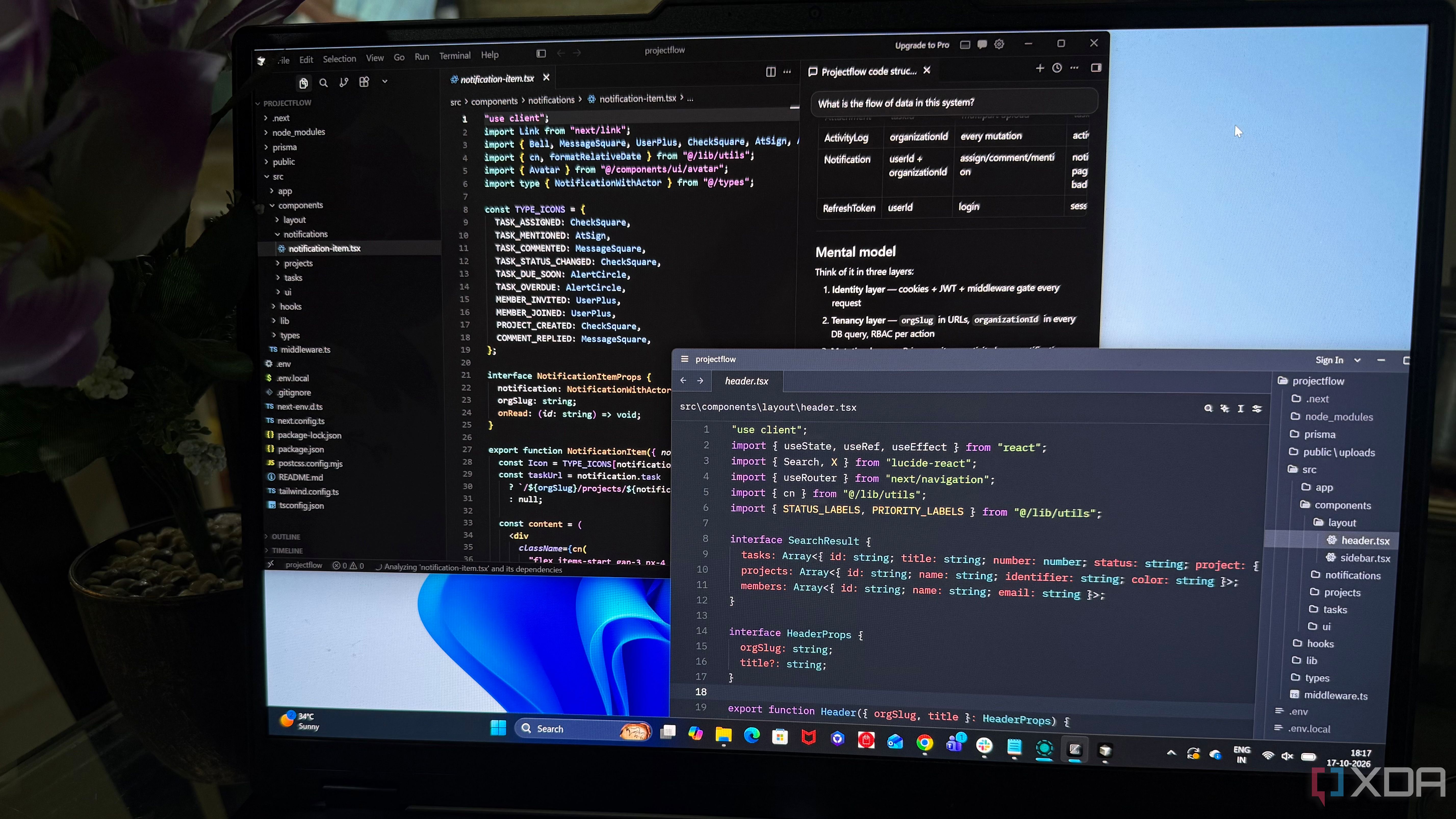
AI coding agents are exceptional when it comes to generating code, yet they struggle significantly when it comes to eliminating code. This discrepancy represents a critical aspect of software development that often goes unnoticed. While much of the conversation revolves around AI's capacity to produce code swiftly, fix bugs, and automate tasks, the reverse scenario - where AI could reduce code - is seldom discussed.
Initially, I observed how effortlessly these agents could transform a straightforward instruction into functional code. I could request a feature, address a validation issue, or introduce a new setting, and the agent would typically deliver a clear and direct outcome. Testing confirmed whether the feature functioned as intended, and I could determine if the task was completed.
Measuring code writing in this manner is relatively straightforward: a clear request, implementation, and verifiable outcome. However, this approach also influences how I utilize these tools. I tend to give agents tasks that involve creating new features or modifying existing behavior. I seldom consider asking them about unnecessary components or whether a requested change could be handled with a simpler solution.
The agent adheres to the task provided. If success is measured solely by the feature's functionality, an essential element of the development process is overlooked. Moreover, I've noticed that as AI agents manage multiple modifications over time, the codebase becomes increasingly difficult to navigate. A simple component can evolve into a complex structure, incorporating various files, utilities, and additional layers.
While each change may seem logical in isolation, the overall structure often becomes less intuitive than before. This becomes particularly evident when working on an existing project. Agents may introduce different approaches to problem-solving, and other tasks might adopt varied methodologies. This inconsistency can complicate understanding how everything interconnects, especially when revisiting the project at a later stage.
The challenge lies in the fact that these changes do not necessarily result in immediate problems. The application may continue to function correctly, and the newly added feature could operate flawlessly. The growing complexity might only become apparent when I need to revisit older sections of the project, at which point I realize the codebase has unnecessarily become more difficult to follow.
I've come to understand that more code does not always equate to superior software. Even when every function performs as expected, excessive code introduces additional elements to comprehend, test, and maintain. A seemingly minor change can suddenly become challenging due to the extra logic that serves no real purpose. Additionally, I am concerned about the implications for future modifications.
Each additional function, condition, or dependency adds another factor to consider when making changes to the project. A change that seems simple may require examining several related components to ensure nothing is disrupted. The issue isn't always that the code is poorly written; sometimes, it's that the code should not exist at all.
This is where AI-generated code can become a long-term liability. I can quickly obtain a working result, but the time saved during development doesn't necessarily translate into time saved later. I prefer maintaining a more straightforward, smaller codebase over one that is packed with functional code that adds little value. I've learned that removing code requires more discernment than I initially anticipated.
When I instruct an AI agent to delete something, it must understand how that code is utilized across the project, not just whether it appears unnecessary. A function might lack obvious references but still be invoked dynamically or utilized by an external integration. Removing it without proper assessment can result in difficult-to-detect bugs.
This is an area where human intervention is essential. While I can ask an agent to identify unused functions, review dependencies, or suggest what to remove, I do not want to approve every deletion blindly, even if the agent seems confident. I must comprehend the rationale behind the change and verify whether it could impact other aspects.
My strategy involves allowing AI to assist in the investigation, reviewing the proposed changes, and conducting relevant tests before accepting them. Ultimately, I aspire for AI coding agents to become more discerning about what they create and what they remove. Until this improvement is achieved, I will continually remind myself that sometimes, the most significant advancement isn't the addition of something new, but the understanding of what not to add in the first place.
Written by urgent.news from XDA Developers's reporting — not their text. Machine-written — may contain errors; check the original before relying on it.