Abu Dhabi launches wildlife rescue network to give injured animals a second chance at life
The Environment Agency – Abu Dhabi (EAD) has launched the Abu Dhabi Wildlife Rescue Network, an initiative designed to accelerate emergency responses, coordinate rescue efforts and provide essential care for wildlife across the emirate. The network brings together government entities, non-governmental organisations, academic institutions and private-sector partners within an integrated framework…
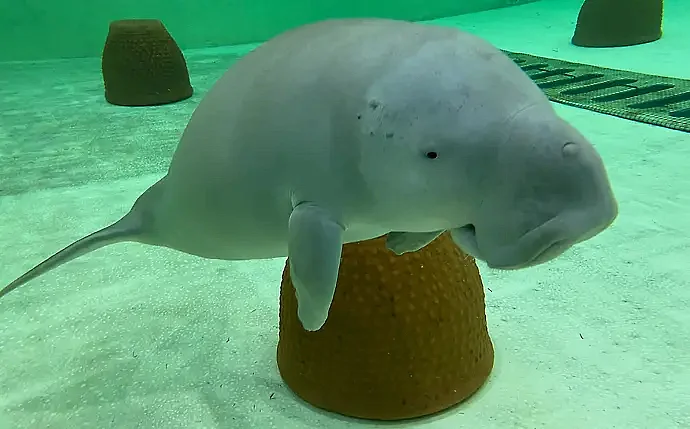
The Environment Agency – Abu Dhabi (EAD) has unveiled the Abu Dhabi Wildlife Rescue Network, a groundbreaking initiative aimed at enhancing emergency responses, coordinating rescue efforts, and delivering critical care for wildlife throughout the emirate. This network unites government bodies, non-governmental organizations, academic institutions, and private-sector partners under one integrated framework.
It emphasizes timely intervention, successful rehabilitation, and the eventual return of animals to their natural habitats, all within the bounds of their physical capability to cope. At Saadiyat Island, the network was officially launched with a significant milestone event. This event included the symbolic release of rehabilitated sea turtles back into the waters of the Arabian Gulf, marking a new era in Abu Dhabi and the UAE’s approach to wildlife emergencies and species protection.
The network harnesses EAD’s decades-long expertise in rescuing a variety of species, ranging from sea turtles, sea snakes, dugongs, dolphins, and birds. This experience, which began in 2016, has evolved to encompass a broader range of marine and terrestrial species due to advances in scientific and veterinary knowledge. The Abu Dhabi Wildlife Rescue Network is underpinned by a sophisticated digital platform.
This system streamlines the management of wildlife emergencies, from the initial report to treatment and release. It works in the following manner: 1. When an animal is reported distressed, either by the public or partner organizations, the process is initiated through official channels. 2. A specialized field team is then dispatched to the scene to perform an initial assessment and provide immediate, on-site stabilization.
3. Once the animal is stabilized, it is transferred to specialized facilities where veterinarians and experts deliver tailored treatment and rehabilitation. Key partners include The National Aquarium, SeaWorld Yas Island, and Abu Dhabi’s research and rescue facilities, which utilize advanced diagnostic tools such as CT scanners and cutting-edge veterinary techniques.
4. After a full recovery, animals are released back into their natural habitats. In some cases, digital tracking devices are attached to monitor their post-release behavior, contributing to valuable conservation data. The initiative goes beyond the EAD’s operations, fostering a collaborative environment that leverages the expertise of medical and academic institutions, private-sector partners, and the general public.
All these stakeholders play a crucial role, from identifying distressed animals and reporting incidents to participating in awareness campaigns.
Written by urgent.news from Gulf News's reporting — not their text. Machine-written — may contain errors; check the original before relying on it.