A former Trump Organization executive vice president says Trump ‘could be a better negotiator if his ego didn’t get in the way’
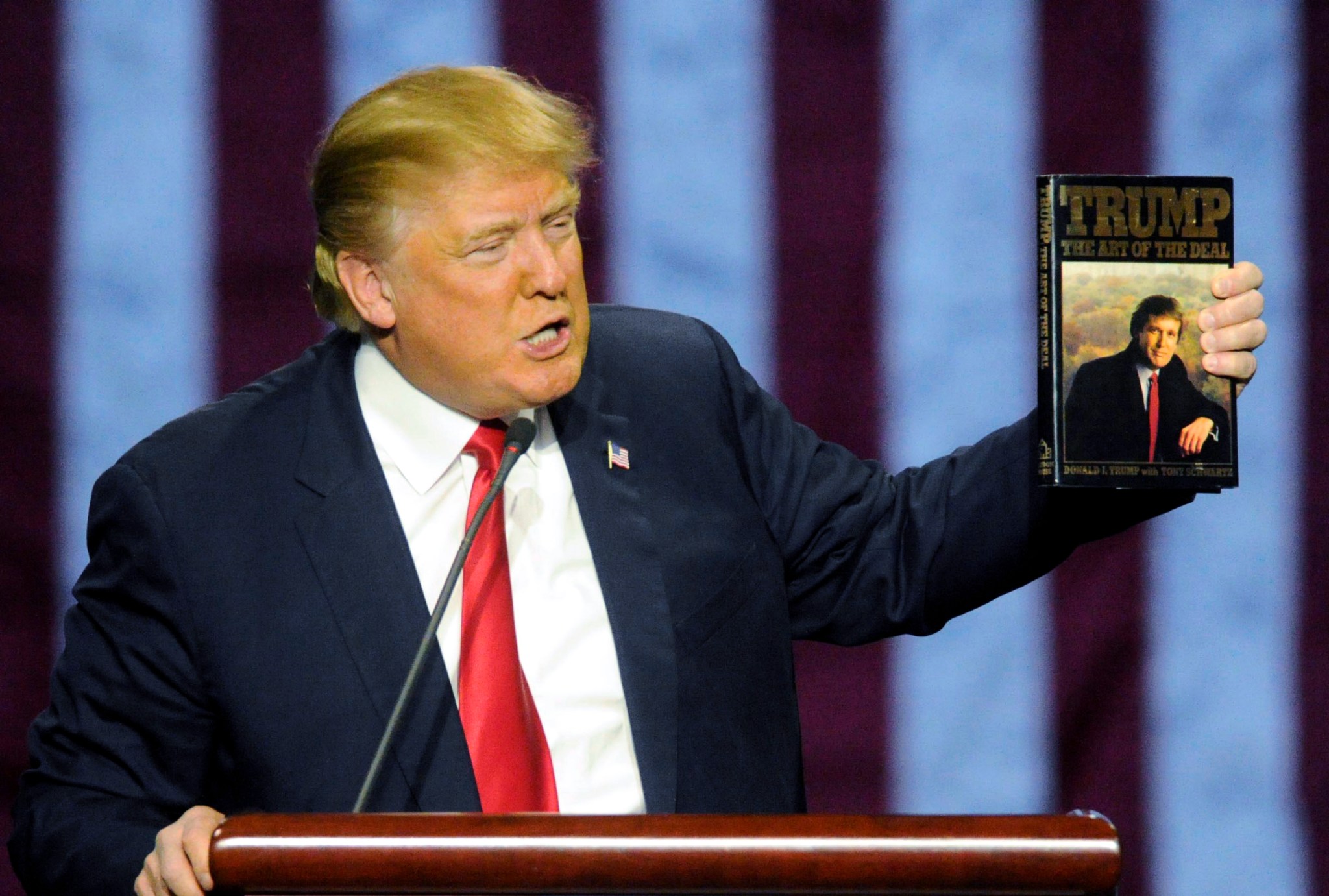
Once the Trump Tower was inaugurated and "The Art of the Deal" was three years away from publication, then-38-year-old Donald Trump claimed he could negotiate Russian arms control better than Ronald Reagan. In 1984, he told The Washington Post that mastering missiles would only take an hour-and-a-half, emphasizing that it was all about dealmaking prowess.
"You either have it, or you don’t," he declared. This image of a never-lose negotiator was cultivated in New York tabloids and later on reality TV, molding his public perception so intensely that supporters began to believe perception translated into reality. Now, as he campaigns for Republican candidates across the nation – from Florida to Alaska – Trump is urging voters to again view him as an unqualified success, especially in a midterm election that has transformed into a referendum on his presidency and his alleged dealmaking abilities.
However, an analysis of Trump's dealmaking both during his presidency and in the private sector reveals mixed outcomes. Christopher Preble, a senior fellow and director at the Stimson Center, an international security think tank, asserts that "he's not as good at this as he thinks he is." During his presidency, Trump's promises of swift solutions, such as defeating Iran in weeks, were not realized.
He brokered what he called a "great" ceasefire in Iran, but it quickly collapsed. Trump also persistently claimed that Iran desired a deal to cease the fighting, which proved false. He promised to negotiate an end to Russia's war in Ukraine within a day, announcing a ceasefire that never materialized, despite Trump's insistence otherwise.
Trump's strategy of imposing unilateral tariffs to secure the best trade deals has led to higher domestic prices and trade wars with close allies like Canada. Despite these costly missteps, the tariffs have brought in over $83 billion this year, primarily paid by American consumers while generating less revenue than Trump had anticipated.
Even in less significant matters, Trump's dealmaking has faltered. He claimed his "guy, who's unbelievable at doing swimming pools," could fix the Lincoln Memorial's Reflecting Pool for less than $1 million, but the cost has surpassed $20 million. His presidential negotiations follow a pattern seen in his business dealings, where he frequently exaggerates his negotiation successes while covering up expensive failures.
He has resorted to refusing to pay workers and often suing them, a trend that has led to his biggest successes when he had maximum leverage. For instance, in real estate deals, Trump often boasted about getting a better part of the deal due to his purchase price, a tactic difficult to replicate in today's global context. Trump's "master dealmaker" narrative gained momentum with the success of "The Apprentice" in 2004, allowing him to portray himself as a rich and powerful tycoon on television.
This bolstered his first presidential run, as supporters felt the success and wealth of the presidency would somehow rub off on them. Despite his approval ratings dropping near-historic lows, Trump remains adamant about his status as an elite negotiator. Tim O’Brien, author of "TrumpNation: The Art of Being The Donald," suggests that after the November 3rd election, it may become clear just how much voters believe in Trump's competence as a manager and dealmaker.
Written by urgent.news from Fortune's reporting — not their text. Machine-written — may contain errors; check the original before relying on it.