'Sportswashing' or investment? Rwanda F1 stirs debate and doubts
F1 is finally heading back to Africa but at what cost ?
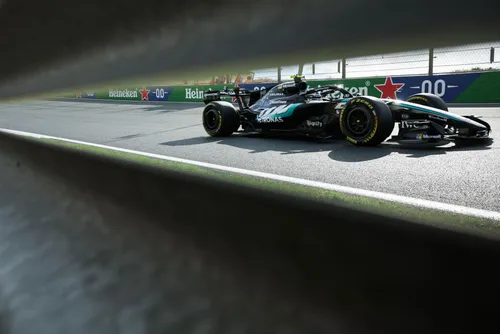
KIGALI: The idea of a Formula 1 Grand Prix in Rwanda has sparked a mix of excitement and controversy. Rwanda's government promotes the project as a major investment in the country's future, with the race slated for the early 2030s. The announcement was made in a glitzy ceremony on Tuesday, showcasing Rwanda's clean image and organizational prowess. The event is set to unfold against the backdrop of Rwanda's lush hills and rich wildlife, all broadcast to a worldwide audience.
Formula 1 is often marketed as the third most-watched sporting event globally, only surpassed by the Olympic Games and the FIFA World Cup. However, the project has raised concerns among some observers. Amnesty International condemns it as a form of "sportswashing," accusing Rwanda of attempting to enhance its image by partnering with the world's most-watched sports event, while concealing its poor human rights record.
This concern echoes previous criticisms of Formula 1's involvement with governments that have questionable human rights records, including China and Azerbaijan.
Rwanda has previously used sports to improve its international standing. Last year, the country hosted the World Cycling Championships, becoming the first African nation to do so. The "Visit Rwanda" campaign also sees the government sponsor major European football clubs, such as Paris Saint-Germain and the NBA's Los Angeles Clippers. However, President Paul Kagame's reputation for strategic vision in driving Rwanda's economic growth has been marred by accusations of suppressing political dissent.
Kagame expressed his pride at being selected for Formula 1, describing it as an investment in Rwanda's future that will bring jobs, skills, tourism, and business opportunities to the country and region for decades. Yet, some attendees expressed reservations, cautioning that Rwanda should not bite off more than it can chew. The Qatar model serves as a cautionary tale, as India and South Korea faced financial losses after attempting to build tracks to host Formula 1 events.
Critics argue that the hundreds of millions required to create a modern racetrack could be better allocated towards healthcare, education, or other essential services. Despite Rwanda's economic growth, its GDP per capita remains low, ranking 159th out of 193 countries on the UN's Human Development Index. Critics question whether the expenditure on the F1 Grand Prix will yield better results.
While the FIA notes support from Qatar, which is constructing a new international airport near the proposed racetrack, one Rwandan entrepreneur maintains that the potential economic benefits may only accrue to a select few.
Written by urgent.news from New Straits Times's reporting — not their text. Machine-written — may contain errors; check the original before relying on it.
This story
This is one outlet's version. Read the fullest account.