Shisha smoking will cause 1 million new lung cancer cases globally by 2050: WHO study
Water pipe smoking will contribute to about 1 million new lung cancer cases globally by 2050, with the Western Pacific region bearing the brunt, according to a study led by a World Health Organization (WHO) research agency that was recently presented in Hong Kong. The study, which is yet to be published, was headed by Dr Mahdi Sheikh, a scientist of the early detection, prevention and infections…
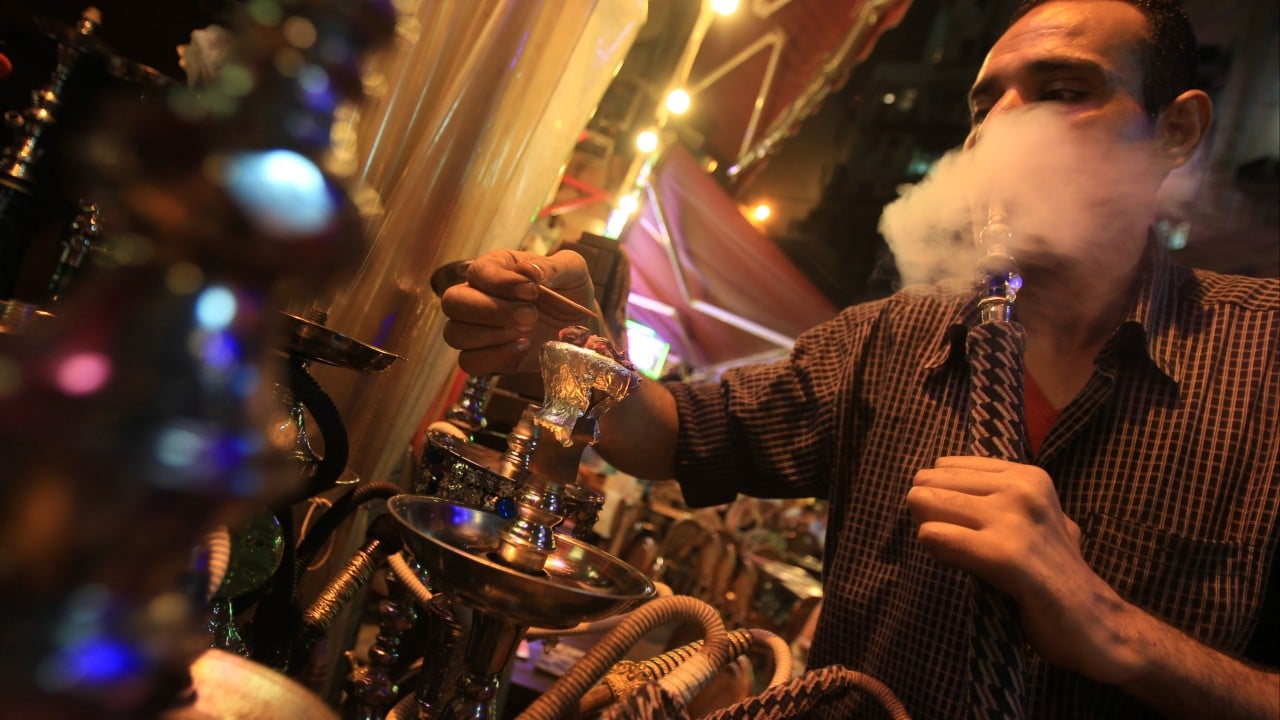
A recent study led by a World Health Organization (WHO) research agency has projected that water pipe smoking will cause approximately 1 million new lung cancer cases globally by 2050. Dr Mahdi Sheikh, a scientist at the International Agency for Research on Cancer (IARC), led the research which was recently presented in Hong Kong.
The study estimates that there will be 82 million new lung cancer cases worldwide between 2025 and 2050, with 944,700 or 1.1% of them attributed to water pipe smoking. Sheikh emphasized that while 1% may not seem significant, it translates to 1 million cases when considering the goal of saving lives. Most lung cancer cases are still caused by traditional cigarettes, accounting for 60 to 70% of cases, alongside other risk factors such as air pollution and occupational exposure.
The research team estimated that the Western Pacific region would bear the brunt of water pipe-related lung cancer, with the region expected to see 350,400 new cases over the next 25 years. The Eastern Mediterranean region, which includes countries with a deep historical roots in water pipe smoking, had the highest water pipe smoking rates globally.
Sheikh warned that the tobacco industry is targeting young people to increase the use of these products, which will have an impact two decades from now. He stressed the need for raising awareness about the risks of water pipe smoking, as the WHO has issued guidelines for regulating water pipe tobacco but many countries have yet to implement specific regulations.
The research team could only obtain data from 78 countries, leading to significant data gaps, particularly in Africa and the Western Pacific. Sheikh urged countries to follow the WHO's guidelines and guard against interference from the tobacco industry. He highlighted Hong Kong as an example of success, citing its low smoking and water pipe smoking rates.
Written by urgent.news from South China Morning Post's reporting — not their text. Machine-written — may contain errors; check the original before relying on it.
This story
This is one outlet's version. Read the fullest account.