Road to an all-electric car fleet will be bumpier than it looks
The global shift to electric vehicles (EVs) might appear unstoppable, but the path there is far from straightforward.
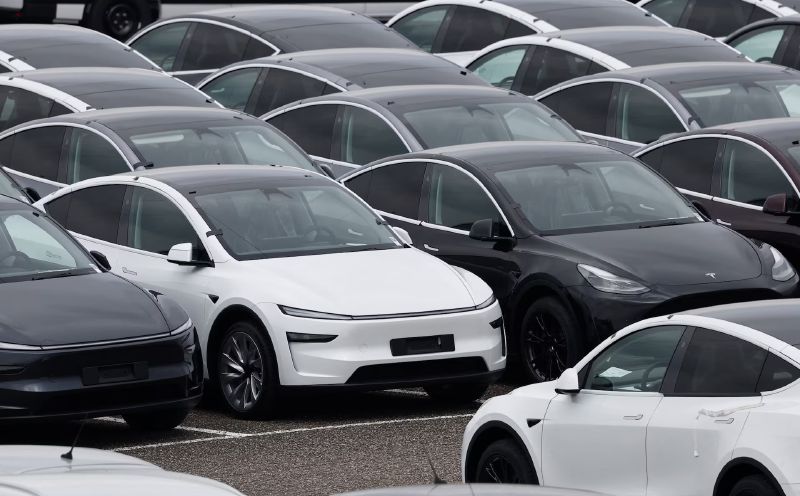
Transitioning to an all-electric car fleet appears unstoppable, yet the journey is fraught with complexity and uncertainty. According to global risk management firm DNV, battery-powered electric vehicles (EVs) will ultimately dominate passenger car fleets worldwide by 2050, with their share exceeding 90% in regions from China and Europe to Southeast Asia.
This forecast could indicate a rapid reduction in oil demand for road transport, potentially lowering gasoline consumption forecasts across major markets. However, an examination of existing car fleets suggests the transition to EVs may involve significant obstacles. While some countries are swiftly replacing internal combustion engine (ICE) cars with EVs, others are simultaneously expanding EV fleets alongside traditional car sales.
China leads the global electrification effort, with its electric car fleet surpassing that of all other nations combined, currently standing at approximately 37.5 million passenger EVs. By 2035, DNV predicts over 165 million EVs on China's roads, rising to 360 million by 2050. The country's robust EV manufacturing sector, integrated battery supply chain, and expansive charging network are driving down ownership costs and accelerating adoption.
Chinese government subsidies and mandates for automakers to accelerate the shift from fuel-burning vehicles further propel this trend. In Europe, the largest projected decline in ICE cars by 2050 is anticipated, with conventional car numbers decreasing from around 284 million today to approximately 77 million. Policies aimed at reducing transport emissions and the proliferation of charging stations are making EVs a more attractive option for car buyers.
Despite European carmakers selling more conventional cars, growing demand for affordable and convenient EVs is fueling their sales. In North America, where ICE cars currently number around 290 million and account for about 86% of the total fleet, the fleet of ICE cars is projected to shrink to around 215 million by 2040, representing just 30% of the overall fleet.
This change is attributed to a surge in EV uptake, forecast to rise from eight million cars currently to nearly 86 million by 2040. The decreasing costs of EV ownership and improved access to charging stations are expected to spur EV adoption in North America, despite the prolonged presence of ICE cars due to the affordability of gasoline.
The Indian subcontinent's car fleet is still predominantly ICE, estimated at around 73 million and projected to reach 165 million by the late 2040s. Limited charging infrastructure and consumer skepticism about costs are expected to delay the region's EV uptake into the 2050s. However, electric scooters and motorcycles are experiencing rapid growth, potentially sustaining expansion of charging infrastructure and enhancing electric grid stability, paving the way for the eventual EV-dominated vehicle market.
In Southeast Asia, Sub-Saharan Africa, Latin America, and the Middle East, buyers are expected to follow similar trajectories, with sales of ICE cars expanding until the 2040s before EVs become the preferred choice. China and Europe are poised to retire over 300 million ICE passenger cars from their roads between now and 2050, leading to a substantial long-term decline in petrol demand in these regions.
Nevertheless, the decline in ICE car numbers may be partially offset by the ongoing expansion of conventional vehicle ownership in India and other emerging markets throughout the coming decades. While the final destination is undoubtedly a more electrified global vehicle fleet, the pace of the journey remains uncertain.
Written by urgent.news from New Straits Times's reporting — not their text. Machine-written — may contain errors; check the original before relying on it.