Leap seconds being retired next year to avoid wreaking havoc on computer systems
The leap second will be replaced by a leap hour, which will take "several centuries" before it must be implemented.
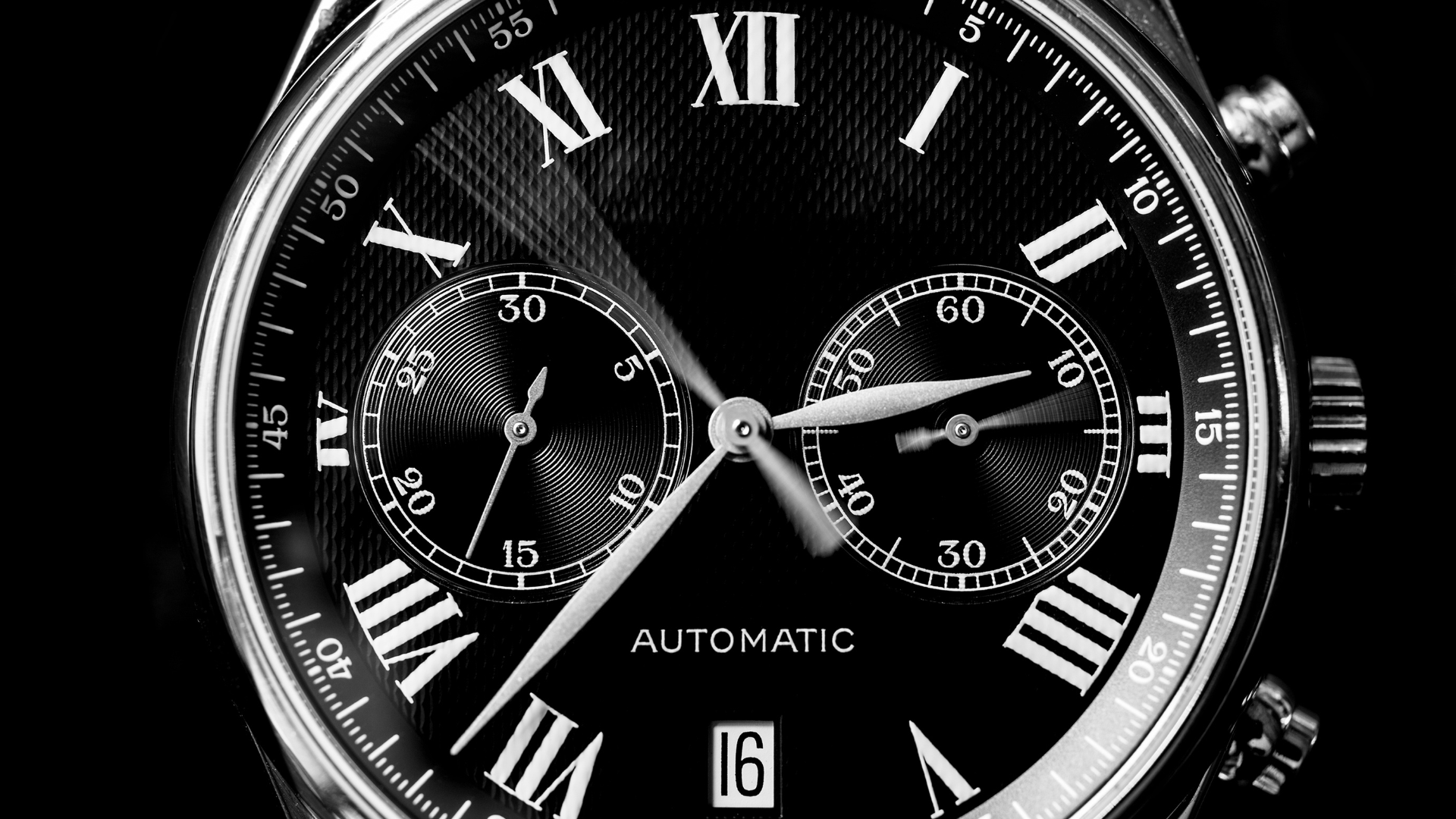
The International Bureau of Weights and Measures (BIPM) has decided to retire leap seconds from Coordinated Universal Time (UTC) by 2027, instead of the previously planned 2035, to prevent potential chaos for computer systems. Leap seconds are occasionally added to UTC to keep it in sync with the Earth's rotation, which is not constant due to factors like atmospheric forces, ocean currents, and gravitational influences from celestial bodies.
However, these additions have been inconsistent, causing unexpected issues for machines that haven't been updated to handle them - a risk that has never been encountered with negative leap seconds. The BIPM estimates that preparing for a negative leap second would cost as much as upgrading for the millennium bug. In response, the organization is now planning to replace leap seconds with the leap hour, which would maintain the long-term continuity of UTC.
This decision will eliminate the need for manual clock adjustments, though a sudden hour jump in the future may surprise some people, as many regions already have significant hour differences due to time zones and daylight-saving time practices.
Written by urgent.news from Tom's Hardware's reporting — not their text. Machine-written — may contain errors; check the original before relying on it.