Knowing how to use a kitchen sponge seems idiot-proof, but most of us are still doing it wrong
Are you using the wrong side of your sponge? Learn how to match the soft cellulose layer and abrasive scouring pad to the right pans to save your cookware
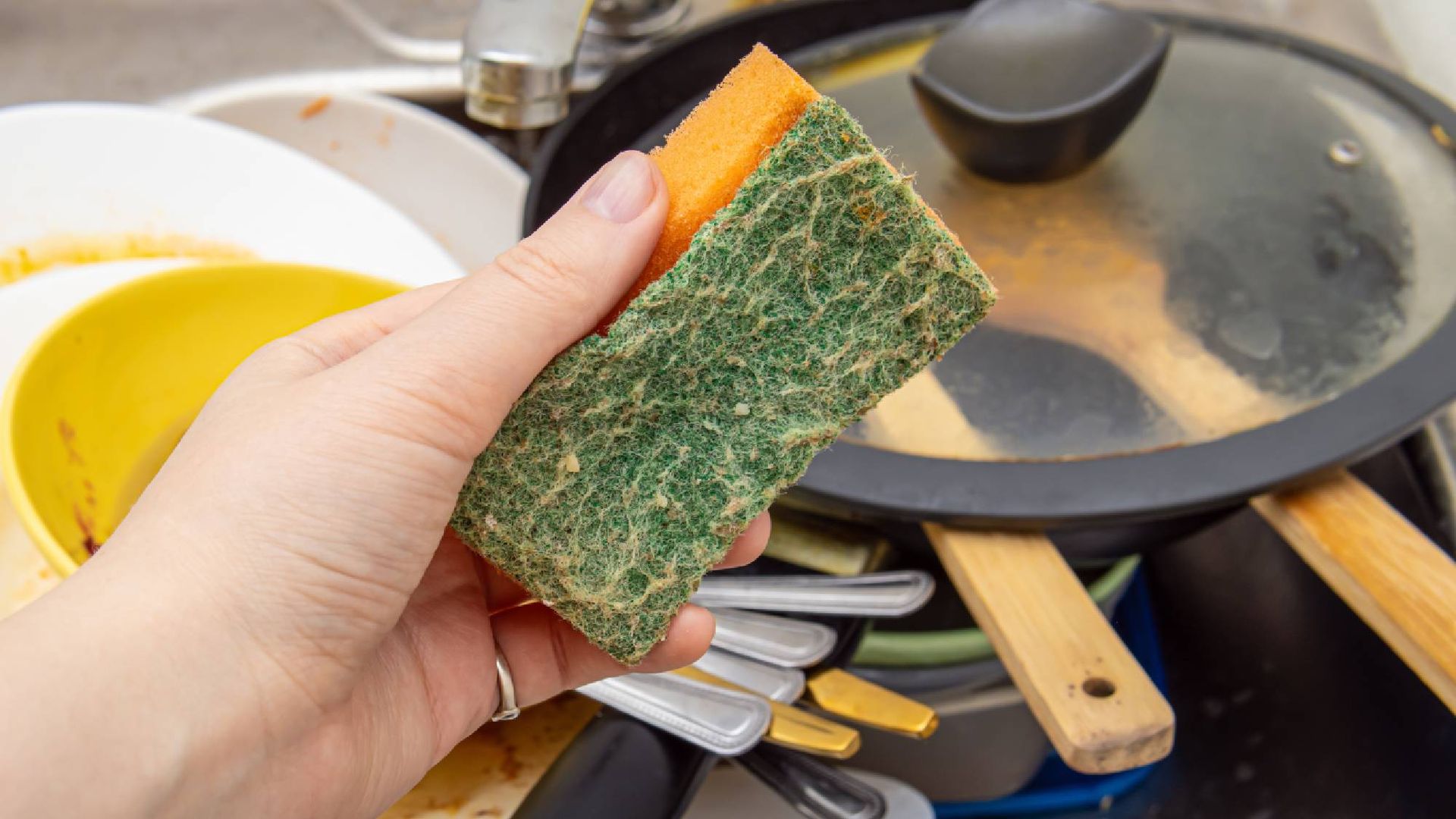
Most people have used kitchen sponges their entire lives without giving much thought to their construction or proper usage. The standard dual-layer sponge is often treated as a one-size-fits-all tool, with the soft side and abrasive side simply a matter of convenience. However, this approach can lead to damage to kitchenware and inefficient use of resources.
The soft side of the sponge is made from synthetic polyurethane foam or natural cellulose wood pulp, which creates a porous structure for maximum absorption of soap and water. This layer is designed to be non-abrasive, allowing it to gently clean delicate surfaces without causing damage. Attached to this is the abrasive top layer, typically composed of dense synthetic fibers like nylon or polyester infused with abrasive mineral particles.
This side is engineered specifically for heavy-duty scrubbing to break down stubborn, burnt-on food residue.
The problem lies in the misuse of these different sponge layers. Many people instinctively reach for the rough scouring side for cleaning tasks, including everything from grease removal to wiping down smooth surfaces. This behavior is misguided for several reasons. The synthetic fibers in the scouring side act like micro-sandpaper, wearing down non-stick, ceramic, and Teflon coatings, causing permanent stains and difficulty in cleaning in the future.
On stainless steel, plastic, and glass items, the abrasive action leaves fine scratches that dull the finish and create hiding spots for bacteria. Additionally, the dense fibers in the scouring side cannot hold water or create foam like the soft base layer, leading to wasted dish soap as it drains through without proper lathering.
To protect your kitchenware and extend the life of your sponges, it's essential to use each side correctly. Reserve the soft, porous side for delicate items such as non-stick pans, glassware, plastic containers, and smooth surfaces like countertops and appliances. Keep the abrasive side for heavier-duty cleaning tasks on uncoated, durable surfaces like stainless steel pots, baked-on casserole dishes, oven grates, and outdoor grill burners.
By matching the sponge to the surface you're cleaning, you'll preserve your kitchen tools and use your resources more efficiently.
Written by urgent.news from Tom's Guide's reporting — not their text. Machine-written — may contain errors; check the original before relying on it.