HTC Made Smart Glasses That Are Way More Private
These smart glasses do just about everything Meta glasses can, but they're not tied to a social media platform.
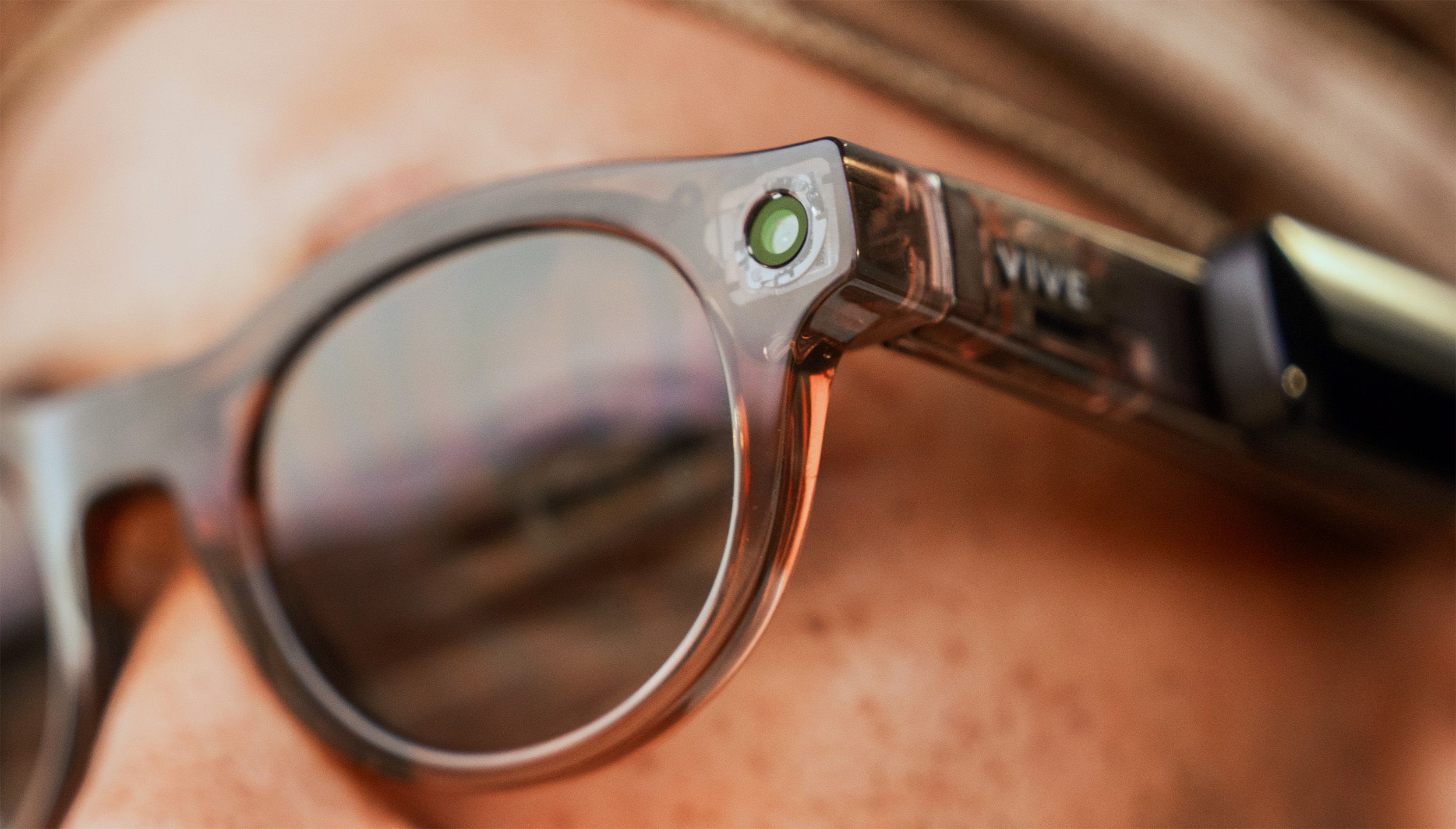
In September, HTC began selling its $499 Vive Eagle smart glasses in the United States. These glasses offer similar features to other products on the market, including cameras for taking photos and videos, speakers for music playback and calls, an embedded AI assistant for answering questions and providing recipes, and a clip-on battery pack called Power Boost for extended battery life.
HTC also aims to differentiate its product from competitors by addressing privacy concerns that have plagued companies like Meta in the past. HTC's head of enterprise sales, Dan McDowell, explains that the company is not just focused on protecting consumers but also on safeguarding those around the users. The Vive Eagle glasses are available in two styles, one with square lenses and the other with rounded lenses, and they can last up to 4.5 hours of battery life on continuous music playback or 36 hours on standby.
The included AI assistant, Vive AI, can utilize OpenAI's ChatGPT or Google's Gemini and does not require a login, ensuring user information remains "de-identified." The glasses come with Vive's AI Plus for free for the first two years, after which users must pay a monthly $2.50 subscription fee. A bright indicator light is present by the cameras, and if it is covered, the glasses will not record.
Video footage captured by the glasses is encrypted and stored directly on the device, not automatically sent to a phone or cloud storage. HTC hopes that by offering better privacy practices, the company can help shift the cultural disdain for smart glasses and encourage more players to prioritize user privacy.
Written by urgent.news from Wired's reporting — not their text. Machine-written — may contain errors; check the original before relying on it.