How vertical video is putting the power of storytelling back in people's hands
As a visual storyteller, I have often found that some of the most compelling footage of an unfolding event comes not from professional cameras, but from mobile phones held by people already at the scene. While covering the Gul Plaza fire in Karachi, I saw the weight that footage captured by bystanders could carry. Recorded in the early moments, before mainstream media arrived, such videos offered…
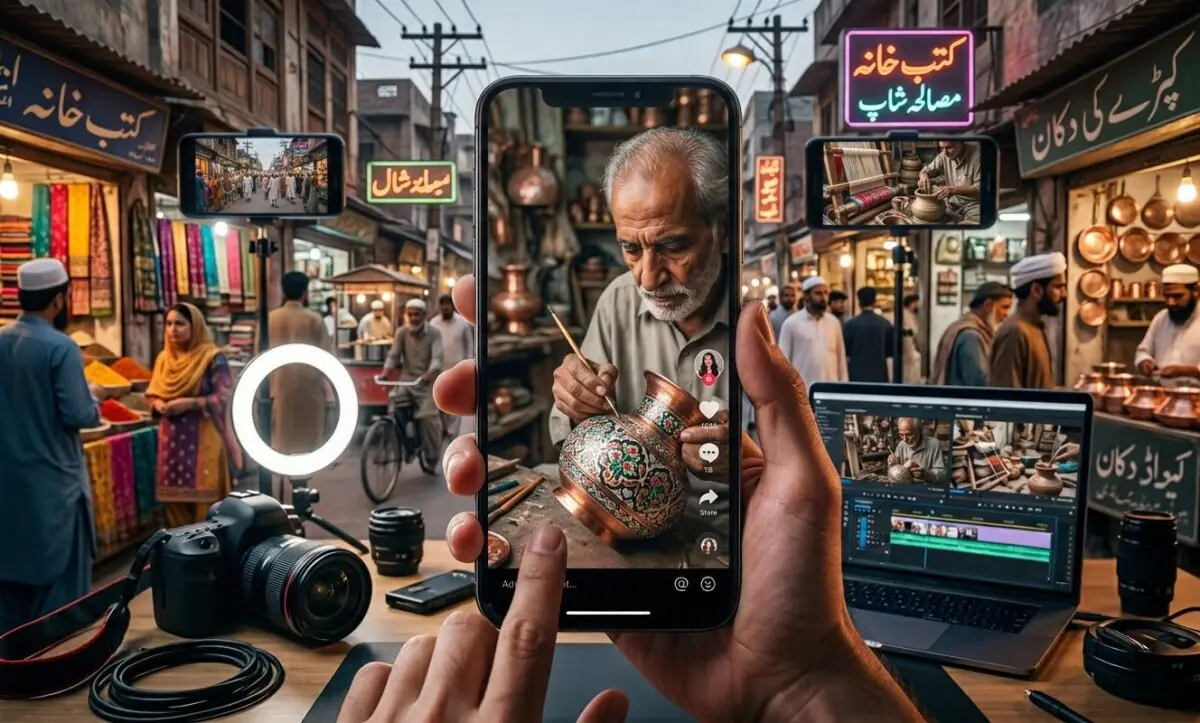
As a visual storyteller, Sualeha Qureshi has observed that compelling footage of unfolding events often comes from mobile phones held by bystanders at the scene. During the Gul Plaza fire in Karachi, she witnessed how such videos captured the tragedy from the perspective of those present in real time. This experience reinforced her belief that a powerful storytelling tool does not always require a professional camera.
Instead, it can be a small device in someone's pocket, operated by an ordinary person witnessing extraordinary events.
Vertical video represents a shift in both content consumption and documentation. Filmmaker Sualeha Qureshi explains how the phone in someone's pocket has become a camera, edit suite, and broadcast tower. While access to the camera is now democratized, access to the audience remains limited. Algorithms influence which videos gain visibility, often rewarding speed, emotion, and outrage over context. Governments can also restrict access to platforms, and misinformation can spread rapidly through videos.
Filmmaker Mohammed Anwerzada notes that vertical storytelling demands efficiency, as audiences have short attention spans and can quickly swipe away. However, brevity does not equate to superficiality. A well-crafted short video can convey a powerful message if its images, pacing, and message work together effectively. Documentarian Haya Fatima Iqbal acknowledges that filmmakers must rethink their approach to framing, pacing, and duration when adapting to the vertical format.
This format favors intimate portraits and close-ups, requiring filmmakers to adapt their storytelling style.
While vertical video offers new opportunities for storytelling, it also presents challenges. The format demands deliberate decisions to engage audiences within limited time frames. Nonetheless, for Qureshi and Iqbal, the rise of vertical video signifies a return of power to the people, allowing them to communicate political and social concerns through their own stories.
Written by urgent.news from Business Recorder's reporting — not their text. Machine-written — may contain errors; check the original before relying on it.