‘Hot economics, cold politics’: why China gave nod for expanded Japanese trade trip
Beijing’s decision to allow a bigger Japanese business delegation to go to China next month may be cause for some optimism but “hot economics and cold politics” will continue to dominate the strained relationship between the two countries, observers say. Kyodo news agency reported this week that Beijing had agreed to allow the Japanese Business Federation – the country’s most influential business…
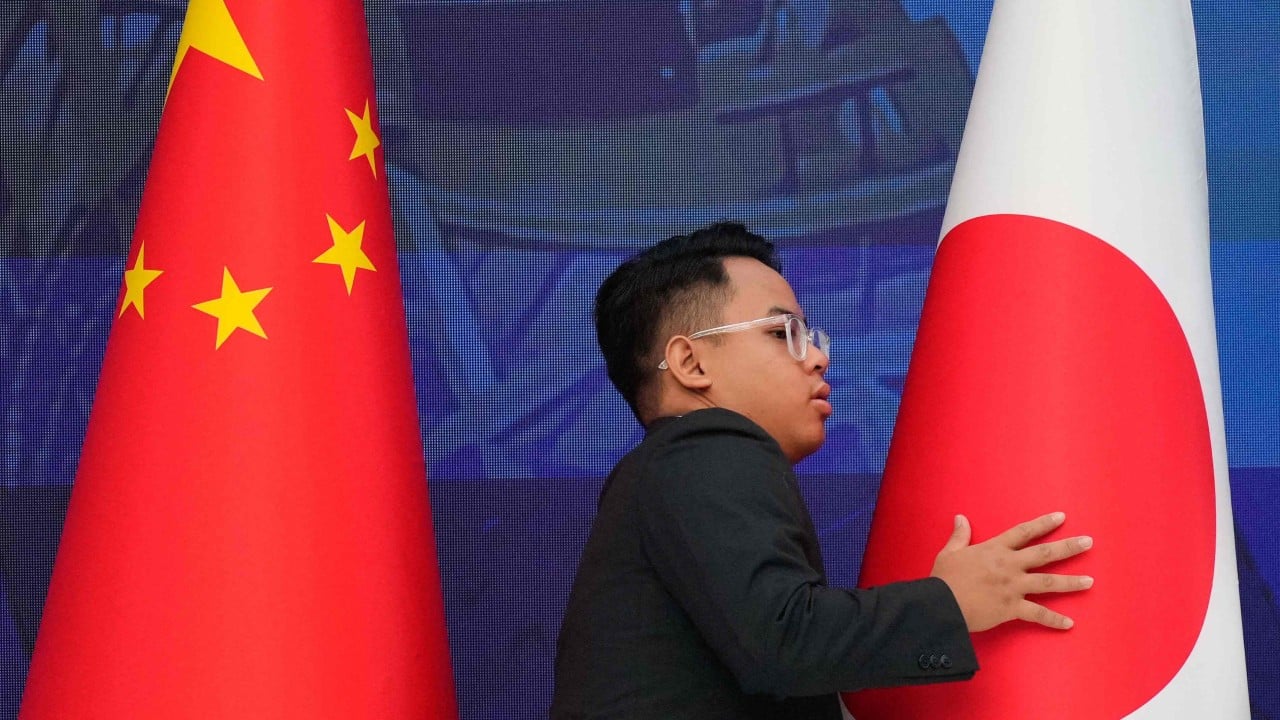
Beijing's approval for a larger Japanese delegation to visit China next month may offer some hope, but "hot economics and cold politics" will continue to shape the delicate relationship between the two nations, experts say. According to Kyodo news agency, Beijing has agreed to increase the Japanese Business Federation's delegation from five to around 20 members.
The delegation will visit China in mid-November, potentially coinciding with the Apec summit in Shenzhen. This decision came after former foreign minister Takeshi Iwaya's recent trip to Beijing, where he met with top Chinese officials including Wang Yi and Vice-Premier He Lifeng. The meetings marked the first publicly disclosed discussions between senior Chinese leaders and a Japanese politician since tensions escalated in November of the previous year.
The suspension of all intergovernmental exchanges between Beijing and Tokyo followed Iwaya's comments about an attack on Taiwan posing a "survival-threatening situation" for Japan. While some analysts view the expanded Keidanren visit as a tool to apply pressure on Tokyo, it seems more likely to be driven by economic considerations, as Japanese businesses seek a stable trading environment with China.
The planned March visit could involve three of Japan's major business groups. Despite the economic ties, political tensions persist, with Chinese customs imposing restrictions on Japanese imports and export controls on certain goods. Nonetheless, the persistence of business-led outreach highlights the intertwined economic relationship between the two countries, which neither side can easily ignore.
Written by urgent.news from South China Morning Post's reporting — not their text. Machine-written — may contain errors; check the original before relying on it.
This story
This is one outlet's version. Read the fullest account.