‘Hot economics, cold politics’: why China gave nod for expanded Japanese trade trip
Beijing’s decision to allow a bigger Japanese business delegation to go to China next month may be cause for some optimism but “hot economics, and cold politics” will continue to dominate the strained relationship between the two countries, observers say. Kyodo news agency reported this week that Beijing had agreed to allow the Japanese Business Federation – the country’s most influential…
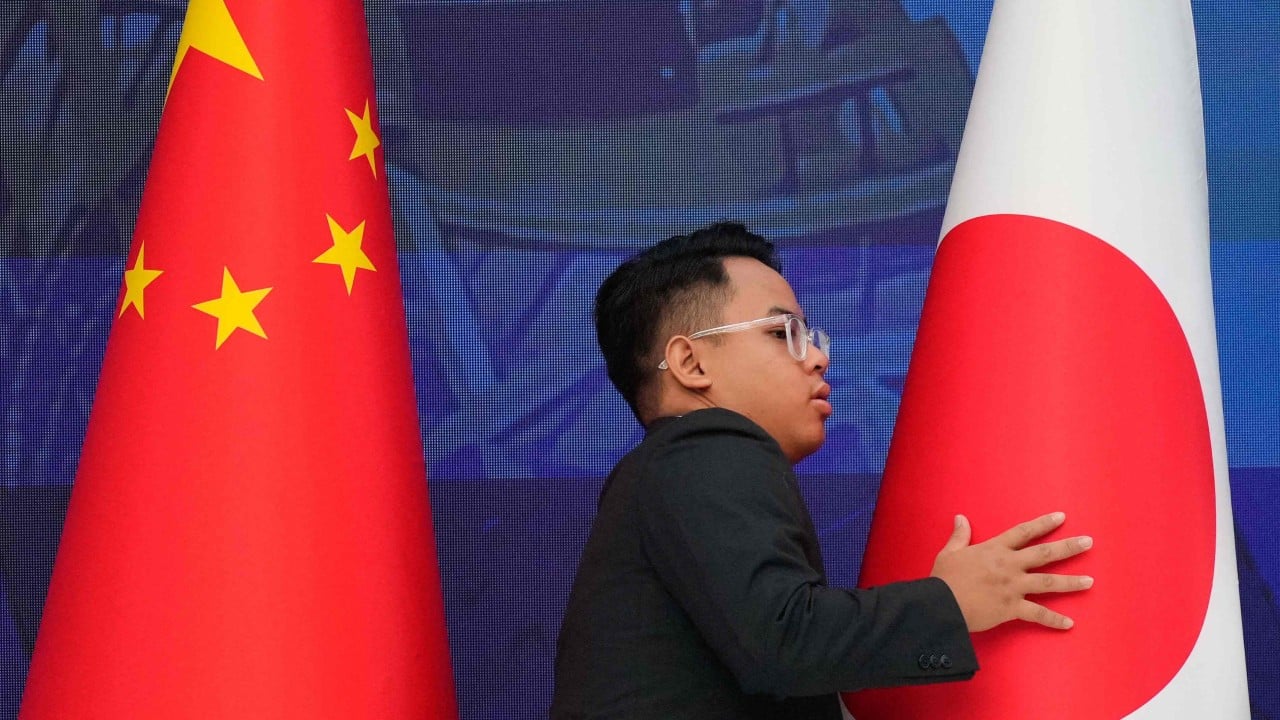
Beijing’s decision to allow a larger Japanese delegation to visit China next month may signal optimism, but "hot economics and cold politics" will continue to shape their strained relationship, analysts say. According to Kyodo news, Beijing agreed to permit the Japanese Business Federation, or Keidanren, to increase its delegation from five to around 20 people for a trip likely coinciding with this year's APEC summit in Shenzhen.
This comes after former Foreign Minister Takeshi Iwaya's visit with a 50-person trade delegation, which included discussions with top Chinese officials.
The expanded delegation may be a result of leveraging economic channels to pressure Tokyo into concessions, rather than fostering rapprochement, according to Rintaro Nishimura, a senior associate at The Asia Group. Engaging with business delegations while minimizing government dialogue conveys a clear message to Tokyo, suggesting that Japan's businesses would prefer a stable business environment with their largest trading partner.
Since 1975, Japan's annual business delegations to China have taken place, with a few exceptions due to challenges in securing meetings. Although bilateral ties have fluctuated, economic exchanges have often occurred despite political antagonism. Experts note that while economic activity is influenced by political considerations in Beijing, changes in political leaders' messages or behavior are necessary for substantial improvements in bilateral ties.
China's recent economic measures, such as extended processing times for Japanese imports and export controls on rare earth elements, have impacted Japanese businesses. However, the persistence of business-led outreach underscores the mutually intertwined economic relations between the two countries. Chinese officials' reception of Iwaya's delegation suggests willingness for economic exchanges, but this change is not a significant shift in Beijing's stance on Japan.
Written by urgent.news from Reuters Business via SCMP's reporting — not their text. Machine-written — may contain errors; check the original before relying on it.