Gen Z workplace communication sparks friction in Korean offices
"This new hire is really strange. Even when calls come in, they do not answer, and when given instructions, they do not respond. They ignore most KakaoTalk messages and only reply to things that benefit them." Senior employees in their 30s who work with new hires in their 20s with impressive credentials frequently voice this grievance. They complain that open communication with junior staff…
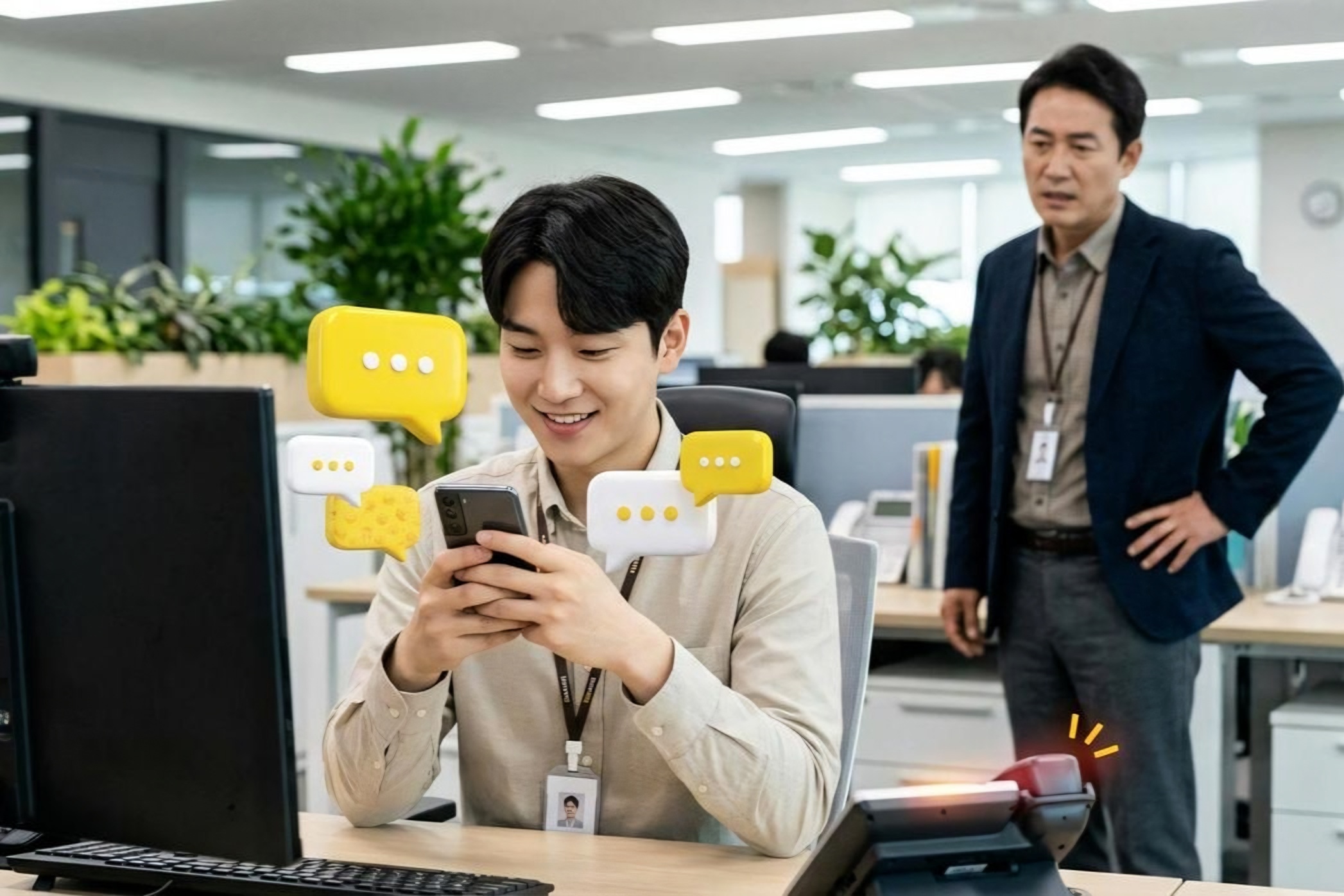
Recent observations highlight a growing rift in Korean workplaces concerning Gen Z communication styles. New hires in their 20s exhibit peculiar behavior when interacting with older colleagues. They tend to ignore incoming calls and only respond to messages on KakaoTalk that align with their interests. This raises concerns among senior employees who find open communication with younger staff challenging despite their best efforts.
However, those targeted by this criticism argue that their aim is to share clear information without causing misunderstandings. The preference for text messages over phone calls is a key factor in this disconnect. Young workers find texting advantageous as it allows them to compose their responses thoughtfully. This written record also serves as a reference point, enabling them to retrieve necessary details without repeating queries.
Moreover, they argue that phone calls can be inconvenient since they require going back to listen to recorded conversations, a process they find less efficient. This shift in workplace communication underscores evolving generational preferences and the need for adaptable collaboration strategies in the Korean corporate landscape.
Written by urgent.news from The Korea Times's reporting — not their text. Machine-written — may contain errors; check the original before relying on it.
This story
This is one outlet's version. Read the fullest account.
- Gen Z workplace communication sparks friction in Korean offices koreatimes.co.kr