Gen Z workplace communication sparks friction in Korean offices
"This new hire is really strange. Even when calls come in, they do not answer, and when given instructions, they do not respond. They ignore most KakaoTalk messages and only reply to things that benefit them." Senior employees in their 30s who work with new hires in their 20s with impressive credentials frequently voice this grievance. They complain that open communication with junior staff…
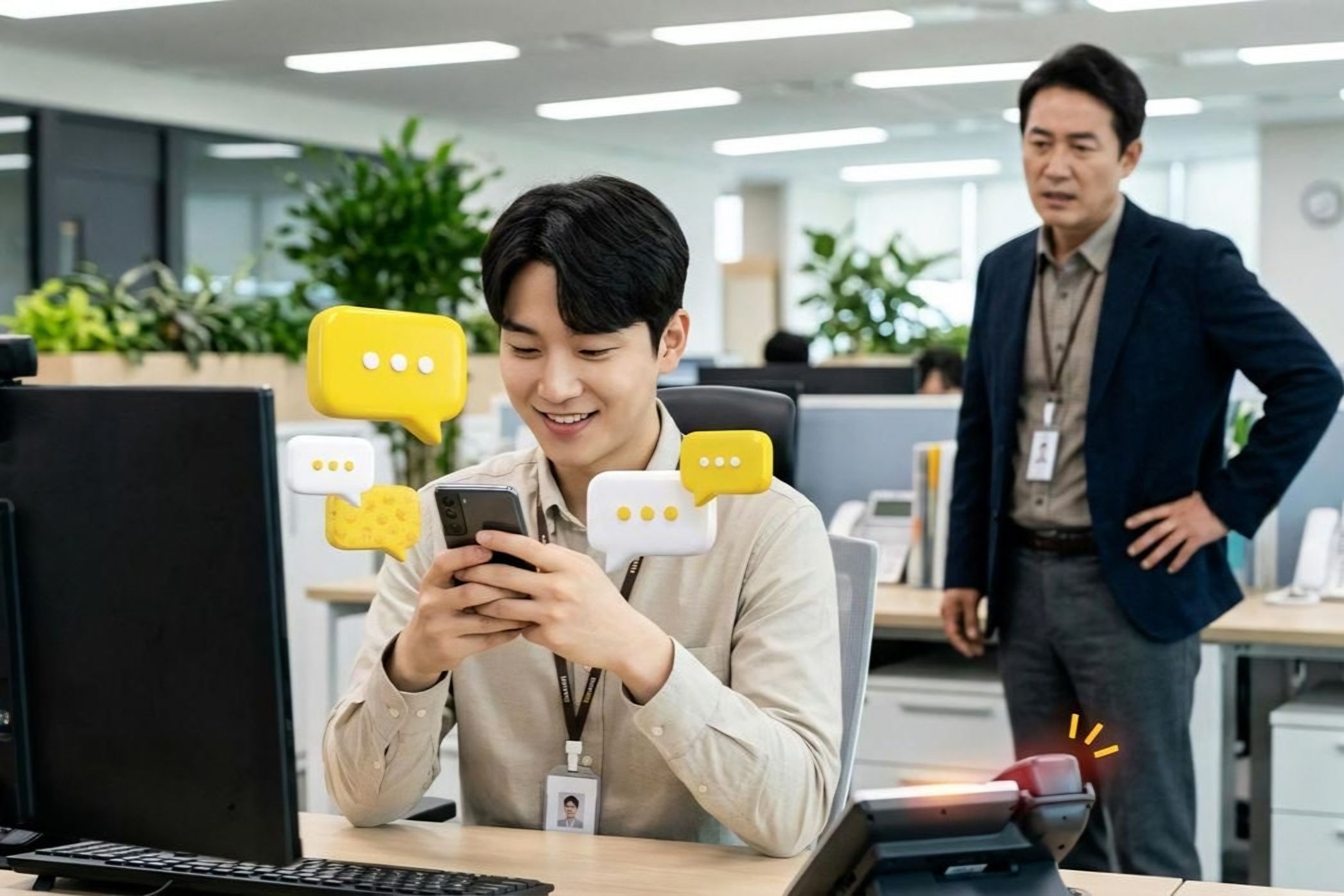
A recent trend in Korean workplaces has generated tension among Gen Z employees and their senior counterparts. New hires, often in their 20s, have been noted to exhibit peculiar communication habits, notably a reluctance to engage with phone calls or most KakaoTalk messages.
Senior employees in their 30s, who collaborate closely with these junior staff members, frequently express frustration. They argue that establishing open lines of communication remains a challenge despite their best efforts. However, the younger workers being criticized offer an alternative perspective. They contend that their approach—striving for precise information exchange while minimizing the risk of miscommunication—is not fully understood.
When asked about the reasons behind their aversion to phone calls, a participant in the 20s offered insight. "We prefer text messages because they allow us to reflect and compose our responses thoughtfully," they explained. This preference is particularly relevant in work-related contexts. The written record left by text messages enables individuals to verify details independently, eliminating the need for repeated inquiries.
The appeal of text communication extends beyond convenience; it also serves as a safeguard against misunderstandings. Even if a conversation is recorded via phone call, the presenter notes that reviewing the recording can be more cumbersome. "We would have to rewind and replay multiple times to grasp the full context," they pointed out, highlighting the practical difficulties of recalling detailed spoken exchanges.
Written by urgent.news from The Korea Times's reporting — not their text. Machine-written — may contain errors; check the original before relying on it.
Also reported by 1 other outlet
- Gen Z workplace communication sparks friction in Korean offices koreatimes.co.kr