Encryption Is Getting Squeezed From All Sides
Canada’s planned surveillance law is the latest grim step in a series of threats to encryption that are spreading around the world.
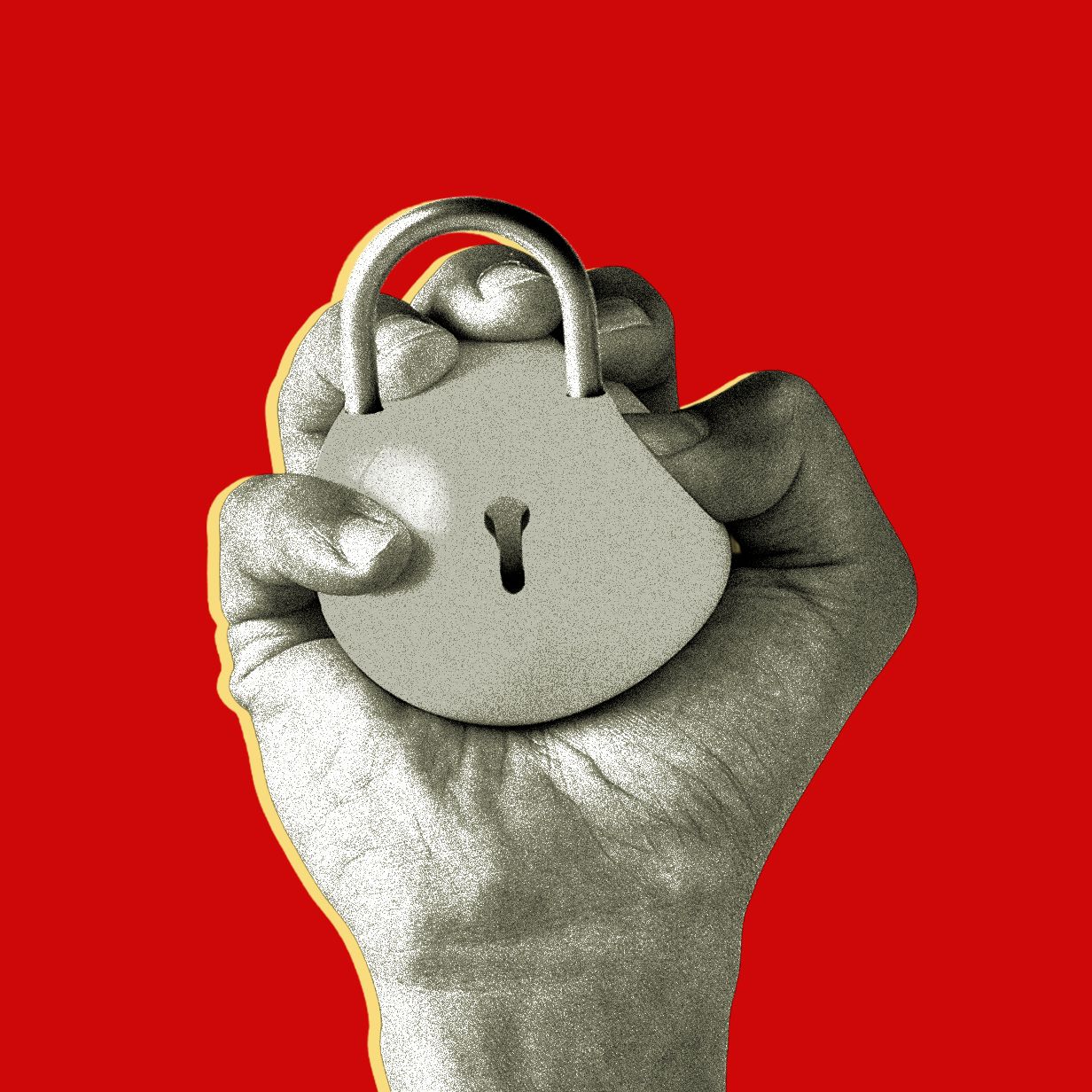
In the latest push for increased surveillance powers, democratic countries worldwide are proposing changes to their surveillance and data collection laws. The Canadian government's proposed C-22 bill is the most recent development, which could mandate backdoors and increase data retention in encrypted services. This has prompted reactions from several privacy-focused companies, including Psiphon VPN, Signal, Apple, Meta, DuckDuckGo, and NordVPN, who have threatened to pull their services from Canada if the bill passes.
The bill allows tech companies to introduce technical capabilities that allow data to be accessed for law enforcement purposes, but critics argue that it would effectively create a backdoor in encrypted products, which could be abused. The US House Judiciary and Foreign Affairs committee has also expressed concern over the potential impacts of C-22, even extending it to companies outside of Canada.
Other countries, such as the UK, Australia, EU, France, India, Ireland, Spain, Sweden, and Switzerland, have also introduced surveillance reforms that compel companies to break their encryption. While no laws have been enacted yet, the hostility to encryption remains clear, and developers focused on privacy and anti-censorship tools are looking for safer jurisdictions to operate in.
However, this doesn't solve the problem of reaching users in all countries, and the strongest protection is holding as little user data as possible.
Written by urgent.news from Wired's reporting — not their text. Machine-written — may contain errors; check the original before relying on it.