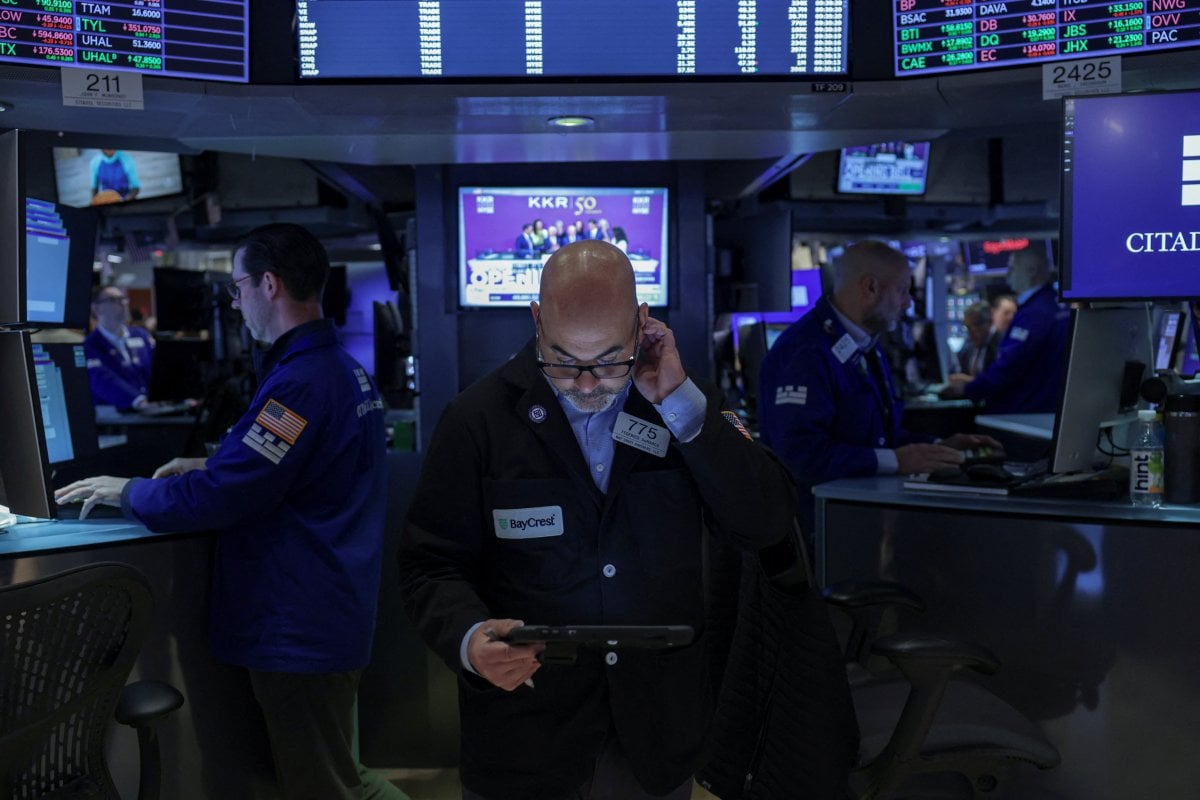
Big US bank stocks log worst weekly losing streak since 2008
Sustained weakness in bank stocks can be a troubling sign for the economy
US bank stocks have experienced their most significant weekly decline since the 2008 Global Financial Crisis, following disappointing quarterly earnings. The KBW Bank Index, comprising 24 major US banks, dropped nearly 1% this week, putting it in correction territory and marking the longest losing streak in six weeks since August. Among the worst performers are Citigroup, State Street, Bank of America, and Morgan Stanley, while JPMorgan Chase stands out as the only significant gainer.
The sector's decline is attributed to a combination of factors, including rising funding costs for AI companies and concerns about the impact of artificial intelligence technology on the financial services industry. The Federal Reserve's aggressive campaign to curb inflation has also added to worries about potential economic slowdown and increased loan losses.
Analysts note that third-quarter results failed to improve the sector's outlook, with stable operating leverage but mixed trading, particularly in fixed-income and equities.
According to Bloomberg Intelligence analyst Herman Chan, the current challenges facing big-bank stocks are significant, as higher-for-longer interest rates raise the risk of slower economic growth and higher loan losses. The gauge has underperformed the S&P 500 Index in 18 of the past 21 trading days since the Federal Reserve raised interest rates on September 16, making this trend unprecedented in rolling 21-session periods since the index's inception in May 1992.
Written by urgent.news from The Business Times - Companies & Markets's reporting — not their text. Machine-written — may contain errors; check the original before relying on it.