Unicef calls for stronger measures to protect children from haze
Unicef Malaysia says children are particularly vulnerable to air pollution because their lungs, brains and immune systems are still developing.
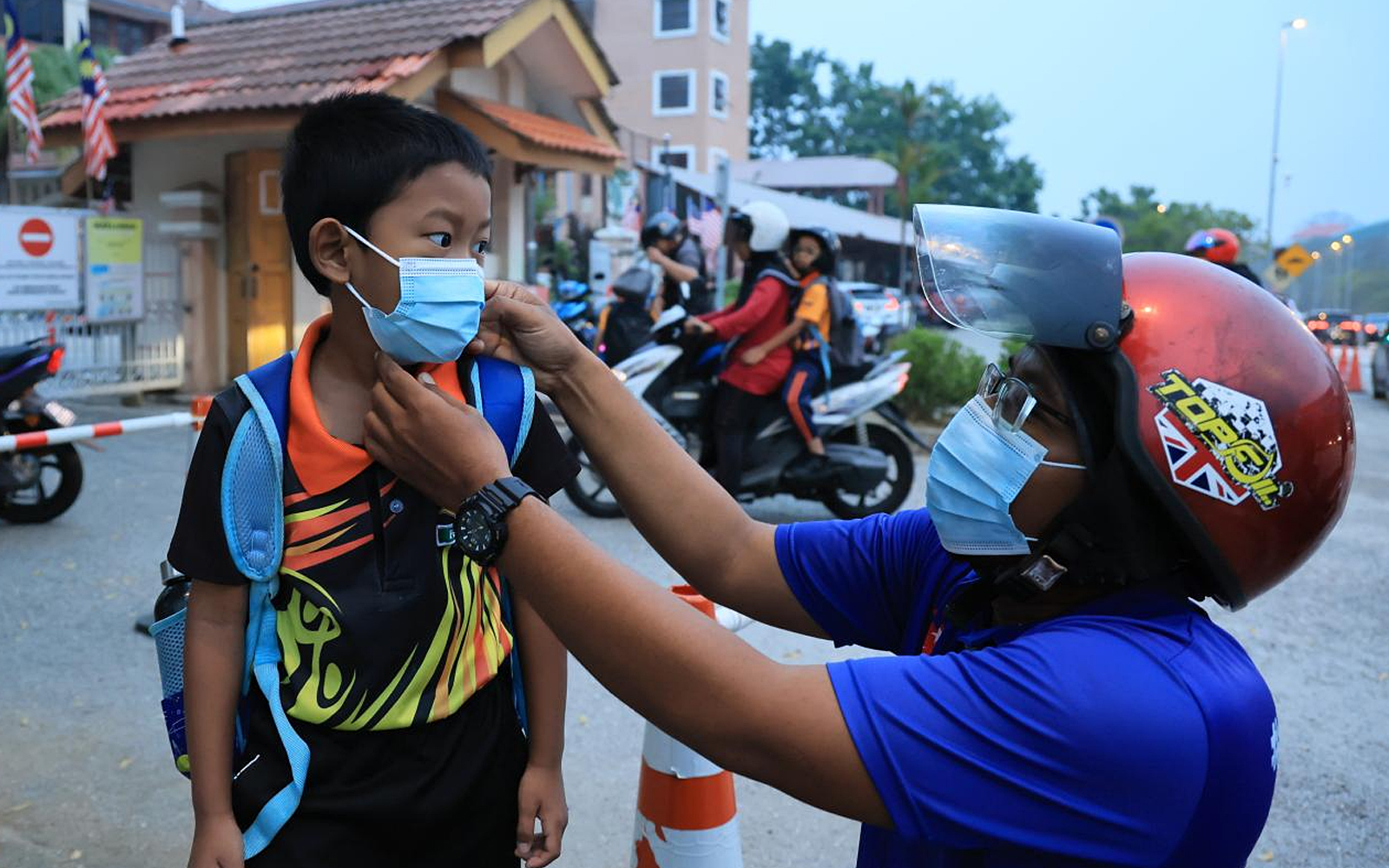
KUALA LUMPUR: The United Nations children's fund, Unicef, has urged for more robust actions to safeguard Malaysia's children from the detrimental effects of the recurrent haze crisis. Approximately nine out of every ten Malaysian children are exposed to dangerous fine particulate matter (PM2.5) which can deeply infiltrate the lungs and bloodstream, potentially leading to grave health complications.
Sanja Saranovic, deputy representative of Unicef Malaysia, highlighted in a recent statement that children are especially susceptible to the adverse impacts of air pollution due to their developing lungs, brains, and immune systems. Exposure to such pollutants could adversely affect their health from the womb to adulthood.
Saranovic outlined a set of four priorities to enhance protection during haze episodes: assisting families in preparing for such situations, ensuring uninterrupted education, ensuring continuous healthcare and social support, and enhancing preparedness plans at schools and clinics. She suggested that families should be provided with clear information on school closures and guidance on minimizing exposure to polluted air.
Schools, in turn, should furnish offline learning materials and self-learning kits for children lacking devices or dependable internet connectivity. Both schools and healthcare centers should incorporate haze preparedness plans into their operations, based on official air-quality data and health recommendations. The use of low-cost air-quality monitors in schools could also be considered as a targeted strategy in areas with high pollution levels, acknowledging the expenses and the priority given to schools with the highest exposure.
Saranovic recognized the necessity of school closures to protect children from poor air quality. However, prolonged absences from school might adversely impact their learning and overall well-being, particularly for those without devices or reliable internet access for remote learning. Schools also function as venues where children can adhere to a routine, interact with trusted adults, form peer connections, and in certain cases, receive essential meals and social support.
Combating the haze crisis necessitates a coordinated effort from Malaysia and its neighboring countries, aiming to prevent forest and peatland fires, augment air-quality monitoring, and ensure greater accountability from governments and businesses. Saranovic emphasized, "Children cannot stop the fires, clear the air, or decide when schools will reopen. They rely on adults to act, and they have a right to be part of those decision-making processes."
Written by urgent.news from Free Malaysia Today's reporting — not their text. Machine-written — may contain errors; check the original before relying on it.
This story
This is one outlet's version. Read the fullest account.
- Unicef calls for stronger measures to protect children from haze freemalaysiatoday.com