The Lessons of History’s Botched Executions
The case of Christa Pike, who survived two lethal injections last month, gives new relevance to strange stories from centuries past.
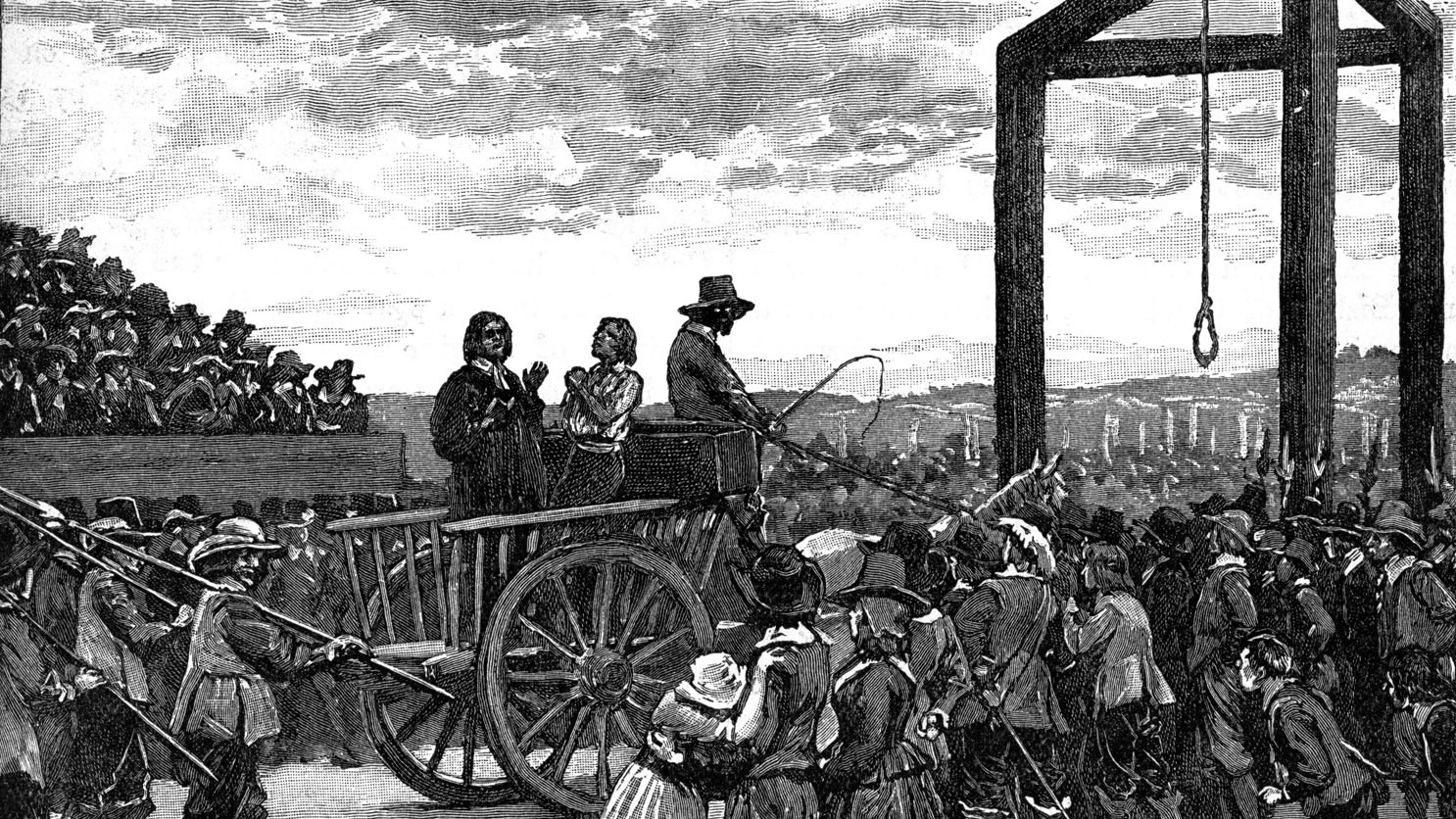
The botched execution of Christa Pike in Tennessee on September 30, 2021, is not an isolated incident: it was not even the first botched execution in the state that year. The practice of attempting lethal injection multiple times is somewhat unusual, but not unprecedented. For instance, Margaret Dickson, a Scottish woman in the early 1700s, was sentenced to hang in Edinburgh for concealing a pregnancy and is believed to be the first woman to be half-hanged after surviving two attempts to execute her.
Joseph Samuel, a convict from England sent to Australia, was also hanged multiple times in 1803 for murdering a police officer. John "Babbacombe" Lee, an Englishman convicted of murder in 1884, was also spared death due to the malfunction of the execution mechanism on two occasions before his sentence was commuted to life imprisonment.
These cases reflect the historical context where mechanical failures and divine intervention were cited as reasons for the suspension of execution. Presently, the U.S. legal framework is under scrutiny after the failed execution attempts of Christa Pike, with advocates arguing that the state has already inflicted an unacceptable level of cruelty.
Written by urgent.news from The Atlantic's reporting — not their text. Machine-written — may contain errors; check the original before relying on it.