The Guardian view on the banks: too big to fail cannot mean too big to tax | Editorial
Financiers owe their windfalls and bonuses to higher interest rates. Britain should reclaim more for the public and resist City lobbying John Healey is planning to tax British banks, the Guardian revealed , in the forthcoming budget. It’s about time for the chancellor to act. Banks have been raking it in. The campaign group Positive Money reported this summer that Britain’s four biggest banks…
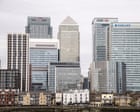
Britain's largest banks made £29 billion in profits during the first half of 2026, a 20% increase compared to the previous year, according to Positive Money. This growth is primarily due to higher interest rates rather than improved products or services, with households and businesses facing higher borrowing costs. The Bank of England also pays the banks billions in interest on their reserves, with the Treasury covering the bill.
Chancellor John Healey plans to implement a tax on banks' windfall gains, restoring the bank surcharge from 3% to 8%, which could generate around £2 billion annually. This modest tax could recover a small fraction of the sector's bonanza. Banks argue they already face higher taxes than other companies and worry about reduced lending and profits, but the levies they face are lower than those imposed on oil and gas companies.
Despite these concerns, higher taxes might require dividend cuts or shareholder payouts, but this should not hinder productive lending. Over the past five years, major UK banks like Barclays, HSBC, Lloyds, and NatWest made £200 billion in profits. Positive Money contends that households lost out on £44 billion in deposit interest in 2025, with money that could have been used for banking services.
However, this figure is five times the average deposited interest rate during 2009-21. The government could consider implementing a more radical approach, such as a 2.5% levy on banks' interest-free deposits, raising over £11 billion annually. Spain has successfully levied a windfall tax on banks' net income above €800 million, yielding £19 billion from the UK arms of the big four banks.
This revenue could fund a comprehensive adult social care system. Banks must balance being public utilities and good corporate citizens. However, the sector's high banker bonuses since the 2008 global financial crisis indicate that the financial industry provides little positive economic performance. Politicians should reject finance lobbyists' demands for growth and instead focus on curbing a finance sector that poses risks to economic stability and growth. As Sir Philip Augar, former banker, stated, "Banks can’t be too big to fail and too big to tax."
Written by urgent.news from Guardian Business's reporting — not their text. Machine-written — may contain errors; check the original before relying on it.