The EU wants an AI revolution. But on whose terms?
As the US and China race ahead, the European Union seeks to boost its economy with AI. Can it compete while protecting workers, safety and the climate?
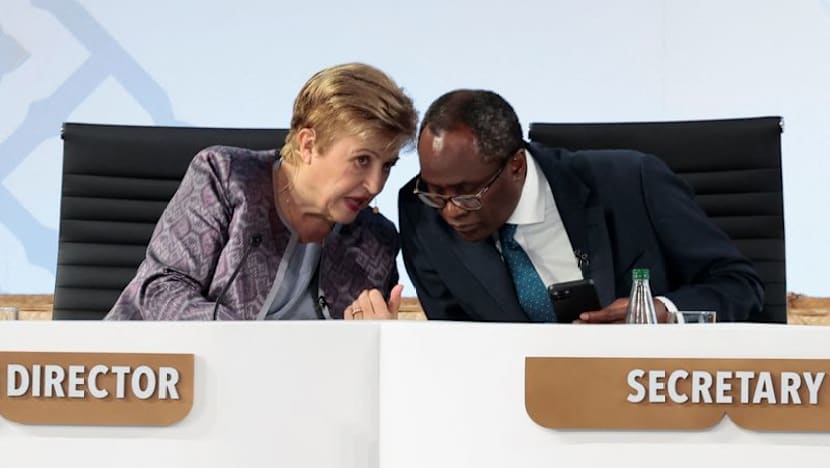
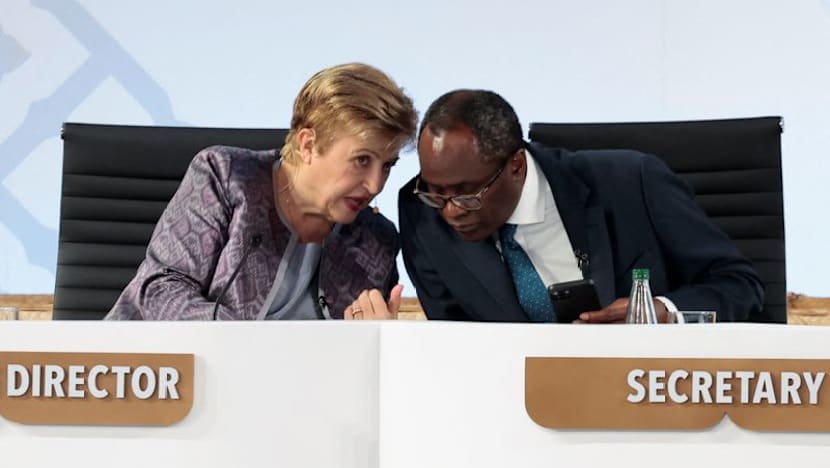
The International AI Summit in Dublin this week aimed to announce Europe's readiness for an artificial intelligence (AI) revolution. Among the over 1,500 expected guests were Google DeepMind co-founder Demis Hassabis and Microsoft president Brad Smith, alongside high-ranking EU and Irish officials. Ireland, as the current EU Council president, hosted the summit as part of its agenda, but some critics accused it of prioritizing tech boosterism over critical perspectives.
The summit centered around how AI could revitalize Europe's stagnant economy, foster innovation, and compete with the US and China. Potential benefits included early cancer detection, improved weather warnings, and optimized power distribution. However, turning these promises into reliable services required rigorous testing and validation.
Dublin's interest in these matters was driven by its status as the home of several major technology companies and its dependence on multinational firms' taxation, which accounted for 87% of the total in 2025. The country's financial reliance on these firms meant Dublin had a vested interest in shaping European AI rules while retaining investors' support.
In comparison to the US, Europe's financial contribution to AI was significantly lower, with private AI investment reaching $286 billion (€253 billion) in the US in 2025, compared to $21 billion (€18.6 billion) in Europe. While Europe could leverage foreign AI models to accelerate business, this dependency on foreign suppliers could result in price fluctuations and restricted access to capabilities.
EU representatives at the summit emphasized the importance of rules to harness AI's benefits while minimizing its risks. Michael McGrath, the Irish commissioner responsible for democracy, justice, the rule of law, and consumer protection, highlighted the need for appropriate safeguards. The AI Act bans specific practices and imposes stricter requirements on sensitive AI uses, with relevant regulations set to take effect in 2027 and 2028.
Nevertheless, critics argued that the delayed implementation of these protections was driven by the pressure to compete. Barry O Sullivan, an AI professor at University College Cork, disagreed with those who believed regulation and innovation were incompatible. He pointed to the pharmaceuticals and medical devices sectors as examples where regulation and innovation coexisted.
However, protesters outside the summit remained skeptical of politicians' and tech firms' assurances. Paul Murphy, an Irish lawmaker from the socialist People Before Profit party, criticized the low bar for regulations and called for civil society, trade unions, and politicians to discuss how AI should develop and how limited resources should be utilized. Union representative Fionnuala Ní Bhrógáin expressed concerns about the potential negative impact of AI on workers' autonomy and bargaining power.
Industry leaders, including Google's Hassabis and Microsoft's Smith, acknowledged the need for boundaries and advocated for international oversight following cybersecurity breaches. They also stressed the importance of law and regulation to address AI-related failures.
Written by urgent.news from DW English (Top Stories)'s reporting — not their text. Machine-written — may contain errors; check the original before relying on it.
This story
This is one outlet's version. Read the fullest account.