The EU wants an AI revolution. But on whose terms?
As the US and China race ahead, the European Union seeks to boost its economy with AI. Can it compete while protecting workers, safety and the climate?
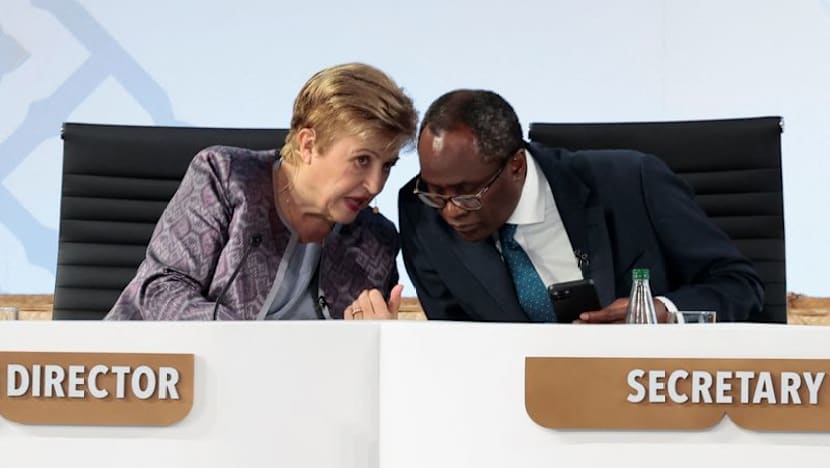
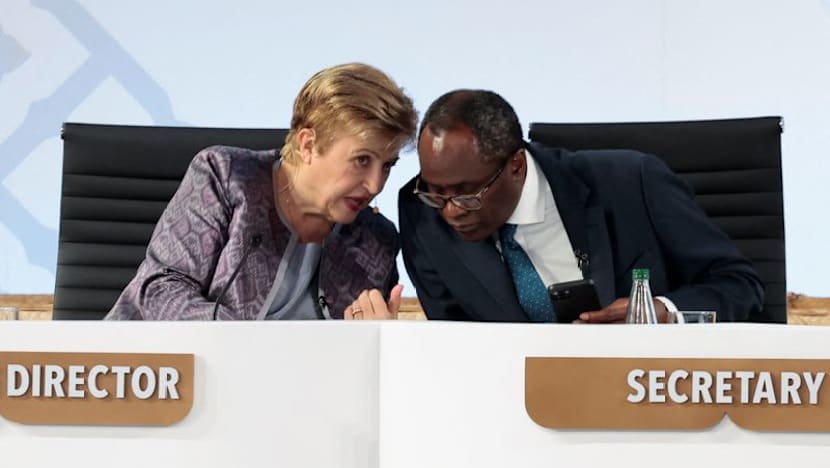
The International AI Summit, hosted in Dublin this week, aimed to declare Europe ready for its artificial intelligence (AI) revolution. High-profile figures such as Google DeepMind co-founder and chair Demis Hassabis and Microsoft president Brad Smith attended. However, the absence of critical voices has led to accusations of tech boosterism. The summit, a part of Ireland's presidency of the EU Council, focused on using AI to boost Europe's economy, innovation, and catch up with the US and China.
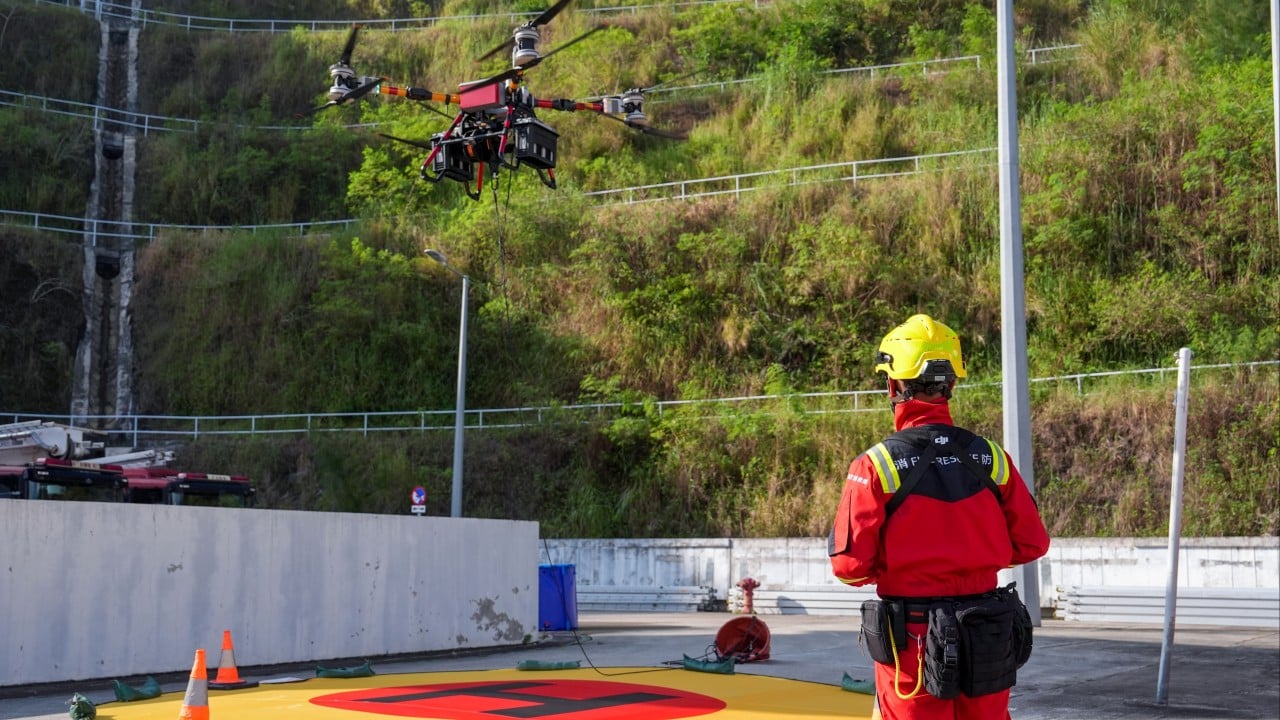
Attendees showcased potential AI benefits like early cancer detection, improved weather warnings, and optimized power distribution. However, turning these promises into reliable services requires testing and validation. Ireland's interest in AI stems from hosting major tech companies and their dependence on their taxation. Despite this, Europe's financial power lags behind the US. Private AI investment reached $286 billion in the US in 2025, compared to $21 billion in Europe.
EU representatives emphasized the need for rules to reap AI's benefits while mitigating risks. The AI Act bans certain practices and imposes stronger requirements on sensitive uses, with Omnibus amendments simplifying compliance. Rules for employment and education now apply from December 2027, and for AI embedded in regulated products from August 2028. Critics argue that delaying protections under pressure to compete undermines their impact.
Protesters outside the summit criticized the assurances made by politicians and tech firms, arguing that Europe's regulations are weaker than those in the US. Union representative Fionnuala Ní Bhrógáin questioned who would benefit from increased productivity, fearing that optimization could lead to higher pressure on workers. Industry leaders, however, acknowledged the need for boundaries, calling for international oversight following concrete failures.
The sustainability of AI is also a concern, with O Sullivan advocating for the sector to reduce its overall energy footprint.
Written by urgent.news from DW News's reporting — not their text. Machine-written — may contain errors; check the original before relying on it.