On this day in space! Oct. 16, 1975: NASA launches the 1st-ever GOES weather satellite to watch Earth from space
On Oct. 16, 1975, NASA launched the first operational GOES weather satellite. Here's why it mattered.
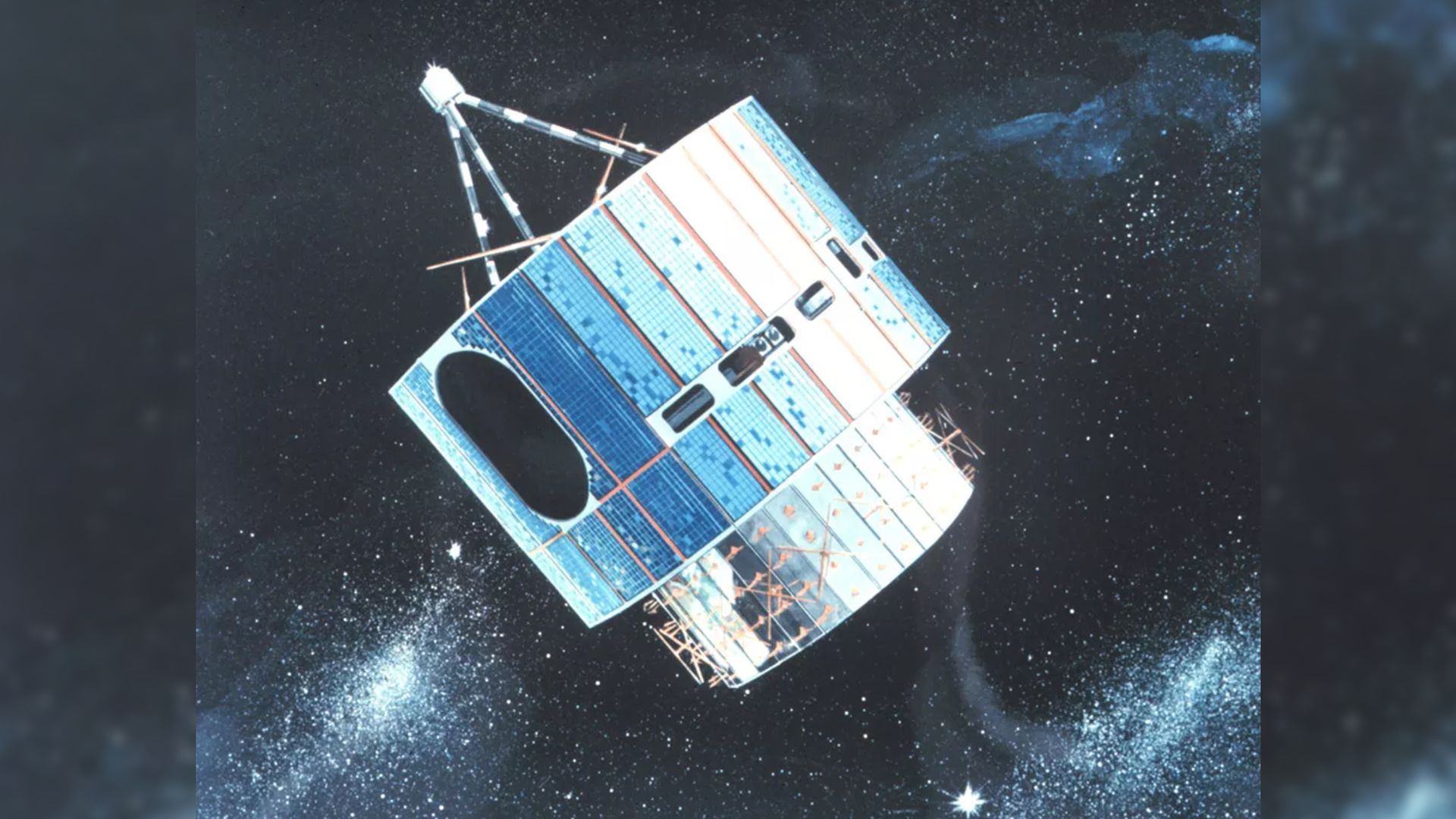
On October 16, 1975, NASA embarked on a groundbreaking mission by launching the first operational GOES satellite, designated as GOES-A. This marked the beginning of a series of weather satellites that NASA collaborates with the National Oceanic and Atmospheric Administration (NOAA) to jointly operate. The name GOES is an abbreviation for Geostationary Operational Environmental Satellite. GOES-A embarked on its journey aboard a Delta rocket, launched from the Cape Canaveral Space Force Station in Florida.
Geostationary satellites, like GOES-A, maintain a constant position relative to Earth's surface, facing one specific area - in this case, the Indian Ocean. Post the successful operation of GOES-A, it was subsequently renamed GOES-1. Over the years, the GOES satellite fleet has expanded, playing a crucial role in tracking Earth's weather from space. In 2016, NASA and NOAA launched GOES-R, the first satellite in the next-generation GOES series, with more satellites to follow in the years that followed.
The significance of GOES-A cannot be overstated. Before its launch, weather forecasts were not as readily available as they are today. GOES-A provided forecasters with their first real-time glimpse into atmospheric conditions from a fixed location. The satellite, which launched with a Visible/Infrared Spin Scan Radiometer (VISSR), was able to capture Earth observations both during the day and night, tracking clouds and surface temperatures.
Despite only being able to observe Earth for 10% of the time due to its spin-stabilized design, GOES-1 provided the most up-to-date satellite observations available to weather forecasters.
GOES-1 served diligently until March 7, 1985, when it was decommissioned. However, during its operational life, NASA and NOAA launched five more successors: GOES 2, 3, 4, 5, and 6. The 50 years of GOES data have been instrumental in short-term forecasts and warnings of severe weather and environmental hazards in the Western Hemisphere, as well as forecasts and warnings of space weather hazards.
With the launch of the first next-generation GOES satellite, GOES-R in 2016, NOAA has since launched three additional satellites, most recently the GOES-U weather satellite in 2024.
Written by urgent.news from Space.com's reporting — not their text. Machine-written — may contain errors; check the original before relying on it.