Marissa Mayer: Anyone who says they know how AI will play out is ‘either lying or arrogant or both’
The former Yahoo CEO, who just launched AI assistant startup Dazzle AI, says the odds still favor an AI future that’s good for science, creativity and busy parents.
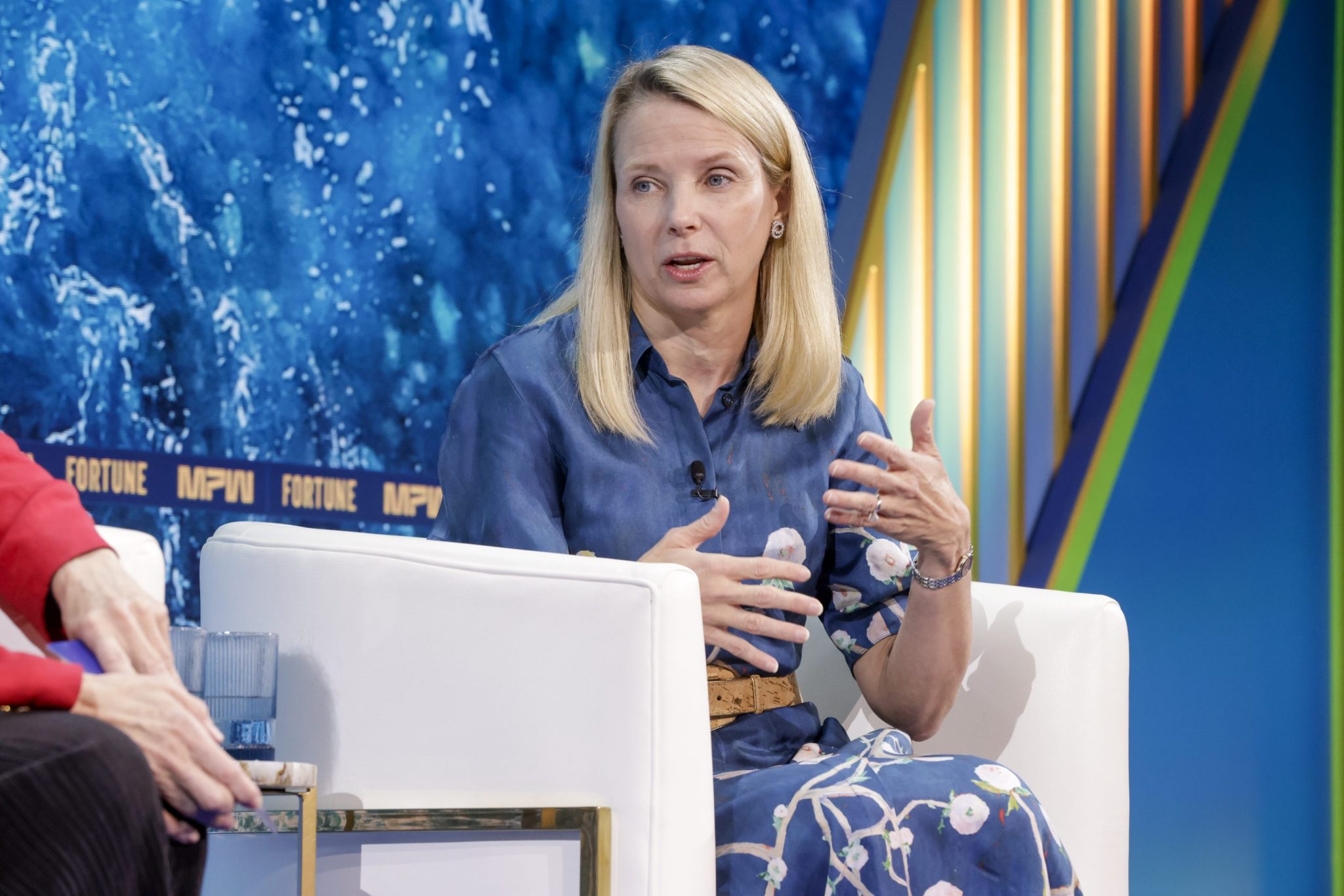
Marissa Mayer, a seasoned Silicon Valley builder, warned that anyone claiming to accurately predict the future of AI is either lying or arrogant. Addressing a debate on frontier AI labs at the Most Powerful Women Summit, Mayer stated, "We have to acknowledge that there is a possibility that things won’t go well," though she believed the odds of a negative outcome were "well less than 50%."
This optimism was not unfounded; she highlighted potential medical and science breakthroughs, as well as the concept of freeing people from time-consuming tasks. However, she acknowledged that public sentiment in the U.S. has turned against AI, and she admitted the industry might have contributed to this perception with its "cavalier" early positioning.
Mayer, who has seen tech titans rise through her own career—from Google to Yahoo to founding and selling Sunshine to Dazzle AI—also emphasized the importance of regulation and collaboration among AI labs. She admitted that the initial hype around AI might have left people questioning its impact on jobs, families, and children's futures, but she maintained that AI could improve these aspects.
Regarding Dazzle, the personal AI assistant she co-founded, Mayer explained that it utilizes context learned from users' photos to create a to-do list, handling tasks like booking travel or managing schedules. Privacy is respected, with users able to grant varying levels of access to their data. While Dazzle started as an invite-only service, Mayer hinted at future subscription fees.
Notably, the early adopters of Dazzle were predominantly men, though Mayer expressed hope that her product and AI technology would eventually find a larger audience, including women.
Written by urgent.news from Fortune's reporting — not their text. Machine-written — may contain errors; check the original before relying on it.