Mahama unveils $2bn annual investment to accelerate industrialisation
President John Dramani Mahama has outlined plans for an annual investment of $2 billion over four years under the government’s proposed $10 billion New Economy Programme to boost industrialisation, increase production and create jobs. The initiative is also aimed at positioning Ghana as a major manufacturing and logistics hub in West Africa. President Mahama said […]
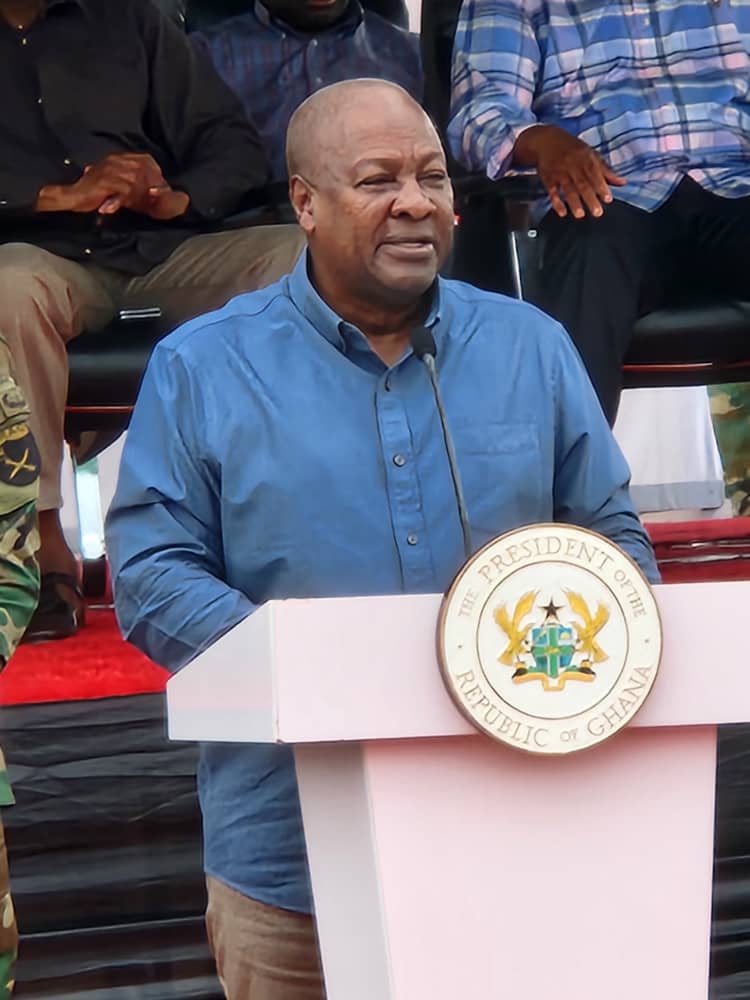
President John Dramani Mahama announced a groundbreaking plan to inject $2 billion annually into Ghana's industrial sector over the next four years. This ambitious initiative, part of the government's $10 billion New Economy Programme, aims to ignite industrial growth, elevate production levels, and generate employment opportunities. The plan seeks to position Ghana as a leading manufacturing and logistics hub within West Africa.
A significant aspect of the plan is the allocation of half of the investment, or $1 billion, to bolster agricultural and agro-processing sectors. The remaining funds will be directed towards industrial development and infrastructure projects designed to connect producers with markets. This strategic distribution is expected to bolster domestic production, generate more job opportunities, and help Ghana achieve its goal of becoming a regional industrial powerhouse.
During a sod-cutting ceremony on Thursday, October 15, 2026, to initiate the construction of the Afienya Industrial Park, Mahama emphasized the importance of this venture in response to the growing interest from investors. The park is poised to augment Ghana's industrial capacity, attract both local and foreign investments, and create additional employment opportunities.
To ensure the success of this ambitious plan, Minister for Trade, Agribusiness and Industry, Elizabeth Ofosu-Adjare, stressed the critical role of securing land, free from legal disputes, to facilitate industrial development. With two decades of legal experience, Ofosu-Adjare highlighted the importance of collaborating with traditional authorities and local communities.
She underlined that resolving land issues before embarking on projects would prevent costly delays, thereby creating a more conducive environment for industrial investment.
Written by urgent.news from Adom Online's reporting — not their text. Machine-written — may contain errors; check the original before relying on it.
This story
This is one outlet's version. Read the fullest account.