Kone: la inteligencia que aprende de miles de reparaciones
La compañía de ascensores dota a 15.000 técnicos de un asistente de IA para ayudarles a localizar y reparar los fallos con celeridad. Leer
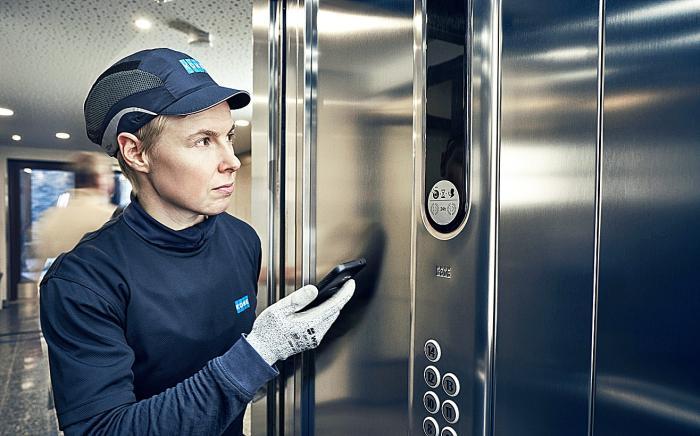
Kone, a global elevator company, has deployed an artificial intelligence (AI) tool called Technician Assistant to 15,000 maintenance technicians worldwide, including Spain. The AI-powered solution, fed by the company's network of nearly 800,000 connected devices, helps technicians diagnose issues in elevators and mechanical lifts more quickly by accessing technical documentation, service histories, and previous repair cases.
Kone's Director of Services, Marco de Flora, explains that the platform combines operational data, technical manuals, and previously solved cases to provide recommendations during interventions. The AI tool assists in analyzing vast amounts of information within seconds, but the final decision remains with the technician's expertise and judgment.
In one example, during the analysis of an incident, the AI initially suggested a problem related to the elevator's actuation system. However, upon reviewing the available information and comparing it with thousands of similar cases, the AI recommended inspecting a magnetic sensor located in a plant. The technician followed the advice and discovered that the fault originated from that component.
De Flora emphasizes that while AI does not replace the need for experts in complex cases, it helps identify issues more rapidly than relying solely on professional judgment.
Kone utilizes the AI tool for predictive maintenance, analyzing real-time data from connected devices to detect anomalies and anticipate potential failures. The company claims that these systems can identify up to 80% of potential failures before they impact service. The AI-driven systems have led to a 55% reduction in user entrapments and nearly a quarter of incidents being resolved remotely within two minutes.
De Flora states that the impact of AI extends beyond technical diagnosis, as it optimizes resource management by helping prioritize interventions, determine remote fixes, and select the appropriate professional. He concludes that the data analysis allows for improved planning of routes and visits, reducing unnecessary trips and anticipating interventions before they affect users, contributing to both productivity and sustainability.
Written by urgent.news from Expansion ES's reporting — not their text. Machine-written — may contain errors; check the original before relying on it.