India’s consistently rich more prone to heart disease than the poor: study
The cardiac conditions among the sustained rich in India ranged from a higher likelihood of congestive heart failure, heart attack, abnormal heart rhythm, heart diseases and composite cardiovascular disease, the study dound
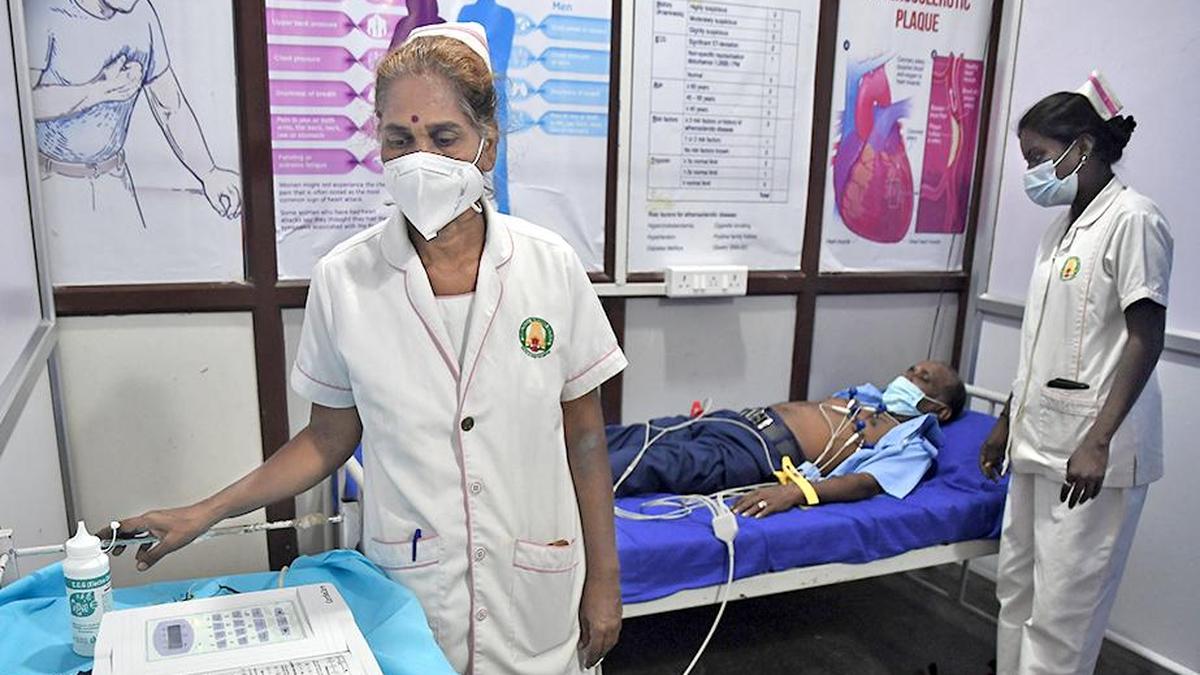
A recent study has revealed that consistently rich individuals in India are more prone to heart disease than their poorer counterparts. Conducted by the All India Institute of Medical Sciences and Harvard T.H. Chan School of Public Health, the research analyzed 65,364 Indians aged 45 and older, including rural and urban residents, men and women, as well as various religious and caste groups.
The study examined heart health in relation to life-course socioeconomic mobility, such as consistently high economic positions, upward and downward mobility, and consistently low economic positions.
The researchers found that those with sustained life-course socioeconomic advantage had nearly twice the odds of heart failure (1.8 times) and 1.7 times the chances of a heart attack compared to those who experienced sustained socioeconomic disadvantage. Heart failure patients in India, on average, die 10 years earlier than those in high-income countries, with rheumatic heart disease and congenital heart disease causing higher mortality rates than ischemic heart disease.
Several factors may contribute to the increased prevalence of heart disease among the rich in India. Lead author Imnameren Longkumer and senior author S.V. Subramanian suggested that economic advancement could increase access to processed foods, refined carbohydrates, sugary beverages, and energy-dense diets, while also reducing physical activity due to less physically demanding occupations and domestic life.
The study highlights the need to address the changing socioeconomic patterns in India, as cardiovascular disease and its risk factors become more widespread among disadvantaged groups.
Written by urgent.news from The Hindu - Sci-Tech's reporting — not their text. Machine-written — may contain errors; check the original before relying on it.