In the new world order, expect fewer alliances and more ‘pop-up partnerships’
“America has no permanent friends or enemies, only interests.” The observation, widely attributed to Henry Kissinger but originating with the British statesman Lord Palmerston, has long captured the logic of international relations. Nearly two centuries later, it may offer the clearest explanation of the new world order taking shape. For much of the past century, international relations were…
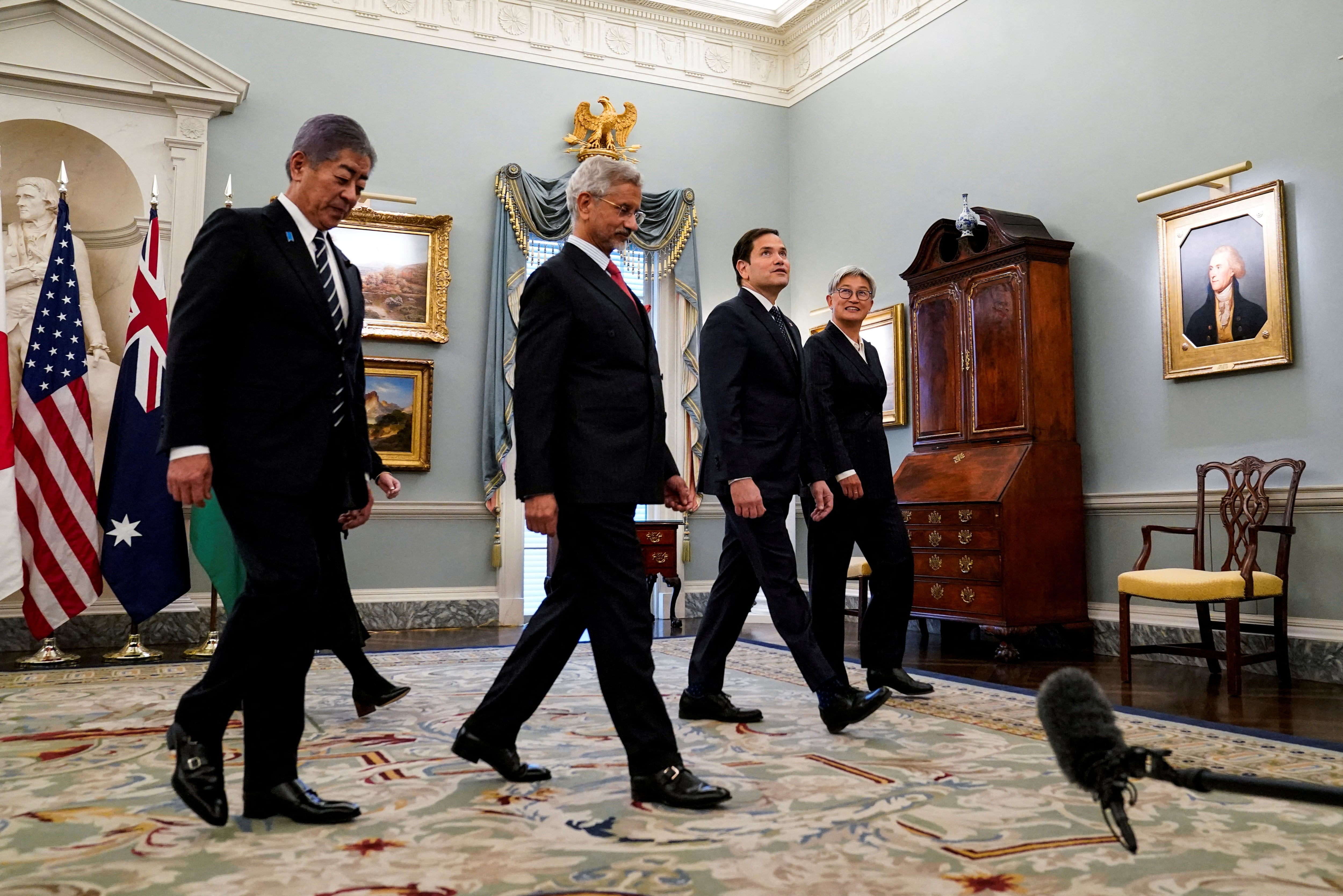
In today's evolving global landscape, the traditional concept of permanent alliances and blocs is giving way to more fluid and purpose-driven partnerships, often referred to as "pop-up alliances." This shift in international relations is exemplified by various countries, such as India, which actively participates in multiple coalitions like the Quad, Brics, and maintains relationships with both Russia and Western nations.
Similarly, the United Arab Emirates balances its membership in Brics with extensive security partnerships with the West and economic ties through various partnerships across Europe, Asia, and Africa.
These evolving relationships are not mutually exclusive, but rather reflect a more strategic, issue-driven approach to international cooperation. Canadian Prime Minister Mark Carney further emphasized this shift, advocating for "variable geometry" in international relations, where different coalitions are formed for specific issues, rather than sticking to long-term affiliations with major powers.
This emerging model of international relations, known as "pop-up governance," involves flexible partnerships formed around specific challenges and objectives, which may dissolve once their purpose is fulfilled. Traditional institutions like the UN, EU, GCC, and ASEAN will continue to exist, but they may lose some of their influence as countries seek to form more targeted and efficient alliances.
Countries such as the UAE, Saudi Arabia, Canada, India, and Indonesia are becoming coalition entrepreneurs, bringing together various nations based on shared capabilities and interests, rather than solely on geographical proximity. This shift in international relations challenges the geographical foundations of traditional alliances and highlights the strategic importance of supply chains, technologies, and resources that countries cannot afford to lose.
Written by urgent.news from The National UAE's reporting — not their text. Machine-written — may contain errors; check the original before relying on it.
Also reported by 1 other outlet
- In the new world order, expect fewer alliances and more ‘pop-up partnerships’ thenationalnews.com