How Mexico is using AI to find legions of missing children
Mexico is leveraging AI tools like Regresa and mapping initiatives to aid in the search for over 134,000 missing persons, offering hope to families like Veronica Rosas’ in the face of prolonged investigations and cartel violence.
Veronica Rosas, one of many mothers in Mexico searching for a missing child, remains uncertain about her son Diego's whereabouts after he vanished 11 years ago. The state prosecutor's office has not identified the criminal gang responsible for his kidnapping, nor confirmed whether he is still alive. Tens of thousands of Mexicans are grappling with similar grief and uncertainty.
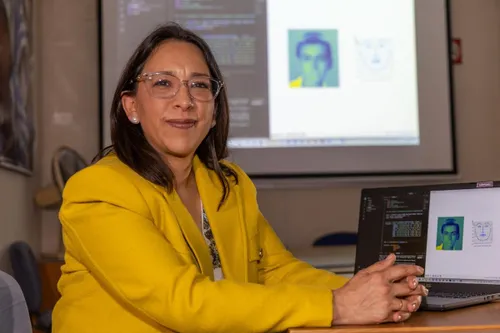
Two universities in Mexico are now pioneering artificial intelligence (AI) tools in the pursuit of these missing individuals. Regresa, developed by the country's leading public university UNAM, employs anthropometry to generate updated images of minors based on their original missing persons posters. This enables families to see potential changes in their loved ones' appearances over time.
The AI tool's developers tailored the image bank to better reflect Mexican features, using a diverse dataset from 75 volunteers. Another AI-driven project by an anthropologist at Ibero-American University maps missing individuals by gender, age, and circumstances of disappearance to aid families in their relentless search efforts.
Karla Lechuga, whose son Jeshua disappeared recently, has established a "peace box" network in churches across Mexico to gather information. These innovative AI applications could prove transformative for families like Rosas', offering hope amidst the ongoing anguish of missing children.
Written by urgent.news from IOL's reporting — not their text. Machine-written — may contain errors; check the original before relying on it.