Early-onset Alzheimer's disease looks very different to late-onset version: study
Cardiovascular risk factors, alongside advanced age, are among the best-known risk factors for the neurodegenerative disease, the researchers said
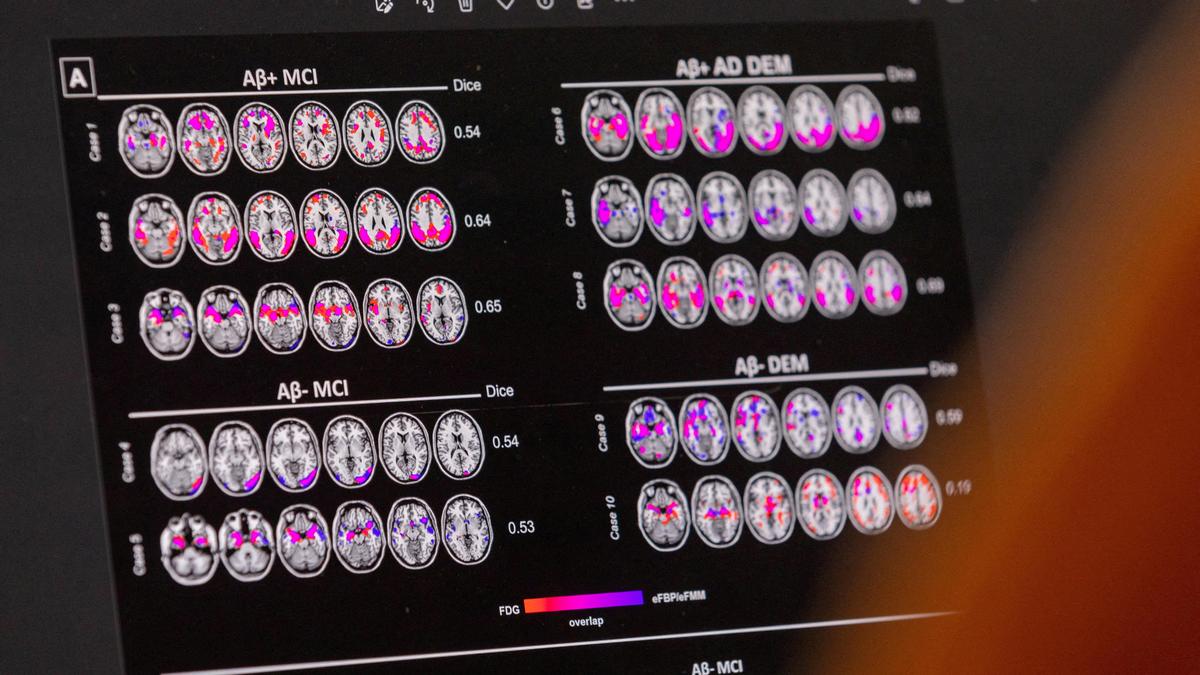
A new study has revealed that early-onset Alzheimer's disease manifests with distinct symptoms and health issues compared to its late-onset counterpart. Conducted by researchers from the University of Oulu and the University of Eastern Finland, the study found that individuals diagnosed with Alzheimer's before turning 65 tend to experience a wider array of health problems, particularly in the five years leading up to their diagnosis.
Symptoms such as depression, dizziness, headaches, traumatic brain injuries, epilepsy, cerebrovascular disorders, thyroid diseases, and alcohol-related issues were more prevalent among early-onset Alzheimer's patients. Tinnitus (ringing in the ears) and hearing loss were also found to be more common six to ten years prior to diagnosis.
Interestingly, cardiovascular risk factors typically associated with Alzheimer's disease, including high blood pressure and hyperlipidemia, were not significantly more common among early-onset sufferers than in a control group of healthy individuals. This suggests that the onset of the disease may involve different mechanisms than late-onset Alzheimer's.
The study also noted that healthcare utilization increased markedly during the five years leading up to diagnosis, with a steeper rise in medical visits occurring in the final year. This surge in healthcare visits highlights the growing burden of health conditions experienced by early-onset Alzheimer's patients as the disease progresses.
These findings, published in the journal Alzheimer's and Dementia, challenge the notion that early-onset Alzheimer's is merely a younger version of late-onset Alzheimer's, indicating that it may involve unique underlying mechanisms.
Written by urgent.news from The Hindu Health's reporting — not their text. Machine-written — may contain errors; check the original before relying on it.
This story
This is one outlet's version. Read the fullest account.
- Endothelial CD36 links arteriolar remodeling to metabolic and immune alterations in Alzheimer's disease biorxiv.org
- Alzheimer's blood biomarker tracks brain amyloid similarly across racial groups, study finds medicalxpress.com
- Early-onset Alzheimer's disease looks very different to late-onset version: Study health.economictimes.indiatimes.com
- Arrowhead’s brain-targeting RNA drug lowers Alzheimer’s protein in early study endpoints.news
- Early-onset Alzheimer's disease looks very different to late-onset version: study thehindu.com
- Scarred blood vessels may be one clue to APOE4’s Alzheimer’s risk sciencenews.org