Beauty during breast cancer treatment: Products to use and ingredients to avoid
With so many aspects of life upturned and disrupted by a cancer diagnosis and subsequent treatment, some women find that sticking to usual routines can support emotional stability and a sense of control during an uncertain period. “For me, maintaining my skincare routine was a way of looking after myself and holding on to a sense of normality during a challenging time,” says breast cancer…
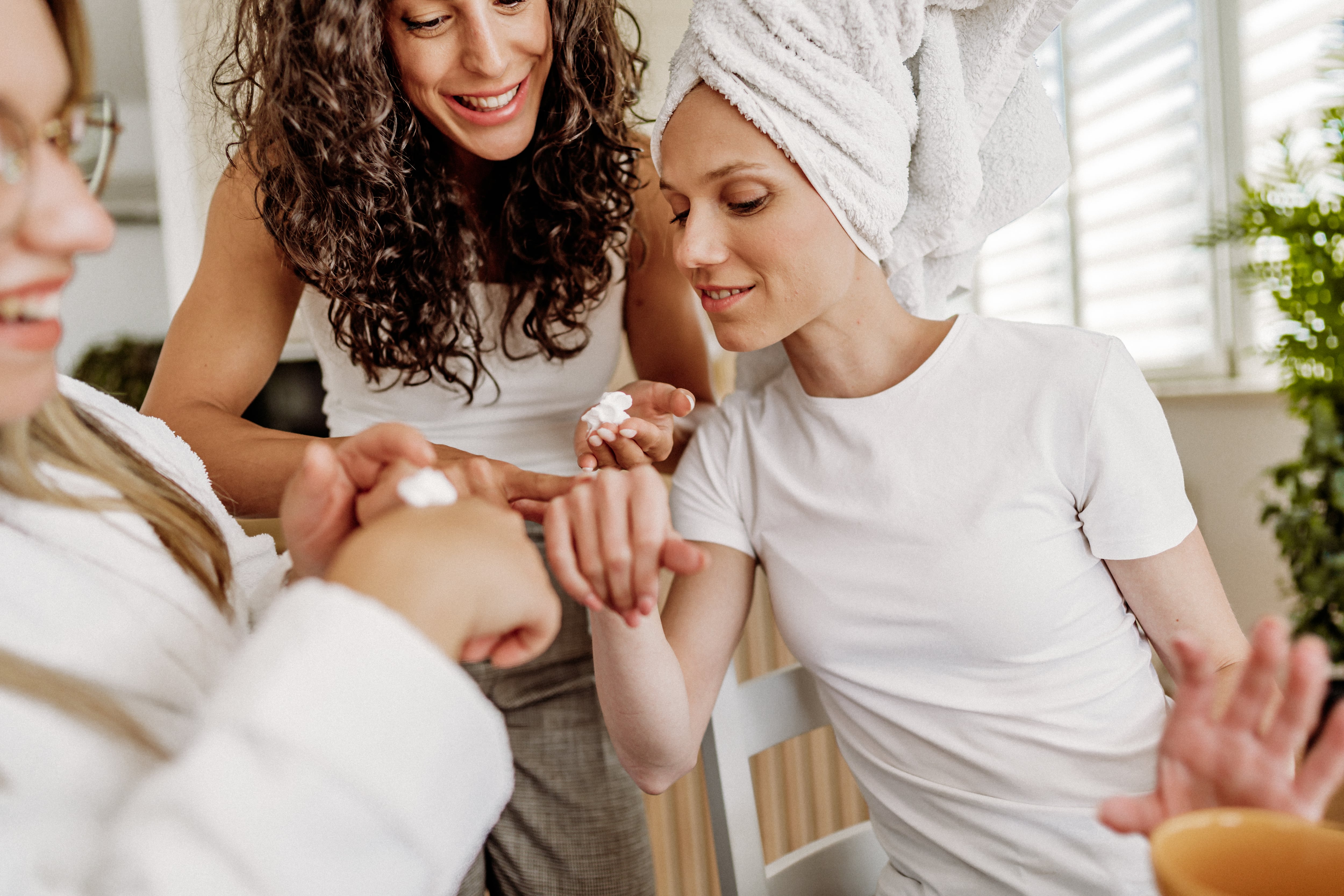
Breast cancer treatments can cause significant skin changes, including dryness, itching, roughness and painful cracks. Chemotherapy leads to hair loss, nail changes and hand-foot syndrome, while radiation dermatitis is a common side effect of radiotherapy. Targeted therapies may cause acne-like eruptions and nail fold inflammation, immunotherapy can result in intense itching and eczema-like rashes, and hormone therapies may trigger menopausal skin changes like dryness, thinning and loss of elasticity.
Dr Catherine Borysiewicz, an onco-dermatology specialist, explains that cancer treatments affect the skin in three main ways: weakening the skin barrier, targeting hair and nails, and altering immune and cellular pathways in the skin. This disruption can cause dryness, itching, roughness, and painful cracks in the skin.
For cancer patients, it is essential to avoid certain beauty ingredients and treatments that could compromise skin immunity and integrity, wound healing, and increase the risk of bleeding or infection. Avoidance of beauty treatments like deep tissue sculpting, Botox, dermal fillers, aggressive chemical peels, lasers, high-intensity focused ultrasound, manicures or pedicures is advised during active treatment for breast cancer.
The compromised skin barrier may react negatively to ingredients like fragrances, essential oils, and alcohol found in perfumed moisturizers, body washes, and bath oils.
Patients should also be cautious with retinoids, benzoyl peroxide, and products containing parabens or plant oestrogens, especially those with hormone-sensitive cancers. Packaging matters, too, as pumps and tubes reduce the risk of bacterial contamination compared to open-mouth jars, which is crucial when skin is fragile and immunity may be lowered.
For patients like Fadwa Hussein, adapting one's self-care routine is vital to maintaining a sense of normality during treatment. This may involve using eyebrow pencils, minimal makeup, or gentler cleansing products like Johnson’s and Sebamed during radiation therapy. Self-care remains an essential part of coping with breast cancer, even during active treatment and other commitments.
Written by urgent.news from The National Business's reporting — not their text. Machine-written — may contain errors; check the original before relying on it.
Also reported by 1 other outlet
- Beauty during breast cancer treatment: Products to use and ingredients to avoid thenationalnews.com