Constitutional reform paralysis
Following in the futile steps of the late former John Evans Atta Mills and Nana Akufo-Addo administrations, the John Mahama in his second administration has also embarked on Constitutional reforms. Our Governments appear convinced that Constitutional reforms will cure most of our ills, which mostly, originate from them. The truth is that no constitution can […]
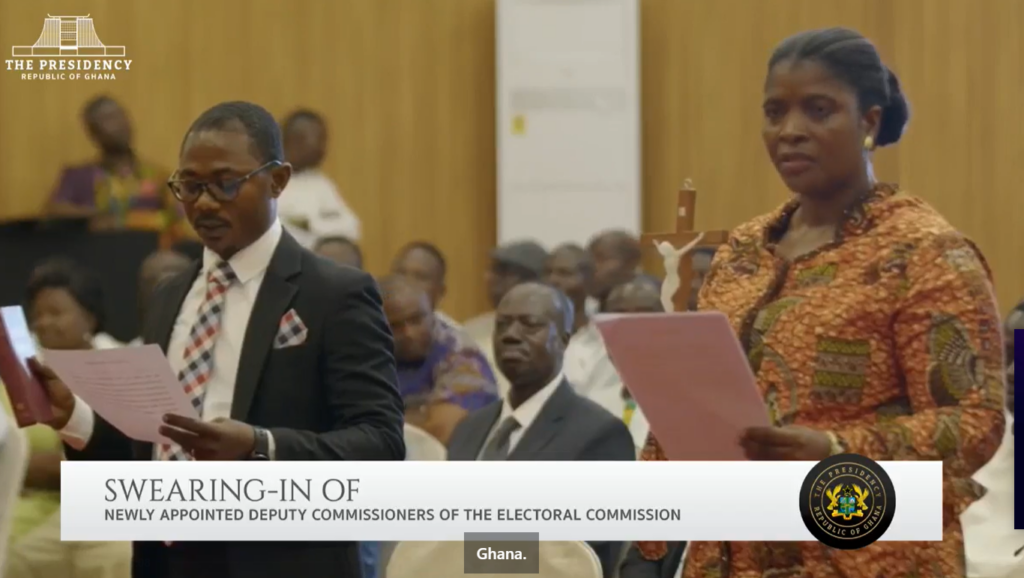
Ghana's governments, including the current one led by President John Mahama, are currently engaged in constitutional reforms. However, these governments seem to believe that these changes will resolve the country's problems, which they claim primarily stem from poor governance. In reality, a constitution's effectiveness is not determined by its length; the US constitution, the oldest still in use, is only one-third the size of our constitution. Despite this, we can still improve upon our current framework.
The recent appointments made by the President, such as the choice of Emelia Agbenyo for a position within the Electoral Commission, highlight the flaws in our constitution. The president must obtain parliamentary approval for his ministers, but the electoral commission officials are chosen with only the Council of State's non-binding advice.
Furthermore, the choice of Ms. Agbenyo has been questioned, particularly due to her past association with the National Democratic Congress (NDC). The hypocrisy surrounding these appointments and the subsequent scrutiny of them raises concerns about the neutrality of these bodies.
While the NPP and some civil society groups have raised valid concerns about the constitutional review process, they also acknowledge the impracticality of their demands. The proposed modifications, such as separating the executive from the parliament, directly electing MMDCEs, and addressing accountability, are indeed significant. However, the process has been marred by partisan appointments, which undermine trust in our democratic institutions.
Addressing these issues requires more than just constitutional changes; it demands a shift in character and a commitment to holding those in power accountable. The Supreme Court's ruling on the "Delegates case" serves as a reminder of what reforms should look like. It is crucial that we elect leaders who are dedicated to the well-being of the nation rather than those who prioritize personal gain.
By doing so, we can ensure that our institutions function effectively and that Ghana moves forward as a united and prosperous nation.
Written by urgent.news from Adom Online's reporting — not their text. Machine-written — may contain errors; check the original before relying on it.