Behind the business of Saskatchewan sheep farming
Sheep farming, while a smaller agricultural sector in Saskatchewan, is growing to meet national demand.
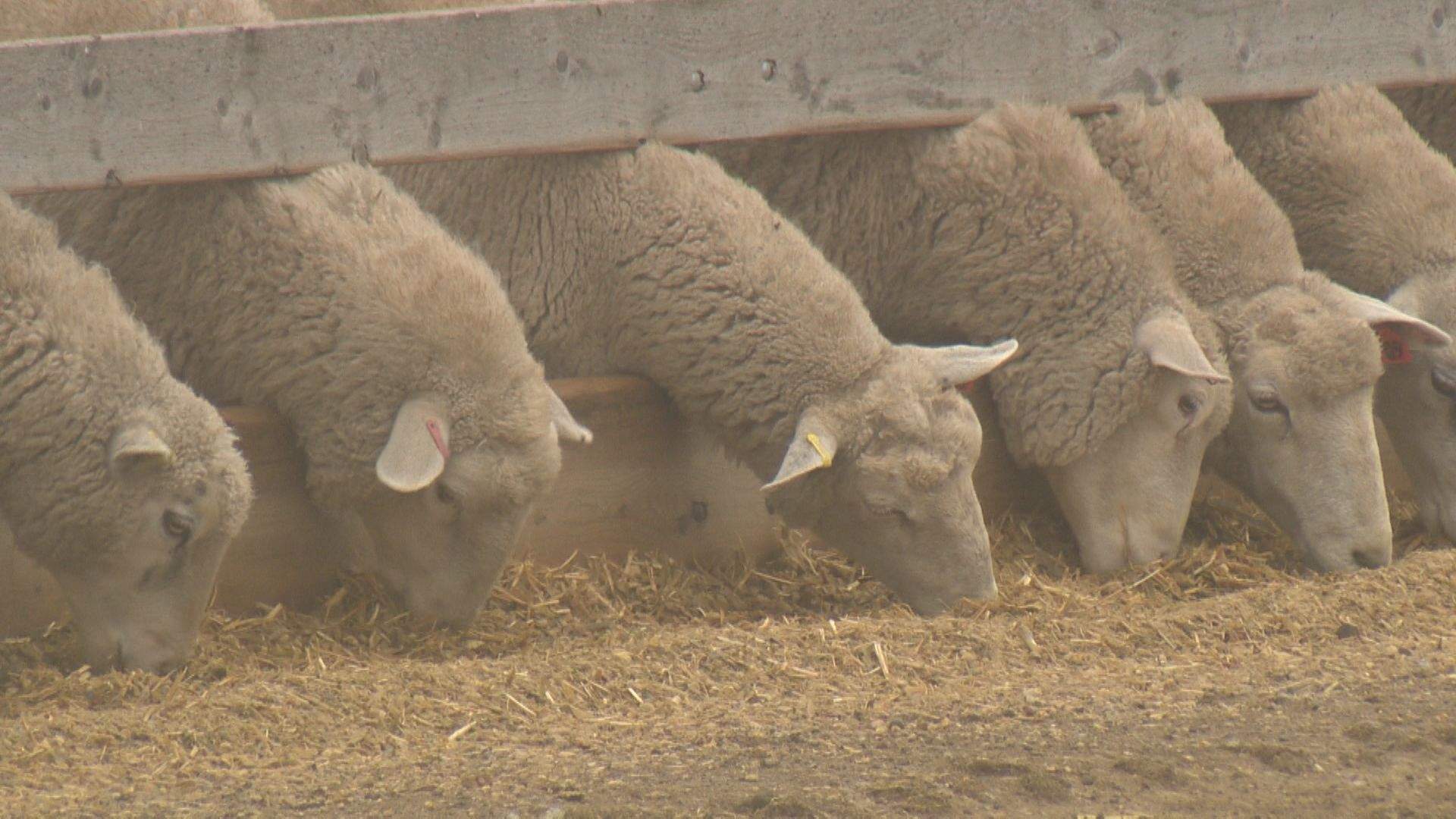
Saskatchewan's sheep farming industry, though a smaller portion of the agricultural sector, is experiencing growth to meet national demand. First-generation farmer Martin Catto, who immigrated to Canada from Scotland in 1999, is among the pioneers of this sector in Saskatchewan. Catto currently oversees Brimar Farms near Lipton, which produces between 12,000 and 14,000 sheep annually. The province boasts over 800 sheep farms, with roughly 8,500 located across Canada according to Agriculture and Agri-Food Canada.
Catto acknowledges that raising sheep is challenging, requiring significant management and manual labor, but emphasizes that when done correctly with attention to detail, it is highly rewarding. The industry in Saskatchewan is growing, with inventory increasing nearly four percent in a single year, as reported by Statistics Canada.
Despite the growth, sheep farming is still regarded as specialty farming and a smaller segment of agriculture overall. One of the factors contributing to its expansion is the lower investment cost compared to other sectors, making it attractive to younger producers. The lambs raised in Saskatchewan are processed in other provinces, primarily Alberta and Ontario, with Westfine Meats in Innisfail being the largest federally-inspected plant in Alberta.
Stéphane Beausolei, the manager of Westfine Meats, explained that they have a consistent relationship with producers year-round, ensuring a steady supply of animals that meet specific weight requirements. Once processed, the meat is ready to be sold in grocery stores.
Written by urgent.news from Global News's reporting — not their text. Machine-written — may contain errors; check the original before relying on it.