Windows 11's default settings are quietly wearing out your SSD and turning them off can extend its life
Trim background writes and hibernation snapshots to reclaim storage and quietly extend the usable life of your drive.
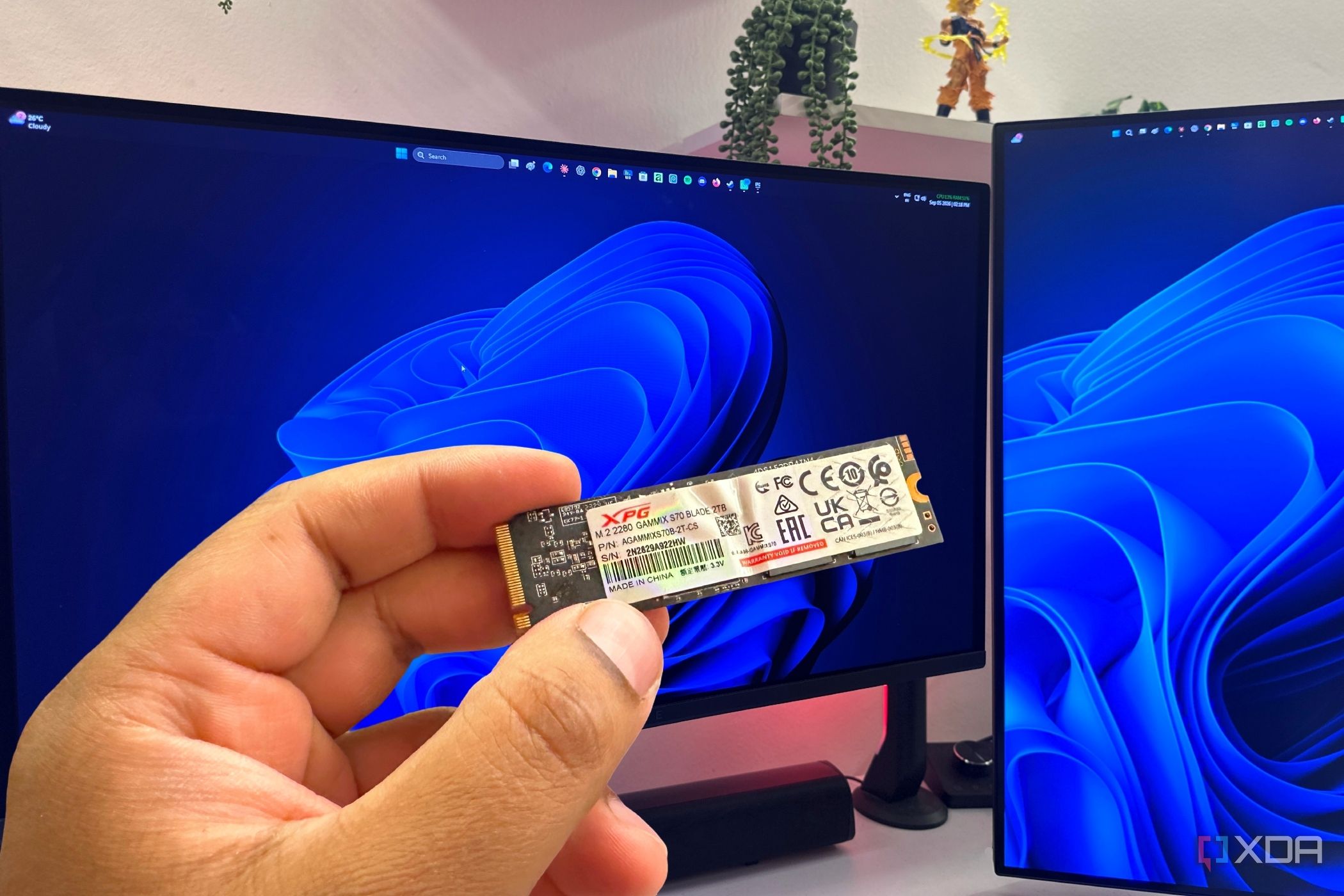
Windows 11's default settings could be detrimental to the lifespan of your SSD. Microsoft introduced hibernation mode in 1998, and it has since evolved to include Fast Startup in Windows 8 and 11. Hibernation creates a snapshot of RAM and saves it to the drive, allowing for instant restore upon login. This feature requires the hiberfil.sys file, which typically consumes around 40% of a computer's total RAM.
Fast Startup also uses this file but stores only the Windows Kernel and drivers. While Fast Startup only writes a couple of GBs when shutting down and rebooting, if you boot your PC daily, it can add up and shorten the SSD's lifespan.
To disable Fast Startup and hibernation, you can run the command "powercfg /hibernate off" in the terminal as an administrator. This will delete the hiberfil.sys file, freeing up storage space on your C drive. However, disabling these features also means losing hibernation and Fast Startup capabilities. Alternatively, you can manually shrink the size of the hiberfil.sys file, allowing Windows to save the Kernel and drivers for Fast Startup while disabling hibernation.
Another factor that can impact your SSD's health is the Windows Search index. Search indexing was built for HDDs, which were slower at retrieving data. With modern SSDs, the benefit of the Search index is minimal. Disabling indexing for specific folders, such as download folders or Steam/game libraries, can help preserve your SSD's lifespan.
To do this, go to Settings > Privacy & security > Search > Find my files, and switch to the Classic view. From there, click "Customize search locations" to exclude folders from indexing.
Lastly, Windows has TRIM, a system that tells the SSD which data blocks aren't needed, allowing the drive to clean them up in the background. You can enable TRIM manually by running the command "fsutil behavior query DisableDeleteNotify" in the Windows terminal. If the command returns a 0 value, TRIM is enabled, and you can run TRIM manually by right-clicking the SSD in the Windows search and selecting "Optimize."
Written by urgent.news from XDA Developers's reporting — not their text. Machine-written — may contain errors; check the original before relying on it.