The tech backlash is now in theaters
Though movies about disruptive tech founders are nothing new, 2026 has been unusually stacked with features that take a much more critical look at how Silicon Valley is reshaping our reality. Aaron Sorkin's The Social Reckoning frames Mark Zuckerberg as a robotic villain whose ambitions are destabilizing society. Nathan Fielder and Lance Oppenheim's You Can […]
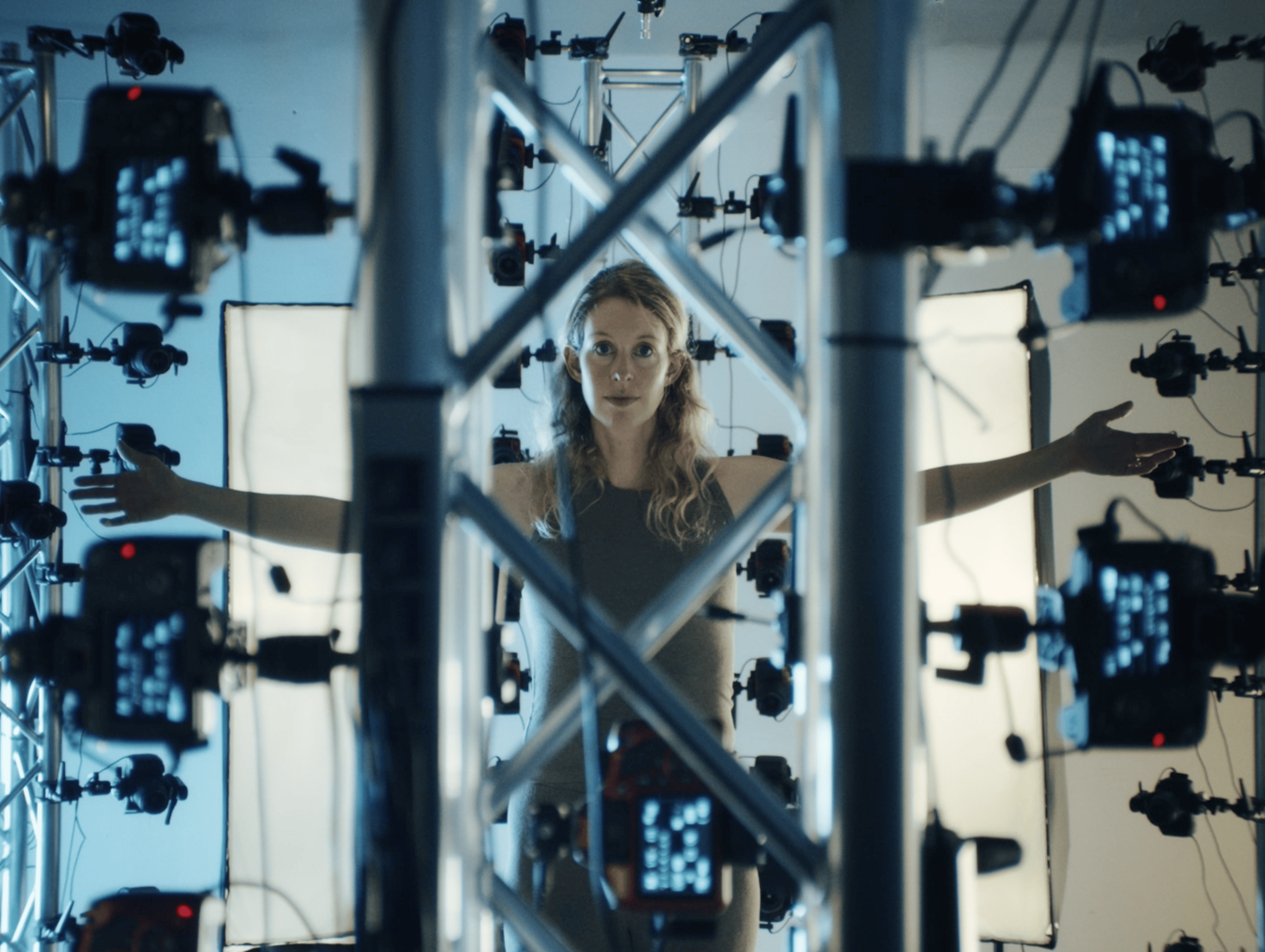
In recent months, a slew of films have emerged that criticize major tech companies and their founders. The likes of The Social Reckoning, You Can See Everything, Musk, and Artificial are among the titles making waves in theaters. While the genre of portraying disruptive tech innovators is not entirely new, 2026 has seen an unprecedented number of these stories addressing the impact of Silicon Valley on our lives.
Aaron Sorkin's The Social Reckoning zeroes in on Mark Zuckerberg, portraying him as a robotic antagonist whose ambitions are disrupting society. Similarly, Nathan Fielder and Lance Oppenheim's You Can See Everything offers a critical perspective on Theranos founder Elizabeth Holmes, who is currently serving a prison sentence. Alex Gibney's Musk documentary, which emerged after years of widespread adulation for Elon Musk, offers a stark contrast to the earlier appreciation of Musk as a visionary.
Even Luca Guadagnino's Artificial, a dark comedy with a character study of Sam Altman, is not immune to the tech backlash. Altman is depicted as a manipulative sociopath. Despite some films being fictionalized dramas, they all draw from critical reporting that has exposed their subjects in a less favorable light.
These filmmakers appear to be telling stories that resonate with audiences who no longer view Big Tech in a positive light. However, the presence of Hollywood's major studios in embracing the idea that the tech backlash is not slowing down is a notable shift. Especially when compared to classics like The Social Network, where Zuckerberg was presented as a complicated and misunderstood character, this wave of cinematic dramas is far less sympathetic to its central figures.
What sets You Can See Everything apart is its direct approach towards its subject, drawing from the extensive reporting on Holmes. The film's access to Holmes and her partner during her final days provides a unique perspective, challenging viewers to question whose narrative they are seeing. This direct approach makes You Can See Everything a compelling watch, even as it grapples with the complexities of its subject.
Written by urgent.news from The Verge's reporting — not their text. Machine-written — may contain errors; check the original before relying on it.