Why Workday’s CEO studied the Steve Jobs playbook for returning founders
Also: All the news and watercooler chat from Fortune.
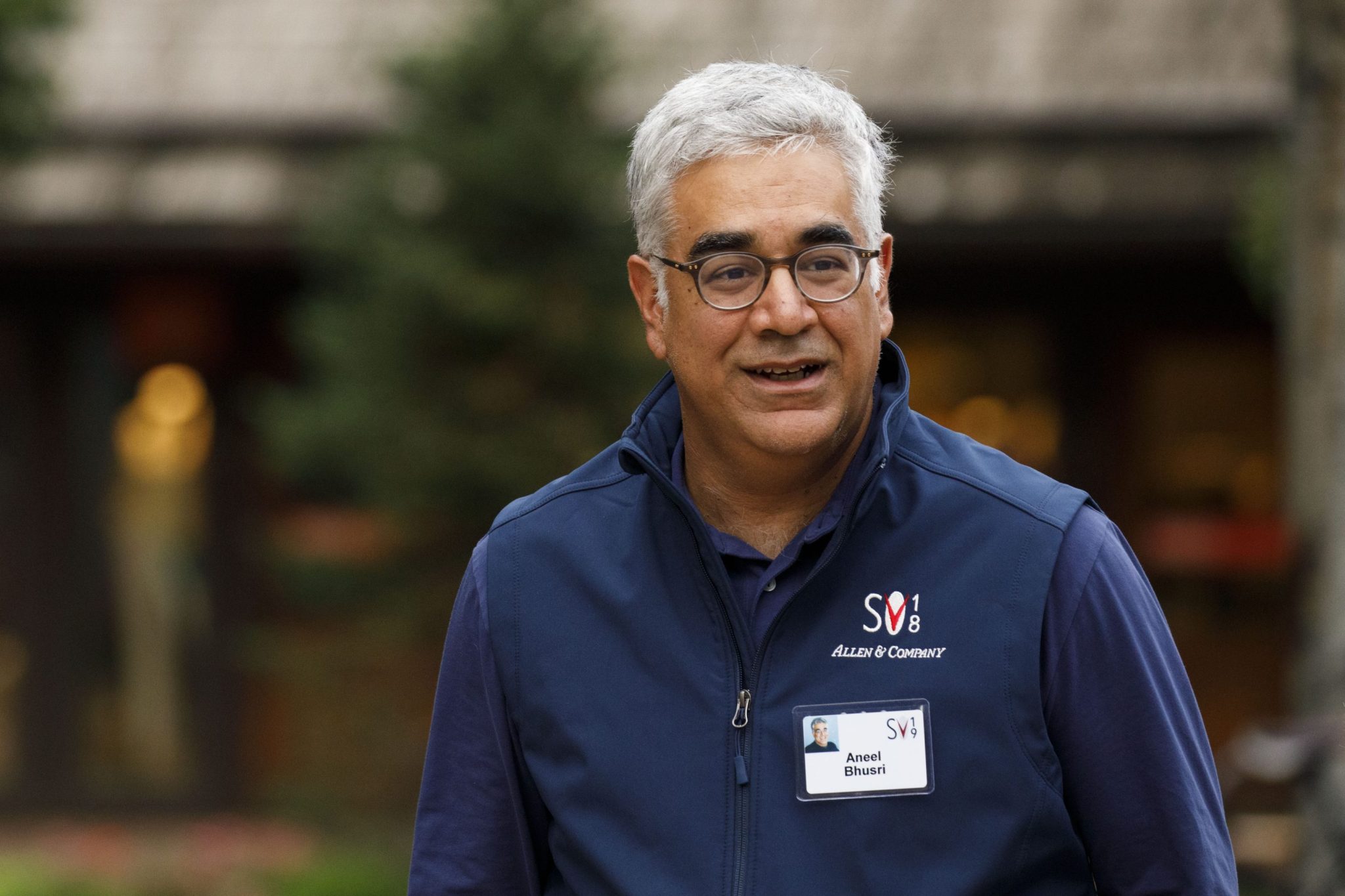
Aneel Bhusri, Workday's former CEO, returned to the role in early 2024 to steer the company through its "refounding" phase. At 39, Bhusri co-founded Workday in 2005 and helped it grow to generate $9.6 billion in revenue last fiscal year. Currently, Bhusri serves as executive chair of the company.
In the era of AI, Bhusri emphasized that innovation is the most crucial skill a CEO can possess. He believes that great companies cannot thrive on one generation of technology, instead needing to adapt to the test of time. Bhusri aims to make Workday a leader in the next generation of cloud technology, similar to how Steve Jobs revitalized Apple in the 1990s.
Bhusri studied Jobs' return playbook extensively before joining Workday. One key takeaway was Jobs' ambition to make Apple the biggest startup in the world. To achieve this, Jobs streamlined Apple's product line, eliminating less critical offerings. Bhusri took a similar approach at Workday, reducing the number of AI agents from 50 to 20 and eliminating projects not aligned with the company's vision.
Bhusri's primary focus is to ensure that Workday remains innovative with AI products while prioritizing responsible implementation. He recognizes the significant impact AI will have on jobs in the next five years, with AI already capable of human-level work in various departments. Bhusri aims to navigate this AI agent era with a startup mindset, maintaining clear accountability and driving innovative solutions.
Written by urgent.news from Fortune's reporting — not their text. Machine-written — may contain errors; check the original before relying on it.