Why trust in AI is hard to earn and easy to lose
Trust, it is often said, is earned in drops but lost in buckets. When it comes to realising the potential of artificial intelligence , trust is arguably as important as computing power or economic returns. Just how much ordinary people are willing to trust this technology is a critical question – and one that is difficult to answer quantifiably. Nevertheless, it is a pertinent question for the…
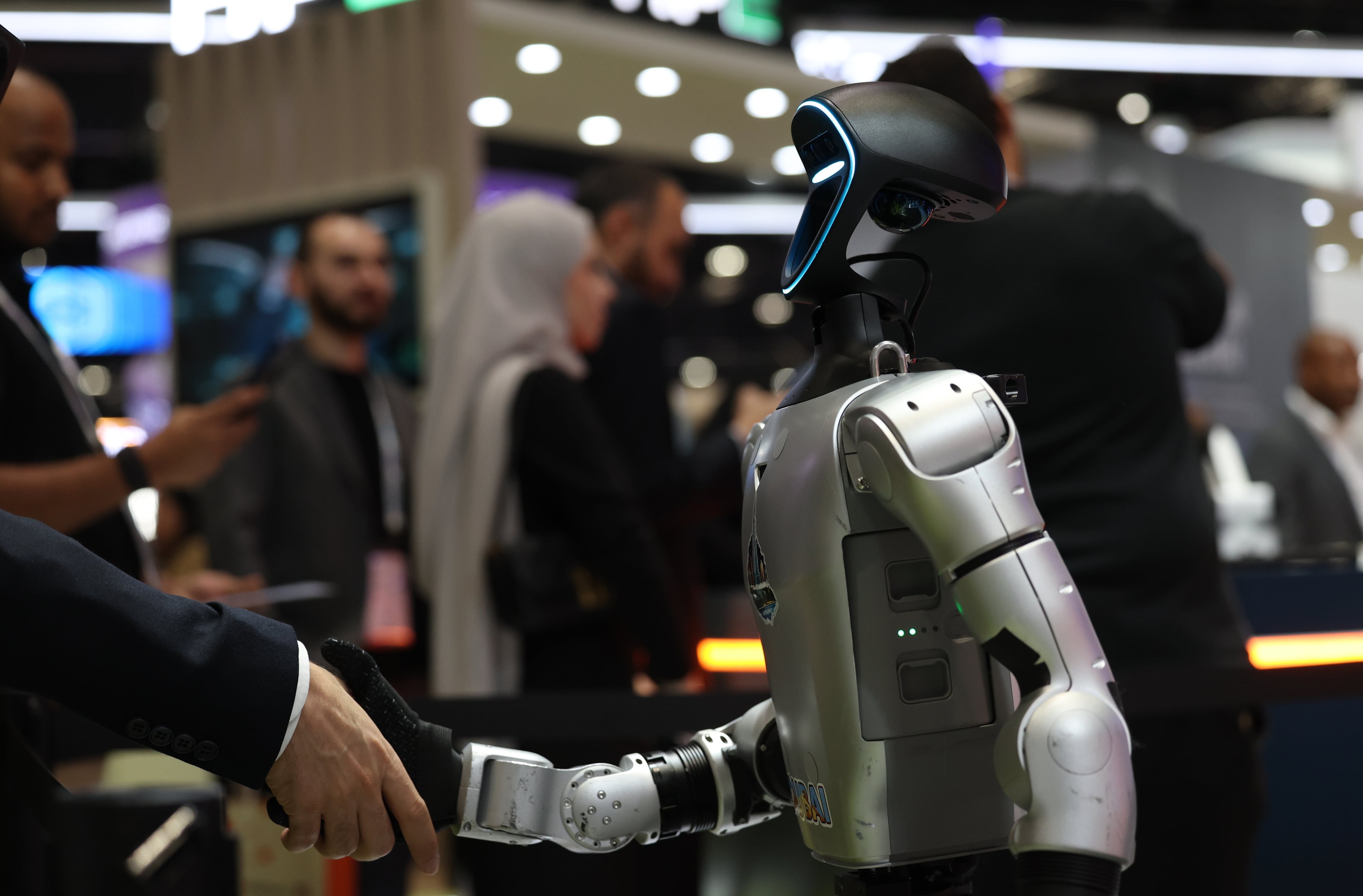
Trust, much like any valuable commodity, is built gradually but can be eroded rapidly. Artificial intelligence, with its immense potential, is no exception to this rule. The question of how much the general public will entrust this technology is a crucial one, particularly for a nation like the UAE, which has placed itself at the vanguard of AI advancement.
Dubai's recent pledge to award a $1 million prize for pioneering AI innovation, in partnership with the World Economic Forum, further underscores this commitment. However, the path to widespread AI adoption will require more than just technical prowess. Speaking at a recent global forum in Dubai, Omar Al Olama, the UAE's Minister of State for Artificial Intelligence, emphasized that AI must first earn trust before it can be entrusted with broader decision-making responsibilities.
This point is essential to the ongoing discourse surrounding the technology’s future trajectory. The potential economic benefits are significant; according to research presented at the World Economic Forum, AI could generate more than $1 trillion in value for the Middle East and North Africa by 2030. This is particularly pertinent for a region eager to diversify its economy.
Yet, these projections must be balanced against critical considerations, foremost among them being trust. An AI system that enhances productivity is beneficial, but one that individuals cannot rely on with their personal data, finances, or significant decisions is unlikely to succeed. Trust must be cultivated through transparent accountability and robust safeguards.
When AI systems err, there must be clear answers regarding responsibility and how to rectify mistakes. The importance of these safeguards escalates as AI systems are granted more authority. Those who can convincingly demonstrate their trustworthiness will be the ones who reap the rewards. The UAE's gathering of both seasoned and emerging leaders offers a unique platform to delve into these issues comprehensively, spanning across generations.
The decisions made today will have lasting implications for future generations, and they should have a voice in shaping the path of AI. The UAE's pioneering efforts in AI investment and experimentation have already positioned it as a key player in this burgeoning field. Moving forward necessitates a parallel commitment to establishing robust governance frameworks.
While AI has the potential to revolutionize the Middle East's economy and help prepare the region for a rapidly evolving global landscape, its true worth will hinge on its ability to enhance people's lives without compromising their trust in the technology. Ultimately, success will be achieved by those who can convincingly articulate why people should trust AI.
Written by urgent.news from The National UAE's reporting — not their text. Machine-written — may contain errors; check the original before relying on it.
This story
This is one outlet's version. Read the fullest account.
- Why trust in AI is hard to earn and easy to lose thenationalnews.com